
Treatment Overview
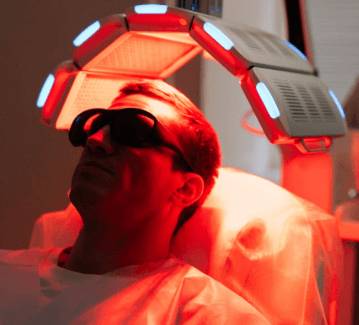
Photodynamic Therapy (PDT) is an advanced acne treatment widely performed in Korean dermatology clinics to target oily skin, active acne, and enlarged pores. It combines a photosensitizing solution (such as 5-aminolevulinic acid, ALA) with a specific light source (blue, red, or IPL) to selectively destroy overactive sebaceous glands and acne-causing bacteria.
Unlike surface-only treatments, PDT penetrates deep into the skin, making it particularly effective for severe acne, excess oil production, and stubborn breakouts. In Korea, PDT is often used for patients who want long-term sebum control and acne management without resorting to systemic medication like isotretinoin.
Purpose & Benefits
- Sebum Regulation: Reduces oil production by targeting sebaceous glands.
- Acne Reduction: Eliminates Cutibacterium acnes bacteria.
- Pore Refinement: Minimizes enlarged pores caused by chronic oiliness.
- Inflammation Control: Calms redness and swelling from active acne.
- Pigmentation Improvement: Reduces post-acne marks over time.
- Long-Term Results: Offers extended acne control compared to peels or facials.
Ideal Candidates
Photodynamic Therapy in Korea is recommended for:
- Patients with moderate to severe acne and oily skin.
- Individuals with enlarged pores and chronic blackheads/whiteheads.
- Those who want a non-systemic alternative to oral isotretinoin.
- Patients with recurring acne despite peels or laser treatments.
- Individuals seeking long-lasting sebum control.
Possible Risks & Complications
While PDT is effective, it can cause temporary side effects:
- Redness & Warmth: Lasts 1–3 days.
- Dryness & Peeling: Common as sebum glands adjust.
- Sun Sensitivity: Skin becomes photosensitive for up to 48 hours.
- Rare Risks: Post-inflammatory hyperpigmentation (PIH), minimized by Korean aftercare protocols.
Surgical Techniques Used
- Photosensitizer Application: ALA or MAL applied to acne-prone areas (20–60 minutes absorption).
- Light Activation: Blue, red, or IPL light activates the solution, destroying bacteria and shrinking sebaceous glands.
- Cooling & Soothing Therapy: Hydrating mask or LED red light often added post-session.
Protocol: Typically 3–5 sessions, spaced 3–4 weeks apart.
Recovery & Aftercare
Immediately: Mild warmth and redness; skin feels tighter.
1–2 Days: Redness persists, with possible dryness.
1 Week: Breakouts reduce; skin becomes less oily.
Aftercare Tips:
- Strictly avoid direct sunlight for 48 hours.
- Use SPF 50+ sunscreen daily.
- Apply gentle moisturizers and soothing creams.
- Avoid retinoids, scrubs, or strong actives for 5–7 days.
Results & Longevity
- After 1 Session: Oiliness decreases, active breakouts calm.
- After 2–3 Sessions: Significant reduction in acne activity and pore size.
- After 3–5 Sessions: Long-term sebum balance, fewer breakouts, and clearer skin.
Results can last 6–12 months, with maintenance sessions as needed.
Treatment Process in Korea
Consultation & Skin Analysis
Dermatologist assesses acne severity, oil activity, and scar risk.
Preparation
Gentle cleansing; sensitive areas (eyes, lips) protected.
PDT Session
- Step 1: ALA/MAL solution applied to acne-prone areas.
- Step 2: Waiting time (20–60 minutes) for solution absorption.
- Step 3: Blue/Red light or IPL applied for 10–20 minutes.
- Step 4: Cooling mask or LED therapy to soothe skin.
Duration: 60–90 minutes total.
Post-Treatment Care
Barrier cream and sunscreen provided; strict sun avoidance recommended for 48 hours.
Follow-Up
3–5 treatments recommended for optimal results.
Unique Korean Advantages
- Advanced Protocols: Korean dermatologists use lower, safer doses to minimize irritation.
- Combination Therapy: Often paired with scaling, carbon peel, or acne drips.
- Safe for Asian Skin: Special protocols to reduce PIH risk.
- Affordable Packages: Lower cost than Western dermatology clinics.
Cost Range (Estimated)
- Single PDT Session: USD 200 – 350
- PDT + LED/Soothing Mask: USD 250 – 400
- PDT + Carbon Peel/Extraction: USD 300 – 500
Example Korean Packages:
- Standard Program (3 sessions): USD 600 – 900
- Acne Care Program (3–5 sessions with LED/Peel): USD 900 – 1,500
- Premium Program (5 sessions with Aqua Peel, Exosome Boosters, Whitening Drips): USD 1,800 – 2,800
Popular Clinics in Seoul
- Oracle Dermatology: Specialized PDT programs for stubborn acne.
- Banobagi Dermatology: PDT combined with carbon peel for sebum-heavy skin.
- Renewme Skin Clinic: PDT with LED and hydrating aftercare.
- View Dermatology: Acne programs integrating PDT and laser toning.
- Chaum Anti-Aging Center: Premium PDT with regenerative boosters.


