
Treatment Overview
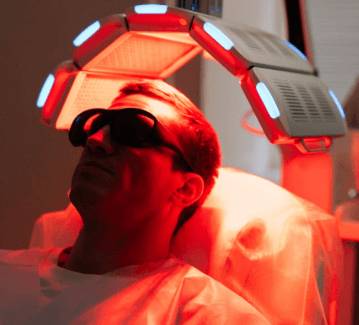
Photodynamic Therapy (PDT) is an advanced acne treatment widely used in Korean dermatology clinics to manage hormonal and cystic acne. It combines a photosensitizing agent (commonly 5-aminolevulinic acid, ALA) with a specific light source (blue or red LED, IPL, or laser) to selectively destroy overactive sebaceous glands and acne-causing bacteria.
Hormonal acne is often linked to excess androgen-driven oil production, making PDT highly effective since it directly targets the sebaceous glands while also reducing inflammation. In Korea, PDT is performed with customized light wavelengths, shorter downtime protocols, and regenerative add-ons (LED healing, growth factor serums) to maximize results while minimizing irritation.
Purpose & Benefits
- Sebum Regulation: Suppresses overactive sebaceous glands triggered by hormones.
- Bacterial Control: Eliminates Cutibacterium acnes, reducing breakouts.
- Inflammation Reduction: Calms painful cysts and nodules.
- Scar Prevention: Treats acne early, lowering long-term scar risk.
- Pigmentation Improvement: Helps fade post-inflammatory hyperpigmentation (PIH).
- Long-Term Results: Provides sustained improvement for acne-prone skin.
Ideal Candidates
Photodynamic Therapy in Korea is recommended for:
- Patients with moderate to severe hormonal acne unresponsive to topical/oral medication.
- Women with menstrual or PCOS-related acne flare-ups.
- Patients with oily, cystic, or nodular acne at high risk of scarring.
- Individuals seeking a non-systemic alternative to oral isotretinoin.
- Patients who want acne reduction + skin rejuvenation benefits.
Possible Risks & Complications
While PDT is safe, temporary effects may include:
- Redness & Peeling: Similar to a mild sunburn, lasting 2–5 days.
- Photosensitivity: Skin must be protected from sunlight for 24–48 hours.
- Dryness or Tightness: Common during healing, managed with moisturizers.
- Rare Risks: PIH (post-inflammatory hyperpigmentation), more common in darker skin tones but minimized with Korean protocols.
Surgical Techniques Used
PDT in Korea involves precise protocols adapted to hormonal acne:
- Application of Photosensitizer (ALA/Levulan): Applied to acne-prone areas for 30–60 minutes.
- Light Activation: Blue, red, IPL, or diode laser used to activate the solution, destroying sebaceous gland activity and bacteria.
- Customized Intensity: Korean dermatologists use gentler, layered PDT sessions to reduce downtime and PIH risks.
- Post-Treatment Regeneration: Cooling masks, LED healing light, and growth factor serums applied.
Protocol: Typically 3–5 sessions, spaced 3–4 weeks apart.
Recovery & Aftercare
Immediately: Skin feels warm, slightly red.
1–3 Days: Redness peaks, mild peeling begins.
1–2 Weeks: Oil production decreases, hormonal breakouts calm.
Aftercare Tips:
- Strict sun protection for at least 48 hours.
- Apply soothing moisturizers and barrier creams.
- Avoid retinoids, acids, or scrubs for 5–7 days.
- Maintain gentle cleansing and hydration.
Results & Longevity
- After 1 Session: Oiliness decreases, breakouts begin to calm.
- After 2–3 Sessions: Noticeable reduction in hormonal acne flare-ups.
- After 4–5 Sessions: Long-term acne remission, reduced scarring, and improved skin tone.
Results may last 6–12 months, with maintenance treatments recommended once or twice a year.
Treatment Process in Korea
Consultation & Skin Analysis
Dermatologist evaluates hormonal acne severity, skin type, and sensitivity.
Preparation
Gentle cleansing; photosensitizer applied and left to absorb.
PDT Session
- Step 1: ALA solution applied to acne-prone areas.
- Step 2: Solution activated with LED, IPL, or laser light.
- Step 3: Cooling therapy and hydrating serums applied post-session.
Duration: 60–90 minutes.
Why Korea is a Top Destination
- Advanced PDT Devices: Korean clinics use the latest light systems for precise sebaceous gland targeting.
- Gentle Protocols for Asian Skin: Lower downtime, minimal PIH risk.
- Combination Care: PDT often paired with LED, acne drips, or scar-prevention treatments.
- Focus on Scar-Free Healing: Clinics prioritize early treatment to prevent permanent damage.
- Cost-Effective Care: High-quality PDT available at lower prices than in Western countries.
Cost Range (Estimated)
- Single PDT Session: USD 150 – 250
- PDT + LED/Soothing Mask: USD 180 – 300
- PDT + Acne Care (Peel/Drip/Serum Infusion): USD 250 – 400
Example Korean Packages:
- Standard Program (3 sessions): USD 450 – 700
- Acne Care Program (3–5 sessions with LED/Peel/Drip): USD 700 – 1,200
- Premium Program (5 sessions with Exosome/Rejuran boosters): USD 1,500 – 2,200
Popular Clinics in Seoul
- Oracle Dermatology: PDT programs for severe acne with scar prevention.
- Banobagi Dermatology: Hormonal acne care with customized PDT + LED.
- Renewme Skin Clinic: PDT combined with acne peels and acne drips.
- View Dermatology: Multi-step acne management with PDT and scar care.
- Chaum Anti-Aging Center: Premium PDT packages with regenerative boosters.


