
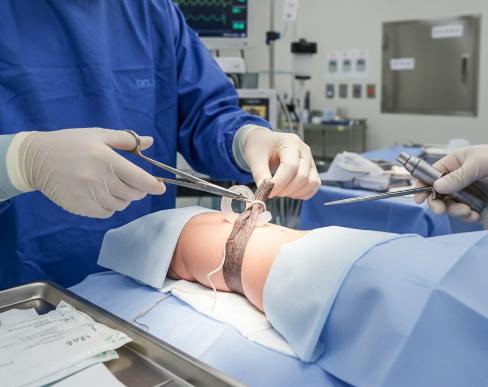
Treatment Overview
Plastibell Circumcision is a minimally invasive surgical procedure commonly used for infants and young children. It involves using a small plastic ring (Plastibell) to remove the foreskin safely and effectively. In Korea, Plastibell circumcision is offered in pediatric clinics and hospitals with experienced urologists, ensuring a quick, safe procedure with minimal discomfort and low risk of complications.
Purpose & Benefits
The primary purposes and benefits of Plastibell circumcision include:
- Medical Treatment: Addresses phimosis, recurrent infections, or inflammation of the foreskin.
- Minimally Invasive: Avoids cutting and suturing, reducing pain and bleeding.
- Faster Healing: Typically heals within 7–10 days as the ring naturally falls off.
- Reduced Risk of Infection: Sterile technique and minimal trauma lower infection rates.
- Cosmetic Results: Ensures neat foreskin removal with minimal scarring.
- Convenience: Simple procedure suitable for infants and young children.
Ideal Candidates
Plastibell circumcision is suitable for:
- Infants and young children with phimosis or tight foreskin.
- Boys with recurrent balanitis or urinary tract infections.
- Children whose parents prefer a minimally invasive and safe circumcision method.
- Families seeking cosmetic, hygienic, or cultural circumcision for their child.
Possible Risks & Complications
While generally safe, potential risks of Plastibell circumcision include:
- Minor bleeding around the ring.
- Infection if proper hygiene is not maintained.
- Discomfort or mild swelling at the surgical site.
- Rare ring slippage or delayed ring separation.
- Slight risk of adhesion formation or uneven cosmetic result.
Techniques & Technology Used
Korean clinics performing Plastibell circumcision use pediatric-specific techniques and tools:
- Plastibell ring device: Applied over the glans and under the foreskin, which gradually falls off within 7–10 days.
- Local or topical anesthesia: Ensures minimal discomfort during the procedure.
- Sterile surgical environment: Reduces the risk of infection and ensures safety.
- Precise sizing and placement: Ensures effective foreskin removal and cosmetic appearance.
- Minimal handling: Prevents trauma to the delicate tissue of infants and children.
Treatment Process in Korea
The Plastibell circumcision process typically includes:
- Consultation & Assessment: Pediatric urologist evaluates the child’s foreskin, overall health, and suitability for Plastibell circumcision.
- Preoperative Preparation: Instructions for hygiene, feeding, and anesthesia considerations.
- Surgical Procedure: Usually performed under local or topical anesthesia; duration is approximately 10–20 minutes.
- Postoperative Monitoring: Short observation period; most children go home the same day.
- Follow-up Visits: Ensure the Plastibell ring falls off naturally and the surgical site heals properly.
Recovery & After-Care
Recovery after Plastibell circumcision is typically straightforward:
- Ring Separation: The Plastibell ring naturally falls off in 7–10 days.
- Healing: Mild swelling or redness may occur but resolves quickly.
- Hygiene: Clean the area gently with recommended solutions; avoid soaking until fully healed.
- Pain Management: Acetaminophen or recommended pediatric pain medications if needed.
- Follow-up Care: Checkups to monitor healing and ensure no complications occur.
Results & Longevity
Plastibell circumcision provides effective and permanent outcomes:
- Symptom Relief: Resolves phimosis and reduces recurrent infections.
- Functional Improvement: Facilitates better hygiene and comfort.
- Cosmetic Results: Clean foreskin removal with minimal scarring.
- Durability: Permanent circumcision with lifelong benefits.
Why Korea Is a Top Destination
Korea is a preferred destination for Plastibell circumcision due to:
- Experienced Pediatric Urologists: Skilled in safe and effective Plastibell procedures.
- Advanced Clinics: Equipped for minimally invasive pediatric surgeries.
- High Safety Standards: Sterile environment and meticulous surgical care.
- Affordable Cost: Competitive pricing for international families.
- Medical Tourism Support: English-speaking coordinators, travel assistance, and personalized pediatric care.
Cost Range
The cost of Plastibell circumcision in Korea typically ranges from $400 to $1,200, depending on the child’s age, clinic, anesthesia, and follow-up services.
Popular Clinics in Korea
Top hospitals and clinics offering Plastibell circumcision for international patients include:
- Samsung Medical Center, Seoul – Pediatric urology specialists with high safety standards.
- Asan Medical Center, Seoul – Experienced surgeons performing minimally invasive circumcision.
- Severance Hospital, Seoul – Offers Plastibell and other circumcision techniques for children.
- Seoul St. Mary’s Hospital – Comprehensive pediatric care and postoperative follow-up.
- CHA Bundang Medical Center – Renowned for international patient services and pediatric expertise.


