
Treatment Overview
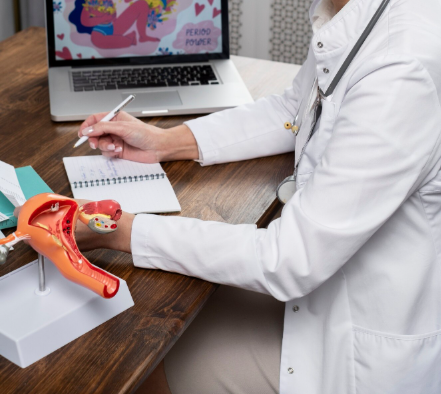
Polycystic Ovary Syndrome Management in Korea focuses on diagnosing, treating, and managing one of the most common hormonal disorders affecting women of reproductive age. PCOS is characterized by irregular menstrual cycles, ovarian cysts, excess androgen (male hormone) levels, acne, hair loss, and difficulties with fertility. The condition can also increase the risk of insulin resistance, obesity, type 2 diabetes, and cardiovascular disease.
Korea has become a global hub for advanced women’s health treatments, combining cutting-edge diagnostic technologies with personalized hormonal and lifestyle-based management programs. Korean gynecologists use a multidisciplinary approach — integrating endocrinology, reproductive medicine, and nutrition science — to deliver effective, evidence-based care for PCOS patients.
With a focus on precision medicine and holistic health, PCOS management in Korea helps women achieve hormonal balance, regulate menstrual cycles, and improve fertility outcomes.
Purpose & Benefits
The main goal of PCOS management is to restore hormonal balance, regulate menstrual function, and reduce associated symptoms while improving overall health and fertility.
Key benefits include:
- Regularization of menstrual cycles.
- Reduction in acne, excess hair growth, and scalp hair thinning.
- Improved insulin sensitivity and weight control.
- Enhanced ovulation and improved fertility potential.
- Prevention of long-term complications like diabetes and heart disease.
- Better emotional well-being and stress management.
By addressing both the root cause and external symptoms, Korean specialists provide individualized treatment plans that lead to lasting improvement and hormonal stability.
Ideal Candidates
PCOS management in Korea is ideal for women who experience:
- Irregular or missed menstrual periods.
- Difficulty conceiving or signs of anovulation.
- Excess facial or body hair (hirsutism).
- Weight gain or difficulty losing weight.
- Acne or oily skin caused by hormonal imbalance.
- Hair thinning on the scalp.
- Elevated blood sugar or insulin resistance.
Young women, women planning pregnancy, and those approaching perimenopause can all benefit from customized PCOS management programs available in Korea’s top women’s hospitals.
Possible Risks & Complications
While PCOS itself carries long-term risks, treatment programs in Korea are designed to minimize complications. However, potential risks may include:
- Side effects from hormonal therapy, such as mild nausea or mood changes.
- Reactions to fertility medications in advanced treatment plans.
- Weight fluctuation during metabolic regulation.
- Emotional distress if lifestyle changes are not followed consistently.
Korean clinics provide ongoing follow-up, counseling, and nutrition guidance to minimize risks and ensure safe, steady improvement.
Techniques & Treatment Methods Used
Korea’s PCOS management combines advanced medical technology with personalized, holistic care.
1. Hormonal Regulation Therapy
Birth control pills, progesterone therapy, or anti-androgen medications are commonly prescribed to regulate menstrual cycles and control hormonal imbalance.
2. Insulin Resistance Management
Medications like metformin are used to improve insulin sensitivity and metabolic balance, reducing the risk of diabetes and weight gain.
3. Ovulation Induction
For women seeking pregnancy, ovulation-stimulating drugs such as clomiphene citrate or letrozole are used under precise monitoring.
4. Nutritional & Lifestyle Therapy
Korean clinics emphasize low-glycemic diets, exercise programs, and stress reduction. Many hospitals have in-house nutritionists and lifestyle coaches who design personalized wellness plans.
5. Minimally Invasive Procedures
In rare cases of treatment-resistant PCOS, laparoscopic ovarian drilling (LOD) may be performed using minimally invasive surgical techniques to restore ovulation.
6. Integrative Medicine Support
Some Korean hospitals combine Western and traditional Korean medicine, offering acupuncture and herbal medicine to balance hormones and relieve symptoms naturally.
This integrative, technology-driven approach makes PCOS management in Korea both comprehensive and patient-friendly.
Recovery & Aftercare
PCOS management involves ongoing lifestyle and hormonal support rather than immediate recovery from surgery. Patients are advised to:
- Maintain a balanced diet rich in fiber, healthy fats, and lean proteins.
- Engage in regular physical activity to enhance insulin sensitivity.
- Follow medication schedules and attend periodic hormone checkups.
- Manage stress through yoga, meditation, or therapy.
Korean hospitals emphasize continuous care with regular follow-ups and digital health monitoring systems, helping patients stay on track with their management plan.
Results & Longevity
With consistent treatment and lifestyle modification, women can expect:
- Regulated menstrual cycles within 2–6 months.
- Noticeable reduction in acne, hair growth, and mood swings.
- Weight loss and improved metabolism.
- Enhanced fertility and ovulation function.
- Long-term reduction in PCOS-related health risks.
Many patients achieve sustainable results, especially with early diagnosis and comprehensive care.
Treatment Process in Korea
The PCOS management process in Korea is structured and personalized:
- Initial Consultation & Diagnostic Evaluation – including hormone blood panels, pelvic ultrasound, and glucose tolerance tests.
- Personalized Treatment Planning – tailored to age, fertility goals, and symptom severity.
- Hormonal & Lifestyle Management – combining medical and holistic care.
- Monitoring & Adjustment – regular check-ups to track progress and fine-tune therapy.
Korean women’s health centers are globally recognized for their high diagnostic precision, multidisciplinary coordination, and international patient care services.
Cost Range
PCOS management in Korea is affordable compared to Western nations.
- Initial consultation & diagnosis: ₩150,000 – ₩300,000 KRW ($110–$220 USD)
- Hormone & metabolic testing: ₩200,000 – ₩500,000 KRW ($150–$370 USD)
- Monthly treatment program: ₩300,000 – ₩800,000 KRW ($220–$590 USD)
- Comprehensive PCOS management package: ₩900,000 – ₩1,800,000 KRW ($660–$1,330 USD)
Many clinics offer combination packages that include diet counseling, ultrasound scans, and hormone therapy sessions.
Popular Clinics in Korea
Top medical institutions for PCOS management include:
- Asan Medical Center (Seoul)
- Samsung Medical Center
- Ewha Womans University Mokdong Hospital
- CHA Gangnam Fertility & Women’s Health Clinic
- Severance Hospital (Yonsei University Health System)
- MizMedi Women’s Hospital
- Blooming Women’s Clinic, Gangnam


