
Treatment Overview
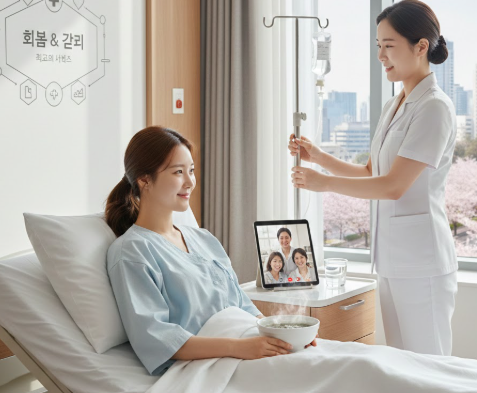
Post-surgery recovery and care in Korea focus on ensuring optimal healing, minimizing complications, and supporting the best possible outcomes after procedures such as vasectomy reversal, microsurgery, or other urological interventions. Korean medical facilities provide structured recovery programs, combining advanced medical technology, professional follow-up care, and patient-centered support.
The recovery process includes physical healing, monitoring of reproductive health, and guidance on resuming daily activities. Patients benefit from experienced medical teams who tailor post-surgery plans to individual needs, including medical tourists requiring remote follow-up.
Purpose & Benefits
The primary purpose of post-surgery recovery and care is to promote healing and ensure long-term success of the procedure. Key benefits include:
- Faster and safer recovery with professional guidance.
- Early detection and management of complications such as infection or swelling.
- Monitoring of reproductive health, including sperm count and fertility outcomes.
- Clear instructions on activity restrictions, medications, and lifestyle adjustments.
- Emotional and psychological support during the healing process.
Comprehensive recovery care helps patients achieve the best functional and fertility outcomes while minimizing discomfort and stress.
Ideal Candidates
Ideal candidates for structured post-surgery recovery and care in Korea include:
- Men undergoing vasectomy reversal or other microsurgical procedures.
- Patients requiring follow-up for fertility monitoring or reproductive health.
- Individuals seeking guidance on safe return to daily activities and work.
- International patients who need coordinated care and remote monitoring options.
Even patients with complex surgical histories or prior complications benefit from Korea’s systematic recovery programs.
Possible Risks & Complications
While post-surgery care aims to minimize risks, potential complications can include:
- Infection at the surgical site.
- Hematoma or prolonged swelling.
- Delayed wound healing or scarring.
- Pain or discomfort during recovery.
- Temporary reduction in fertility or sperm count following reproductive surgery.
Korean clinics provide preventive measures, regular monitoring, and timely interventions to manage complications efficiently.
Techniques & Technology Used
Post-surgery recovery in Korea utilizes modern techniques and technology to ensure optimal outcomes:
- Advanced Wound Care: Sterile dressings, anti-inflammatory medications, and precise monitoring.
- Semen Analysis & Fertility Monitoring: Tracking sperm count, motility, and morphology.
- Ultrasound Imaging: Evaluates the surgical site and detects complications early.
- Telemedicine & Remote Monitoring: Allows international patients to follow up with specialists from home.
These technologies help doctors track recovery progress, detect issues early, and provide guidance for a smooth healing process.
Treatment Process in Korea
Post-surgery recovery and care in Korea typically involve:
- Immediate Postoperative Care: Monitoring in the hospital for the first few hours or overnight after surgery.
- Discharge Instructions: Guidance on wound care, medications, and activity restrictions.
- Follow-Up Appointments: Regular visits for physical assessment, semen analysis, and fertility monitoring.
- Lifestyle and Health Counseling: Advice on nutrition, exercise, and habits to support healing.
- Long-Term Monitoring: Ensuring sustained reproductive health and optimal fertility outcomes.
Korean clinics offer structured timelines and personalized recovery plans to suit each patient’s needs.
Recovery & After-Care
Recovery after surgery in Korea involves several key steps:
- Rest and limit physical activity for a specified period.
- Wear supportive garments to minimize swelling and discomfort.
- Take prescribed medications for pain management and infection prevention.
- Follow-up with semen analysis or fertility assessments if applicable.
- Gradually resume sexual activity and exercise according to the doctor’s guidance.
International patients receive detailed instructions and remote support for continuity of care.
Results & Longevity
With proper post-surgery recovery and care, patients in Korea typically experience:
- Faster wound healing and reduced risk of complications.
- Successful restoration of reproductive health and fertility after procedures like vasectomy reversal.
- Long-term maintenance of surgical results and overall well-being.
Consistent monitoring and adherence to medical advice are essential to ensure lasting outcomes.
Why Korea Is a Top Destination
Korea is a leading destination for post-surgery recovery and care due to:
- Highly trained medical teams with experience in microsurgery and fertility restoration.
- State-of-the-art technology for wound care, semen analysis, and imaging.
- Comprehensive support for international patients, including travel, accommodation, and telemedicine.
- Structured recovery programs tailored to individual needs.
- High standards of hygiene, patient safety, and follow-up protocols.
Patients benefit from expert care, modern facilities, and personalized recovery plans that ensure the best possible outcomes.
Cost Range
The cost of post-surgery recovery and care in Korea varies depending on the procedure and level of follow-up:
- Standard postoperative care: $200–$500
- Advanced recovery packages with fertility monitoring: $500–$1,500
- Remote monitoring and telemedicine support: $100–$300
Many clinics offer inclusive packages covering surgery, initial recovery, and follow-up care for international patients.
Popular Clinics in Korea
Top clinics for post-surgery recovery and care in Korea include:
- Seoul Urology & Microsurgery Clinic – Offers comprehensive follow-up programs and fertility monitoring.
- JK International Medical Center – Provides full-service recovery packages for medical tourists.
- Samsung Medical Center Urology Department – Combines advanced technology with professional post-surgical care.
- Asan Medical Center – Renowned for structured recovery programs and patient-focused services.
These clinics are recognized for professionalism, advanced facilities, and comprehensive post-operative support.


