
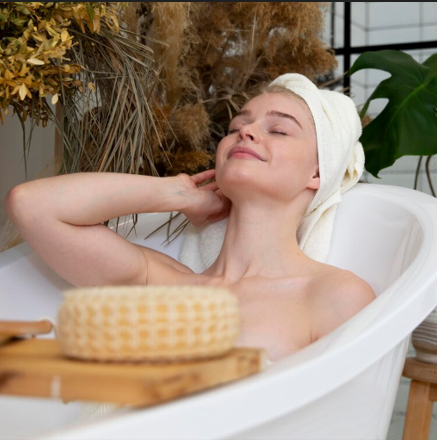
Treatment Overview
Postpartum Herbal Bath Therapy is a traditional Korean healing practice designed to promote recovery, relaxation, and purification after childbirth. This therapy involves bathing in warm water infused with medicinal herbs known for their restorative and detoxifying properties. The treatment helps new mothers recover from the physical strain of pregnancy and delivery by enhancing blood circulation, soothing sore muscles, and restoring warmth to the body.
In Korean postpartum care culture, known as Sanhujori, keeping the body warm and balanced is essential for healing. The herbal bath combines ancient Korean medical wisdom with modern hygiene and comfort, offering a deeply rejuvenating experience for mothers during their postpartum recovery.
Purpose & Benefits
The primary purpose of the Postpartum Herbal Bath is to accelerate physical healing and provide deep relaxation through herbal therapy and heat. Major benefits include:
- Uterine Recovery: Aids in contraction and cleansing of the uterus by improving blood flow to the pelvic region.
- Pain and Fatigue Relief: Eases back, hip, and lower abdominal discomfort caused by childbirth.
- Improved Circulation: Enhances blood and lymphatic flow, reducing swelling and promoting faster recovery.
- Detoxification: Helps eliminate waste products and toxins accumulated during pregnancy.
- Hormonal Balance: Supports natural hormone regulation and reduces mood swings.
- Skin and Muscle Rejuvenation: Tightens skin and improves elasticity while soothing sore muscles.
- Relaxation and Mental Calm: The warmth and aroma of herbs reduce stress and promote emotional well-being.
Ideal Candidates
This therapy is recommended for:
- Mothers in the postpartum phase seeking gentle, natural healing.
- Women experiencing postpartum fatigue, pain, or poor circulation.
- Those with mild swelling or stiffness in the lower body.
- Mothers wishing to restore warmth and balance after childbirth.
- Women looking for a holistic recovery experience combining physical and emotional relaxation.
The therapy is generally safe to begin four to six weeks after delivery, once the mother has received medical clearance.
Possible Risks & Complications
Postpartum Herbal Bath Therapy is safe when properly supervised but requires attention to hygiene and body condition. Possible risks include:
- Skin sensitivity or mild irritation from certain herbs in individuals with allergies.
- Dizziness or dehydration if the water temperature is too hot or sessions are prolonged.
- Infection risk if the bath environment is not properly sanitized.
- Worsening of open wounds or cesarean incisions if therapy is started too early.
A consultation with a postpartum care specialist ensures the treatment is appropriate and safe for each individual.
Techniques Used
Korean postpartum care centers combine traditional herbal formulas with modern hydrotherapy equipment for maximum comfort and safety. Common techniques include:
- Customized Herbal Blends: Carefully selected herbs such as mugwort, ginseng, angelica root, and ginger are used for their circulatory and healing properties.
- Warm Water Immersion: The mother soaks in a herbal-infused bath, allowing the warmth to penetrate muscles and promote relaxation.
- Sitz Bath for Pelvic Healing: Focused treatment for the pelvic region to relieve soreness and promote uterine recovery.
- Full-Body Herbal Bath: A more comprehensive approach to detoxify and rejuvenate the entire body.
- Aromatherapy and Steam Integration: The natural fragrance of herbs enhances relaxation and calms the mind.
- Temperature Control: Bath temperature is carefully regulated to ensure safety and comfort throughout the session.
Korea’s postpartum centers are renowned for using high-quality herbs and maintaining medical-grade hygiene standards while preserving traditional Hanbang therapeutic methods.
Recovery & Aftercare
After each herbal bath session, proper aftercare helps maximize its restorative effects. Recommendations include:
- Resting for 30–60 minutes after treatment to maintain warmth and relaxation.
- Drinking warm water or herbal tea to replenish hydration and aid detoxification.
- Avoiding cold air, drafts, or cold beverages immediately after the bath.
- Continuing a balanced diet rich in nutrients to support healing.
- Combining herbal baths with other postpartum therapies like moxibustion or massage for comprehensive recovery.
Most postpartum care programs include two to three herbal bath sessions per week for several weeks, depending on recovery progress.
Results & Longevity
With consistent sessions, the Postpartum Herbal Bath provides both immediate and long-term benefits. Common results include:
- Noticeable reduction in body aches and stiffness.
- Improved blood flow and faster healing of reproductive organs.
- Reduction in swelling and fatigue.
- Enhanced skin tone and elasticity.
- Restored warmth, energy, and emotional balance.
Regular therapy not only aids postpartum recovery but also helps prevent long-term issues such as cold sensitivity, poor circulation, or chronic fatigue.
Treatment Process in Korea
- Initial Consultation: A postpartum care specialist assesses physical condition and determines appropriate herbal combinations.
- Herbal Preparation: A custom blend of high-quality herbs is boiled to extract active ingredients for the bath.
- Warm Herbal Bath Session: The mother relaxes in a temperature-controlled herbal bath for approximately 20–40 minutes.
- Sitz or Focused Treatment: Depending on individual needs, the session may focus on the pelvic or full-body area.
- Post-Bath Rest: After the bath, the body is wrapped in warm towels or blankets to retain heat.
- Lifestyle Guidance: Recommendations for hydration, rest, and nutrition are provided to enhance results.
Korea’s postpartum centers deliver this treatment in calm, spa-like environments designed to provide both medical-grade care and emotional comfort.
Cost Range
The cost of Postpartum Herbal Bath Therapy in Korea varies based on clinic type, location, and package options:
- Individual sessions: approximately ₩80,000 to ₩200,000 (USD $60–$150).
- Postpartum care packages: around ₩2,000,000 to ₩4,000,000 (USD $1,500–$3,000) for multi-week programs including herbal baths and complementary therapies.
- Premium wellness packages: offering private rooms, massages, and specialized herbal treatments can cost ₩5,000,000 or more (USD $3,700+).
These packages typically include consultations, herbal preparation, and complete aftercare services.
Popular Considerations
- Begin therapy only after medical approval to ensure wounds and incisions are fully healed.
- Choose certified postpartum centers with licensed practitioners for safety and quality.
- Avoid excessive heat or overly long sessions to prevent dehydration.
- Inform therapists of any allergies or sensitivities to herbal ingredients.
- Combine herbal bath therapy with other postpartum treatments for holistic healing.
- International mothers can find postpartum centers in Korea offering multilingual support and customized care programs.


