
Treatment Overview
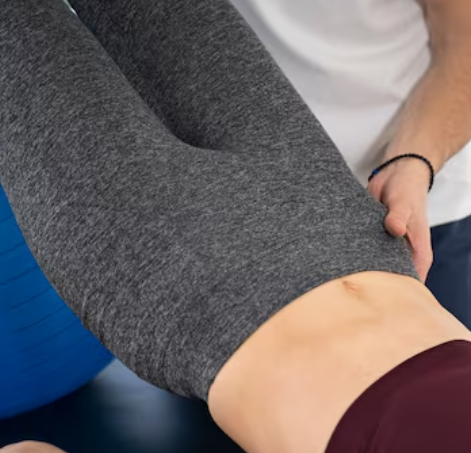
Postural & Pelvic Correction Therapy in Korea, framed within women’s health/OBGYN and pelvic floor & urogynecology, is a targeted rehabilitative program designed to re-align and stabilise the pelvis, spine and core musculature so that pelvic floor function is optimised. This therapy typically pairs manual alignment techniques (such as joint mobilisation, posture correction, myofascial release) with pelvic floor physical therapy, core stability training and movement re-education. The aim is to restore proper pelvic biomechanics, correct imbalances, improve posture and support the pelvic floor muscles in daily and functional movements.
Purpose & Benefits
The main purpose of this therapy is to correct mechanical misalignments and imbalances in the pelvis/hip/spine region that place undue strain on the pelvic floor and core. Benefits include better pelvic-floor muscle activation (due to a more stable “platform”), improved posture and gait, reduction in pelvic/back/hip discomfort, fewer episodes of leakage or pelvic heaviness with movement, improved lifting/carrying mechanics (important in motherhood), quicker rehabilitation after childbirth or pelvic surgery, and prevention of chronic musculoskeletal or pelvic floor dysfunction.
Ideal Candidates
Ideal candidates include women who have recently given birth or undergone pelvic/gynaecological surgery, those experiencing pelvic stability issues, hip or pelvic girdle pain linked to posture, women with pelvic floor symptoms during movement (such as leakage upon lifting or sudden movement), those with core/pelvic instability, and any woman whose posture or pelvic alignment undermines her pelvic-floor rehabilitation. Also, women who have already done pelvic-floor muscle training but still struggle with functional movement and alignment are good candidates.
Possible Risks & Complications
Because the therapy is non-surgical and manual, risks are low; but some care should be taken. Potential issues include temporary muscle soreness or fatigue from activation of unaccustomed stabilising muscles, mild discomfort from alignment adjustments, or transient light-headedness if large alignment changes occur. If underlying structural issues (e.g., unhealed surgical repair, severe ligament laxity) are present and unaddressed, correction attempts may lead to discomfort or delay correct care. The therapy should be delivered by qualified pelvic-floor and musculoskeletal specialists.
Surgical Techniques Used
While Postural & Pelvic Correction Therapy itself is non-surgical, it is often part of a broader care pathway that includes surgical interventions when necessary. In settings where pelvic floor or organ support surgery is indicated, the therapy may support or follow surgeries such as pelvic floor reconstruction, pelvic ligament repair, or minimally invasive pelvic stabilisation techniques. The manual/alignment training supports functional recovery post-surgery by restoring posture, alignment and movement integration.
Recovery & Aftercare
Patients typically attend supervised therapy sessions once or twice per week for a defined period (often 4–8 weeks) and then transition into a home-based maintenance programme. Aftercare includes core and pelvic-floor muscle retraining, posture/movement education (how to lift/carry safely, sitting/standing alignment, walking mechanics), lifestyle adjustments (ergonomics, posture in feeding/carrying infants, avoiding heavy intra-abdominal pressure), and periodic reassessment of alignment and function. For post-surgical patients, aftercare also includes gradual re-introduction of load, specific restrictions on heavy lifting or high impact, and closely monitored physiotherapy progression.
Results & Longevity
When appropriately administered and followed through, the therapy often results in better pelvic-floor support, improved posture and movement quality, fewer symptoms (leakage, pelvic heaviness, back/hip pain), improved functional performance (lifting, caring for children, daily movement) and more confidence in physical activity. Longevity of these benefits depends on the individual’s adherence to the home exercise plan, ongoing attention to posture and movement habits, avoidance of high-risk strain, and ensuring any structural weaknesses are managed. Clinics in Korea emphasise ongoing maintenance and periodic check-ins to sustain results.
Cost Range
Estimated costs in Korea for Postural & Pelvic Correction Therapy programs:
- Initial consultation and alignment assessment: around ₩ 50,000 to ₩ 100,000 (approx. USD 40–75).
- Per supervised therapy session (alignment + pelvic floor/training): roughly ₩ 70,000 to ₩ 150,000 (USD 50–110).
- Package programmes (for example 8-10 sessions) might cost about ₩ 560,000 to ₩ 1,200,000 (USD 415–900).
- Additional diagnostics (posture/movement scanning, imaging) may add further cost.
Best Clinics in Korea
Here are some well-regarded clinics in Korea specialising in postural & pelvic alignment therapy within the pelvic floor/women’s health domain:
- Gangnam J Urology Clinic (Seoul, Gangnam District) – Offers specialised programmes for pelvic floor dysfunction, alignment correction, pelvic stability and functional rehabilitation.
- SH Clinic (Seoul, Sinsa District) – Women’s health centre providing multidisciplinary pelvic floor and posture/alignment rehab for women returning to higher activity levels.
- Sinsoe Women’s Clinic (Seoul, Gangnam District) – Tailored programmes for pelvic floor rehabilitation combined with posture, movement and alignment correction, friendly to international patients.


