
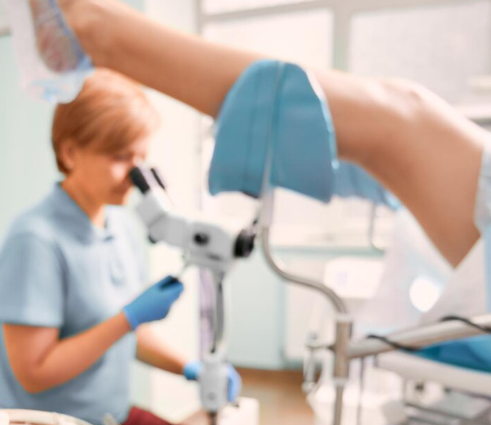
Treatment Overview
The Precision-Guided Robotic Endometriosis Surgery (PGRES) in Korea is a cutting-edge minimally invasive procedure that utilizes robotic-assisted technology combined with precision surgical mapping to treat endometriosis. This advanced approach offers exceptional accuracy in lesion removal, particularly for deep infiltrating disease, while preserving vital pelvic structures and fertility.
Korea is globally renowned for pioneering robotic gynecologic surgery, incorporating high-definition 3D imaging, advanced robotics, and precision surgical planning. This makes Korea a leading choice for patients seeking highly accurate, fertility-preserving endometriosis treatment.
Purpose & Benefits
Purpose:
- Precisely identify and remove endometriotic lesions
- Preserve reproductive and pelvic organ function
- Minimize nerve and tissue damage
- Reduce chronic pelvic pain and recurrence
Benefits:
- Exceptional precision with robotic assistance
- Minimally invasive with smaller incisions and reduced trauma
- Enhanced 3D visualization of pelvic anatomy
- Preservation of fertility and nerve function
- Reduced postoperative pain and faster recovery
- Short hospital stays (often 2–4 days)
- Comprehensive treatment of deep and complex endometriosis
Ideal Candidates
PGRES is suitable for women who:
- Have deep infiltrating or complex endometriosis
- Experience severe pelvic pain, infertility, or bowel/bladder symptoms
- Seek fertility-preserving surgery
- Prefer robotic-assisted minimally invasive treatment
- Require high precision to preserve pelvic function
Korean hospitals perform detailed preoperative diagnostics—including MRI, ultrasound, and surgical mapping—to design a patient-specific surgical plan.
Possible Risks & Complications
While PGRES is highly safe, possible risks include:
- Bleeding or infection
- Injury to bowel, bladder, ureters, or pelvic nerves
- Adhesion formation
- Incomplete lesion removal in certain cases
- Recurrence of endometriosis
- Anesthesia-related complications
Korea’s advanced robotic systems and surgical expertise help minimize these risks.
Surgical Techniques Used
Korea’s PGRES incorporates:
- Robotic-Assisted Surgery with High-Definition 3D Imaging: Enhances visualization and precision in lesion excision.
- Microsurgical Techniques: Preserve healthy tissue and pelvic structures.
- Energy-Based Vessel Sealing (Ultrasonic/Bipolar): Minimizes bleeding and thermal injury.
- CO₂ Laser or Plasma Energy: For precise lesion removal with minimal collateral damage.
- Fluorescence Imaging (ICG): Improves lesion identification and surgical navigation.
- Nerve-Sparing Techniques: Protect pelvic nerve integrity during surgery.
These techniques enable safe and complete excision of endometriotic lesions while maintaining pelvic health and function.
Recovery & Aftercare
Recovery following PGRES is generally faster than open surgery. Most patients are discharged within 2–4 days and return to normal activities within 4–6 weeks, depending on the complexity of the surgery.
Postoperative care includes:
- Pain management and incision care
- Pelvic floor physiotherapy to aid functional recovery
- Avoidance of strenuous activity during recovery
- Hormonal therapy to reduce recurrence
- Follow-up imaging and clinical evaluation
- Fertility counseling if desired
Korean hospitals provide structured aftercare programs tailored to the needs of endometriosis patients.
Results & Longevity
PGRES offers excellent long-term outcomes:
- Complete removal of superficial and deep lesions
- Significant relief from pelvic pain
- Preservation of fertility and pelvic function
- Minimal scarring and faster recovery
- Reduced recurrence rates with expert robotic surgery
- High patient satisfaction and improved quality of life
Korea’s expertise in robotic surgery ensures outstanding precision and patient outcomes.
Treatment Process in Korea
The PGRES process in Korea involves:
- Comprehensive Consultation & Diagnostics: MRI, ultrasound, and lesion mapping.
- Personalized Surgical Planning: Based on lesion complexity, nerve involvement, and patient goals.
- Precision-Guided Robotic Endometriosis Surgery: Utilizing high-definition 3D imaging and microsurgical precision.
- Postoperative Recovery & Follow-Up: Including physiotherapy, hormonal therapy, and fertility counseling if required.
Korean hospitals also offer concierge services for international patients, including translation, transport, and accommodation arrangements.
Cost Range
The Precision-Guided Robotic Endometriosis Surgery in Korea generally costs between USD 15,000 and 28,000, depending on:
- Extent and complexity of disease
- Use of robotic technology
- Hospital and surgeon expertise
- Duration of hospital stay and aftercare
Costs generally include consultation, surgery, anesthesia, hospitalization, and postoperative follow-up care.
Popular Clinics
- Samsung Medical Center (Seoul): Leader in robotic-assisted gynecologic surgery and endometriosis excision.
- Asan Medical Center (Seoul): Offers multidisciplinary robotic endometriosis surgery.
- Severance Hospital (Yonsei University, Seoul): Expertise in precision robotic excision of deep endometriosis.
- CHA Gangnam Medical Center: Known for advanced robotic endometriosis surgery with functional preservation.
- Ewha Womans University Medical Center: Integrates robotic excision with comprehensive recovery care.


