
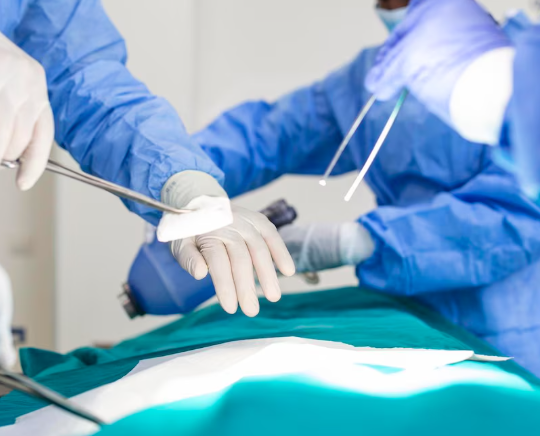
Treatment Overview
The Precision-Guided Tubal Ligation Surgery in Korea is an advanced sterilization procedure that combines high-definition laparoscopic imaging, microsurgical precision tools, and optional robotic assistance to permanently block or remove the fallopian tubes with unmatched accuracy. The precision-guided approach ensures minimal tissue trauma, enhanced safety, and optimal long-term results.
Korea is renowned worldwide for its excellence in precision-guided gynecologic surgery, thanks to cutting-edge technology, expert surgical teams, and meticulous procedural protocols. This makes Korea a top destination for women seeking permanent contraception with the highest standard of surgical care.
Purpose & Benefits
Purpose:
- Provide a permanent and highly reliable contraception option
- Achieve maximum surgical precision with minimal invasiveness
- Preserve surrounding tissues and maintain pelvic health
- Deliver optimal safety and recovery through advanced guidance technology
Benefits:
- Exceptional surgical accuracy with advanced visualization
- Minimal postoperative pain and reduced bleeding
- Small incisions for reduced scarring
- Shorter recovery time and minimal downtime
- High success rate with permanent contraception
- Long-lasting results with low complication rates
- Preservation of overall pelvic health
Ideal Candidates
Precision-guided tubal ligation is ideal for women who:
- Have decided on permanent sterilization
- Desire the highest precision surgical approach available
- Prefer minimally invasive surgery with advanced guidance
- Are concerned about preserving pelvic health and minimizing complications
In Korea, patients undergo a detailed preoperative evaluation, including Pap smear, pelvic ultrasound, and consultations to ensure safety and suitability.
Possible Risks & Complications
While precision-guided tubal ligation is highly safe, potential risks include:
- Mild cramping or pain after surgery
- Minor bleeding or bruising at incision sites
- Infection
- Rare injury to surrounding organs
- Reaction to anesthesia
- Rare ectopic pregnancy if sterilization fails
- Emotional concerns regarding permanent sterilization
Korea’s precision-guided systems and meticulous surgical protocols significantly reduce these risks.
Surgical Techniques Used
Korean specialists employ advanced precision-guided surgical methods:
- High-Definition Laparoscopy: Provides ultra-clear imaging for precise navigation.
- Microsurgical Instruments: Allow delicate manipulation of pelvic tissues.
- Robotic-Assisted Surgery (Optional): Improves precision and dexterity, especially in complex cases.
- Energy-Controlled Tubal Occlusion or Salpingectomy: Ensures permanent sterilization with minimal collateral damage.
- Single-Port Laparoscopy (Optional): Reduces scarring and accelerates recovery.
These technologies ensure permanent sterilization with maximum safety and accuracy.
Recovery & Aftercare
Recovery is typically quick, with most patients returning to daily activities within 2–3 days and complete recovery within 1–2 weeks.
Aftercare includes:
- Rest during the first few days after surgery
- Avoiding heavy lifting and strenuous activity for at least 1–2 weeks
- Avoiding sexual intercourse until advised by the surgeon
- Monitoring incision sites for signs of infection
- Follow-up visits to ensure the success of sterilization
- Guidance on pelvic health maintenance
Korean hospitals provide personalized aftercare programs tailored to each patient’s needs.
Results & Longevity
Precision-guided tubal ligation offers:
- Permanent contraception with a success rate exceeding 99%
- Minimal postoperative discomfort and complications
- Fast recovery and reduced downtime
- Minimal scarring and superior cosmetic results
- Long-term preservation of pelvic health
- High patient satisfaction due to accuracy and safety
Korea’s precision-guided approach ensures durable and reliable sterilization results.
Treatment Process in Korea
- Initial Consultation: Medical history review and discussion of reproductive goals.
- Preoperative Assessment: Pap smear, pelvic ultrasound, and health evaluation.
- Surgical Planning: Choosing the optimal precision-guided method.
- Precision-Guided Tubal Ligation Surgery: Performed using advanced laparoscopic or robotic-assisted guidance.
- Postoperative Care: Wound care, pain management, and recovery instructions.
- Follow-Up: Confirmation of sterilization and ongoing health monitoring.
Korea provides full-service packages for international patients, including translation services, accommodation, transport, and follow-up care.
Cost Range
The Precision-Guided Tubal Ligation Surgery in Korea generally ranges from USD 6,000 to 10,000, depending on:
- Surgical technique (laparoscopic vs robotic-assisted)
- Complexity of the procedure
- Hospital and surgeon reputation
- Inclusion of anesthesia, facility fees, and personalized aftercare
Many Korean hospitals offer transparent all-inclusive pricing packages for international patients.
Popular Clinics
- Samsung Medical Center (Seoul): Leader in precision-guided gynecologic surgery.
- Asan Medical Center (Seoul): Offers advanced laparoscopic sterilization with precision guidance.
- Severance Hospital (Yonsei University, Seoul): Expert in minimally invasive sterilization with precision navigation.
- CHA Gangnam Medical Center: Specializes in robotic-assisted precision tubal ligation.
- Ewha Womans University Medical Center: Provides personalized precision-guided sterilization with comprehensive aftercare.


