
Treatment Overview
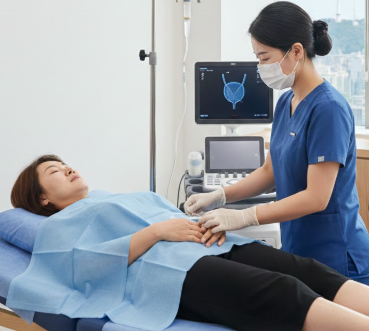
Prophylactic bladder instillation therapy is a preventive intravesical treatment aimed at reducing the risk of recurrence in patients with non-muscle invasive bladder cancer (NMIBC). This therapy involves administering chemotherapeutic or immunotherapeutic agents, such as Mitomycin C, Epirubicin, Gemcitabine, or BCG, directly into the bladder via a catheter, targeting residual cancer cells or preventing tumor formation. Korea is renowned for its expertise in prophylactic bladder therapy, offering precise dosing, cystoscopic guidance, and individualized protocols to ensure maximum safety and effectiveness for both domestic and international patients.
Purpose & Benefits
The primary purpose of prophylactic bladder instillation therapy is to prevent bladder cancer recurrence, especially in patients at intermediate or high risk after TURBT. Key benefits include:
- Significantly lowers the risk of tumor recurrence
- Maintains bladder function and quality of life
- Minimally invasive outpatient procedure with rapid recovery
- Can be combined with sequential or maintenance intravesical therapies
- Tailored to patient risk profile and tumor characteristics
Korean hospitals implement evidence-based protocols to optimize preventive effects while minimizing side effects.
Ideal Candidates
Ideal candidates include:
- Patients with low- to high-risk NMIBC after TURBT
- Individuals with multifocal or recurrent tumors
- Patients seeking bladder preservation over radical cystectomy
- Medically suitable patients able to undergo outpatient intravesical therapy
Patients with active urinary infections, bladder perforation, or allergies to the therapeutic agent require careful evaluation. Korean urologists perform thorough pre-treatment assessments to ensure patient safety.
Possible Risks & Complications
Prophylactic bladder instillation therapy is generally well-tolerated. Potential side effects include:
- Mild bladder irritation, urgency, and frequency
- Painful urination (dysuria)
- Hematuria (blood in urine)
- Rare chemical cystitis or bladder inflammation
- Minimal systemic effects
Korean hospitals minimize risks with careful dosing, controlled dwell times, and close patient monitoring.
Techniques & Technology Used
Advanced techniques used in Korea to enhance therapy outcomes include:
- Cystoscopic-guided catheterization for precise drug delivery
- Controlled dwell times to ensure complete bladder wall exposure
- Combination with TURBT if residual tumors are present
- Regular urine cytology and imaging to monitor response and detect recurrence
- Personalized dosing protocols based on patient risk and prior treatment history
These methods ensure effective therapy with minimal discomfort and high safety.
Treatment Process in Korea
The treatment process for international patients includes:
- Pre-treatment evaluation with cystoscopy, imaging, and urine cytology
- TURBT, if necessary, to remove visible tumors
- Prophylactic instillation sessions, scheduled according to individual risk and protocol
- Monitoring for side effects during and after each instillation
- Regular follow-up cystoscopies to assess response and detect recurrence early
- Patient education on bladder care, hydration, and symptom monitoring
Multilingual support ensures smooth communication and efficient scheduling for international patients.
Recovery & After-Care
Recovery is generally rapid due to the minimally invasive nature of the therapy. Aftercare includes:
- Retaining the medication in the bladder for the prescribed dwell time (usually 1–2 hours)
- Drinking plenty of fluids to minimize bladder irritation
- Avoiding sexual activity or strenuous activity during dwell periods
- Monitoring for urinary symptoms such as hematuria or dysuria
- Attending scheduled follow-up cystoscopies to ensure early detection of recurrence
Telemedicine follow-up is often available for international patients.
Results & Longevity
Prophylactic bladder instillation therapy in Korea effectively reduces the risk of NMIBC recurrence and progression. Most patients maintain bladder function, experience minimal side effects, and benefit from structured follow-up programs. Early preventive intervention ensures long-term bladder preservation and improved outcomes.
Why Korea Is a Top Destination
Korea is a preferred destination for prophylactic bladder instillation therapy because of:
- Expertise in NMIBC management and preventive intravesical therapy
- Advanced cystoscopic and drug delivery technology for precise instillation
- Integration with TURBT and sequential therapy protocols for optimal results
- Efficient outpatient treatment and minimal waiting times
- Multilingual support and international patient coordination
- Cost-effective treatment compared with Western countries without compromising quality
Patients benefit from world-class care, precision therapy, and structured follow-up plans.
Cost Range
The cost of prophylactic bladder instillation therapy in Korea generally ranges from USD 1,500 to USD 4,500 per treatment cycle, depending on:
- Type and number of instillation agents used
- Combination with TURBT or additional monitoring
- Hospital category and facility fees
- Follow-up cystoscopies and imaging
Hospitals provide transparent packages for international patients covering all essential treatment steps.
Popular Clinics in Korea
- Asan Medical Center – Urology & Bladder Cancer Clinic
- Seoul National University Hospital – NMIBC Preventive Therapy Program
- Samsung Medical Center – Prophylactic Instillation Unit
- Severance Hospital (Yonsei University) – Bladder Cancer Center
- Korea University Anam Hospital – Outpatient Uro-Oncology Clinic
- Seoul St. Mary’s Hospital – Prophylactic Therapy & Monitoring Clinic


