
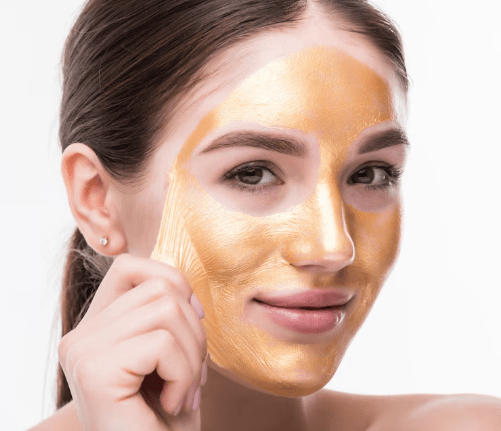
Treatment Overview
Propolis Calming Mask Therapy is a soothing, supportive treatment in Korea for seborrheic dermatitis, especially in patients with sensitive, red, and irritated skin. Propolis, a natural resin derived from bees, is known for its anti-inflammatory, antimicrobial, and skin-healing properties.
In Korean dermatology, propolis masks are used as part of post-laser soothing care, flare-up calming therapy, or barrier-repair protocols. They are often integrated into multi-step seborrheic dermatitis programs that also include antifungal creams, medicated shampoos, or LED/light therapy.
For seborrheic dermatitis, Propolis Calming Mask Therapy:
- Reduces redness, irritation, and itching.
- Provides antimicrobial support against skin microflora imbalance.
- Hydrates and strengthens the skin barrier.
- Aids recovery after flare-ups or procedures.
Purpose & Benefits
- Anti-Inflammatory Relief: Calms redness, burning, and irritation.
- Barrier Strengthening: Restores resilience to prevent sensitivity.
- Antimicrobial Effect: Helps balance skin flora alongside antifungal therapy.
- Hydration Boost: Improves dryness and scaling common in seborrheic dermatitis.
- Post-Treatment Recovery: Supports skin healing after light or laser therapies.
- Combination-Friendly: Works well with antifungal creams, barrier moisturizers, and cooling care.
Ideal Candidates
Propolis Calming Mask Therapy in Korea is recommended for:
- Patients with facial seborrheic dermatitis (around nose, eyebrows, forehead).
- Individuals with sensitive, redness-prone skin.
- Adults undergoing laser or LED therapies who need calming support.
- Patients looking for a natural, non-steroid soothing option.
- Those needing barrier recovery after flare-ups.
Comparison with Other Treatments
- Propolis Calming Mask: Best for hydration, antimicrobial soothing, and barrier repair.
- Panthenol Barrier Cream: Stronger focus on moisture retention and healing.
- Centella Asiatica Therapy: Potent anti-inflammatory and repair benefits.
- Antifungal Creams (Ketoconazole, Ciclopirox): Directly target yeast, not barrier.
- Topical Steroids (Hydrocortisone): Rapid flare relief, not for long-term use.
- LED Blue Light Therapy: Targets yeast and surface inflammation.
Possible Risks & Complications
Propolis masks are generally very safe, but may cause:
- Mild Tingling or Warmth: During application.
- Sticky Residue: Common with propolis-rich formulas.
- Allergic Reaction: Rare, but possible in patients allergic to bee products.
Treatment Techniques Used
- Sheet Masks / Gel Masks: Applied in clinic for 15–20 minutes.
- Infusion Therapy: Propolis extracts delivered with iontophoresis or electroporation.
- Combination Therapy: Often paired with cooling care or antifungal regimens.
- Session Protocol: Used once weekly during flare-ups, or post-procedure as soothing care.
Recovery & Aftercare
- Immediately: Calms stinging and redness, skin feels soothed.
- 1–2 Days: Reduced irritation, more hydrated skin.
- Weeks of Consistency: Fewer flare-ups and stronger skin barrier.
Aftercare Tips:
- Use gentle, fragrance-free cleansers.
- Apply SPF 50+ sunscreen daily on exposed areas.
- Avoid heavy, pore-clogging creams that may worsen seborrheic dermatitis.
- Combine with antifungal therapy for long-term management.
Results & Longevity
- Short-Term (After One Session): Immediate calming and hydration.
- Medium-Term (3–4 Sessions): Noticeable improvement in redness and irritation.
- Long-Term: Supports stable skin barrier, reducing flare recurrence.
Treatment Process in Korea
- Consultation & Diagnosis – Dermatologist evaluates dermatitis severity.
- Preparation – Cleansing, sometimes followed by scalp or facial scaling.
- Propolis Mask Application – Sheet or gel mask left on for 15–20 minutes.
- Optional Add-Ons – Antifungal creams, LED therapy, or cooling infusion.
- Post-Care – Hydration with barrier creams.
- Follow-Up – Regular use recommended for ongoing barrier support.
Why Korea is a Top Destination
- Korean dermatology clinics are leaders in integrating natural therapies like propolis into chronic skin care.
- Medical-grade propolis masks used in clinics ensure purity and safety.
- Multi-step programs combine propolis with antifungal, laser, or LED care.
- Affordable and widely available in both clinical and skincare formats.
- Seoul is a global hub for barrier-strengthening skincare protocols.
Cost Range (Detailed Breakdown)
Pricing for Propolis Calming Mask Therapy in Korea for seborrheic dermatitis:
- Single Propolis Mask Session: USD 50 – 100.
- 3–5 Session Package: USD 200 – 400.
- Combination Session (Propolis Mask + Antifungal + Cooling Care): USD 120 – 250.
- Premium Seborrheic Dermatitis Package (Propolis + Light Therapy + Barrier Infusion): USD 600 – 1,200 (4–6 sessions).
Additional Costs in Korea:
- Consultation: USD 20 – 40.
- Add-ons (Centella, hyaluronic acid boosters, scalp/skin infusions): USD 80 – 200.
💡 Patients often call Propolis Masks the “healing honey care”, since they provide hydration, antimicrobial support, and calming relief for sensitive seborrheic skin.
Popular Clinics in Seoul
- Oracle Dermatology – Propolis mask therapy combined with antifungal care.
- Banobagi Dermatology – Soothing dermatitis protocols with propolis + cooling care.
- Renewme Skin Clinic – Propolis infusions with LED/light therapy for flare-ups.
- View Plastic & Dermatology – Propolis mask post-laser or scaling for seborrheic skin.
- Chaum Anti-Aging Center – Premium soothing packages with propolis masks, infusions, and barrier repair.


