
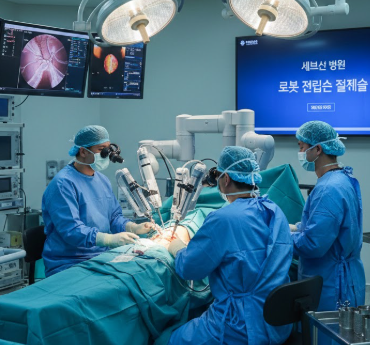
Treatment Overview
Prostatectomy with Pelvic Lymphadenectomy is a surgical procedure that involves the removal of the prostate gland along with pelvic lymph nodes. This combined approach is primarily used for patients with intermediate- to high-risk localized prostate cancer, to ensure complete cancer removal and accurate staging. In Korea, hospitals offer advanced surgical options, including robotic-assisted, laparoscopic, and open techniques, performed by highly experienced urologists to maximize effectiveness and minimize complications.
Purpose & Benefits
The main goals of this procedure are to remove cancerous tissue, assess lymph node involvement, and improve long-term survival. Benefits include:
- Comprehensive cancer control by removing both the prostate and affected lymph nodes.
- Accurate staging of prostate cancer to guide further treatment.
- Potentially lower recurrence rates by addressing lymphatic spread.
- Preservation of urinary and sexual function when nerve-sparing techniques are feasible.
- Minimally invasive options (robotic or laparoscopic) allow faster recovery with smaller incisions.
Ideal Candidates
This procedure is suitable for:
- Men with intermediate- to high-risk localized prostate cancer.
- Patients with elevated PSA levels or aggressive tumor characteristics.
- Individuals where preoperative imaging suggests possible lymph node involvement.
- Patients in good overall health who can tolerate major surgery.
Possible Risks & Complications
While generally safe, Prostatectomy with Pelvic Lymphadenectomy carries potential risks:
- Urinary incontinence, which may be temporary or long-term.
- Erectile dysfunction depending on nerve-sparing feasibility.
- Lymphocele formation or fluid accumulation in the pelvic area.
- Bleeding or infection at the surgical site.
- Injury to surrounding organs such as bladder or rectum.
- Rare risk of deep vein thrombosis (DVT) or pulmonary embolism.
- Standard anesthesia-related risks.
Techniques & Technology Used
Korean hospitals performing this surgery utilize cutting-edge techniques:
- Robotic-assisted surgery: 3D visualization and precision dissection for safer lymph node removal.
- Laparoscopic approach: Minimally invasive with smaller incisions and faster recovery.
- Open approach: For complex cases requiring extensive lymph node dissection.
- Nerve-sparing techniques: Applied when feasible to preserve erectile function.
- Advanced imaging and intraoperative guidance: Ensures accurate removal of lymph nodes and cancerous tissue.
Treatment Process in Korea
The typical process includes:
- Comprehensive Evaluation: PSA testing, MRI, biopsy review, and overall health assessment.
- Surgical Planning: Selection of robotic, laparoscopic, or open approach depending on tumor and patient factors.
- Surgical Procedure: Performed under general anesthesia, usually lasting 3–5 hours depending on complexity.
- Postoperative Monitoring: Hospital stay of 3–5 days with monitoring for bleeding, urinary function, and lymphatic complications.
- Follow-up Visits: PSA monitoring, imaging, and evaluation of urinary continence and sexual function recovery.
Recovery & After-Care
Recovery after Prostatectomy with Pelvic Lymphadenectomy emphasizes rehabilitation and complication prevention:
- Hospital Stay: Typically 3–5 days depending on surgical approach.
- Catheter Management: Urinary catheter usually removed 1–2 weeks post-surgery.
- Pain Management: Oral or IV medications for discomfort.
- Physical Activity: Light activity after 1–2 weeks; full activity resumed in 4–6 weeks.
- Long-Term Care: Pelvic floor exercises, urinary and sexual function rehabilitation, and regular PSA monitoring.
Results & Longevity
This procedure provides effective outcomes for cancer control and staging:
- Cancer Control: High success rates in localized and intermediate- to high-risk prostate cancer.
- Functional Outcomes: Urinary continence recovery typically occurs within months; sexual function preservation depends on nerve-sparing feasibility.
- Durability: Long-term survival and disease-free outcomes are excellent in high-volume Korean centers.
Why Korea Is a Top Destination
Korea is a preferred destination due to:
- Expert Surgeons: Urologists experienced in complex prostate and lymph node surgeries.
- Advanced Surgical Technology: Robotic, laparoscopic, and open surgical platforms.
- Comprehensive Cancer Care: Seamless integration of pre-op evaluation, surgery, and post-op rehabilitation.
- Affordable High-Quality Treatment: Competitive pricing for international patients.
- Medical Tourism Support: English-speaking coordinators, travel arrangements, and personalized care.
Cost Range
The cost of Prostatectomy with Pelvic Lymphadenectomy in Korea typically ranges from $12,000 to $20,000, depending on hospital, surgical complexity, and additional services such as accommodation and postoperative care.
Popular Clinics in Korea
Top hospitals offering this surgery for international patients include:
- Samsung Medical Center, Seoul – Expert robotic-assisted prostate and lymph node surgery.
- Asan Medical Center, Seoul – High-volume prostate cancer treatment and staging.
- Severance Hospital, Seoul – Specialized in minimally invasive and complex urological surgeries.
- Seoul St. Mary’s Hospital – Advanced surgical facilities and international patient care.
- CHA Bundang Medical Center – Renowned for high-quality prostate cancer treatment and medical tourism support.


