
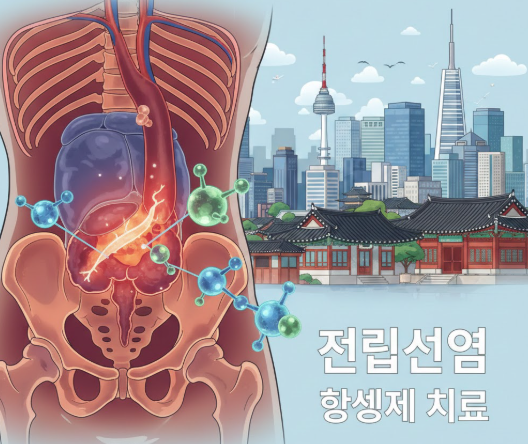
Treatment Overview
Prostatitis, often caused by bacterial infection, requires accurate diagnosis and targeted antibiotic therapy to eliminate infection and relieve symptoms. In Korea, urologists provide comprehensive care combining culture-guided antibiotics, symptom management, and follow-up monitoring to ensure effective treatment for both acute and chronic bacterial prostatitis.
Antibiotic therapy is the cornerstone of bacterial prostatitis management, aiming to eradicate pathogens, reduce inflammation, and prevent recurrence.
Purpose & Benefits
The main objectives of antibiotic therapy for prostatitis are:
- Eliminate bacterial infection of the prostate
- Reduce urinary symptoms such as pain, urgency, frequency, and weak stream
- Alleviate pelvic discomfort and inflammation
- Prevent recurrent urinary tract infections and chronic prostatitis
- Support overall prostate and urinary health
Benefits of receiving care in Korea include access to culture-based diagnostics, effective antibiotic regimens, monitoring for side effects, and integration with minimally invasive or lifestyle-based therapies for optimal results.
Ideal Candidates
Antibiotic therapy is suitable for men who:
- Have acute or chronic bacterial prostatitis confirmed by urine culture or prostate secretion analysis
- Experience urinary symptoms, pelvic pain, or systemic signs of infection
- Have recurrent urinary tract infections linked to prostate inflammation
- Require targeted therapy to prevent complications
- International patients seeking expert urology care and follow-up in Korea
Early intervention with appropriate antibiotics ensures rapid symptom relief and reduces the risk of chronic complications.
Possible Risks & Complications
While antibiotics are generally safe, potential risks include:
- Allergic reactions to certain antibiotics
- Gastrointestinal disturbances such as nausea or diarrhea
- Development of antibiotic-resistant bacteria if therapy is incomplete
- Interaction with other medications
Korean hospitals minimize risks through culture-guided therapy, monitoring, and patient education on medication adherence. Untreated or improperly treated bacterial prostatitis can lead to urinary retention, prostate abscess, sepsis, or chronic pelvic pain.
Techniques & Technology Used
Prostatitis antibiotic therapy in Korea is supported by advanced diagnostic and monitoring tools:
- Urine Culture & Sensitivity Testing: Identify the causative bacteria and select the most effective antibiotic
- Blood Tests & PSA Measurement: Assess inflammation and rule out other prostate conditions
- Digital Rectal Exam (DRE): Evaluate prostate tenderness and size
- Ultrasound Imaging: Detect prostate enlargement, abscess, or structural issues
- Tailored Antibiotic Regimens: Oral or intravenous antibiotics based on infection severity and bacterial sensitivity
- Symptom Monitoring: Track urinary, pelvic, and systemic symptom improvement throughout therapy
These techniques ensure precise, effective, and safe treatment of bacterial prostatitis.
Treatment Process in Korea
- Initial Consultation: Symptom assessment, medical history review, and prostate examination
- Diagnostic Evaluation: Urine culture, blood tests, imaging, and expressed prostatic secretion analysis if needed
- Antibiotic Prescription: Culture-guided oral or intravenous therapy
- Symptom Monitoring: Regular follow-up to evaluate response, manage side effects, and adjust treatment if necessary
- Additional Therapy: Pain management, alpha-blockers, or minimally invasive procedures for persistent symptoms
- International Patient Support: Appointment coordination, translation, and guidance for post-treatment care
Recovery & After-Care
- Acute bacterial prostatitis symptoms usually improve within days to a week with proper antibiotic therapy
- Chronic bacterial prostatitis may require prolonged treatment of 4–12 weeks
- Completing the full course of antibiotics is essential to prevent recurrence and resistance
- Follow-up visits ensure infection clearance and monitor urinary function
- Lifestyle adjustments, hydration, and pelvic floor exercises may be recommended to support recovery
Results & Longevity
- Effective eradication of bacterial infection
- Relief of urinary symptoms and pelvic discomfort
- Prevention of recurrent infections and chronic prostatitis
- Restoration of normal prostate and urinary function
- Long-term symptom control and improved quality of life with proper follow-up
Why Korea Is a Top Destination
- Experienced urologists specializing in bacterial prostatitis and antibiotic therapy
- Advanced laboratory and diagnostic facilities for culture-guided treatment
- Personalized therapy and careful monitoring to prevent complications
- Integrated care for international patients, including translation and post-treatment support
- Affordable, high-quality treatment with structured follow-up programs
Cost Range
- Consultation & Diagnostics: USD 50–150
- Urine Culture & Sensitivity Testing: USD 50–120
- Blood Tests & Imaging: USD 50–200
- Antibiotic Therapy (oral or IV): USD 100–300
Costs may vary based on hospital, severity of infection, and international patient services.
Popular Clinics in Korea
- Seoul National University Hospital
- Samsung Medical Center, Seoul
- Asan Medical Center, Seoul
- Severance Hospital (Yonsei University)
- St. Mary’s Hospital, Seoul
- Gangnam Urology Specialist Clinics
These hospitals provide comprehensive bacterial prostatitis diagnosis, antibiotic therapy, and follow-up care for both domestic and international patients.


