
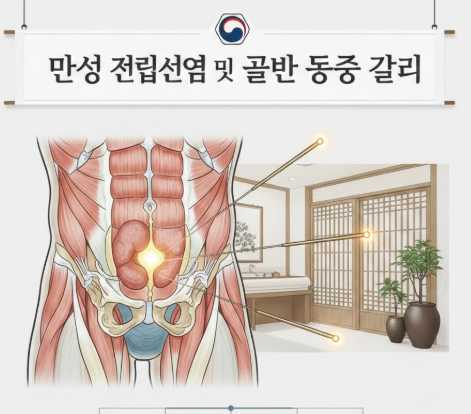
Treatment Overview
Chronic prostatitis often causes persistent pelvic pain, urinary symptoms, and discomfort that can last for months. Chronic Pelvic Pain Syndrome (CPPS) is a common form, affecting quality of life and sexual health. In Korea, specialized urology clinics provide comprehensive management of chronic pelvic pain associated with prostatitis, combining advanced diagnostics, medication, minimally invasive therapies, and lifestyle interventions.
The goal is to reduce pain, improve urinary and sexual function, and prevent long-term complications.
Purpose & Benefits
The main goals of chronic pelvic pain management are:
- Alleviate persistent pelvic and perineal pain
- Reduce urinary symptoms such as urgency, frequency, and weak stream
- Improve sexual function and overall well-being
- Minimize recurrence and prevent progression to chronic prostatitis
- Provide patient education on long-term self-management strategies
Benefits of management in Korea include access to experienced urologists, advanced pain management techniques, and integrated care tailored for both domestic and international patients.
Ideal Candidates
Chronic pelvic pain management is suitable for men who:
- Experience ongoing pelvic, perineal, or lower back pain lasting more than 3 months
- Have urinary symptoms associated with prostatitis
- Suffer from chronic bacterial or non-bacterial prostatitis
- Require comprehensive treatment addressing both pain and urinary function
- International patients seeking expert care and structured follow-up in Korea
Early intervention helps improve quality of life and prevents complications like urinary retention or sexual dysfunction.
Possible Risks & Complications
Without proper management, chronic pelvic pain can lead to:
- Persistent urinary discomfort and difficulty
- Sexual dysfunction, including erectile issues and painful ejaculation
- Emotional distress, anxiety, or depression due to chronic pain
- Recurrent infections or worsening prostatitis
- Reduced quality of life
Korean clinics minimize these risks through personalized pain management, targeted therapy, and patient education.
Techniques & Technology Used
Chronic pelvic pain management in Korea utilizes:
- Medical History & Symptom Assessment: Detailed review of pain, urinary, and sexual symptoms
- Physical Examination & Digital Rectal Exam (DRE): Assess prostate tenderness and muscular dysfunction
- Laboratory Tests & Urine Culture: Rule out bacterial infection or urinary tract issues
- Ultrasound & Imaging: Evaluate prostate and bladder health
- Medication Therapy: Anti-inflammatories, alpha-blockers, muscle relaxants, or antibiotics for bacterial cases
- Minimally Invasive Therapy: Pelvic floor physiotherapy, biofeedback, laser therapy, or nerve modulation
- Lifestyle & Behavioral Therapy: Stress reduction, diet modification, hydration, and exercise
- Patient Counseling: Guidance for pain management and prevention of recurrence
Treatment Process in Korea
- Initial Consultation: Review of chronic pain, urinary symptoms, and medical history
- Comprehensive Assessment: Lab tests, imaging, and symptom scoring
- Personalized Treatment Plan: Combination of medication, minimally invasive therapy, and lifestyle interventions
- Pain Management: Ongoing monitoring and adjustment of therapy
- Follow-Up & Support: Regular evaluation of symptoms and long-term management strategies
- International Patient Services: Appointment scheduling, translation, and post-treatment guidance
Recovery & After-Care
- Pain relief may take weeks to months depending on severity
- Medication and therapy adherence is essential for effective management
- Patients are guided on stress management, diet, and pelvic floor exercises
- Regular follow-up visits monitor symptom improvement and prevent recurrence
- Education ensures patients maintain long-term urinary and prostate health
Results & Longevity
- Reduction in chronic pelvic and perineal pain
- Improved urinary function and sexual health
- Enhanced quality of life and emotional well-being
- Prevention of recurrence and long-term complications
- Sustainable symptom management with proper lifestyle and medical follow-up
Why Korea Is a Top Destination
- Experienced urologists specializing in chronic prostatitis and pelvic pain
- Access to advanced diagnostic and therapeutic facilities
- Integrated, multidisciplinary care including pain management and lifestyle guidance
- Affordable, high-quality treatment for both domestic and international patients
- Structured follow-up ensures long-term symptom control and urinary health
Cost Range
- Consultation & Symptom Assessment: USD 50–150
- Laboratory Tests & Imaging: USD 50–200
- Medication Therapy: USD 50–300
- Minimally Invasive Therapy (if required): USD 1,500–4,000
Costs vary depending on hospital, therapy type, and international patient packages.
Popular Clinics in Korea
- Seoul National University Hospital
- Samsung Medical Center, Seoul
- Asan Medical Center, Seoul
- Severance Hospital (Yonsei University)
- St. Mary’s Hospital, Seoul
- Gangnam Urology Specialist Clinics
These hospitals provide comprehensive chronic prostatitis and pelvic pain management services for both domestic and international patients.


