
Treatment Overview
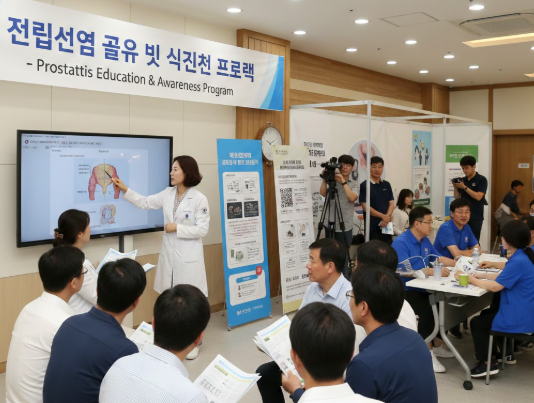
Prostatitis education and awareness programs in Korea are designed to help men understand prostate health, recognize early symptoms, and seek timely medical care. These programs target both patients and the general public, aiming to improve awareness about chronic prostatitis, acute bacterial prostatitis, and related urinary issues. By promoting early diagnosis and proper management, these programs reduce complications and improve quality of life.
Purpose & Benefits
The primary objectives of prostatitis education programs include:
- Educating men about symptoms of prostatitis and its types
- Promoting early consultation to prevent chronic complications
- Providing information on preventive lifestyle measures
- Increasing awareness about prostate health, BPH, and urinary tract issues
- Enhancing patient adherence to treatment and follow-up care
Benefits of participating in these programs include better self-monitoring, improved understanding of treatment options, and reduced anxiety about prostate-related health issues.
Ideal Candidates
- Men experiencing urinary symptoms such as pain, frequency, or urgency
- Men with chronic pelvic pain or recurrent urinary tract infections
- Patients undergoing treatment for prostatitis or BPH who want to understand long-term care
- The general male population interested in preventive prostate health
- International patients seeking guidance before or after treatment in Korea
Possible Risks & Complications
These programs are educational and preventive, so risks are minimal. However, incorrect self-diagnosis or delaying professional care despite program knowledge can lead to:
- Progression to chronic prostatitis
- Untreated urinary tract infections or complications
- Increased anxiety if symptoms are not correctly interpreted
Programs emphasize that education complements, not replaces, professional medical consultation.
Techniques & Technology Used
- Workshops and Seminars: Conducted in hospitals, community centers, or online platforms
- Printed & Digital Materials: Pamphlets, brochures, and online guides explaining prostatitis types, symptoms, and preventive strategies
- Interactive Sessions: Question-and-answer sessions with urologists or healthcare professionals
- Screening & Awareness Camps: Offering free basic check-ups, urinalysis, or PSA testing to encourage early detection
- Online Platforms: Webinars, video tutorials, and social media campaigns to reach broader audiences
Treatment Process in Korea (Education Focus)
- Registration & Enrollment: Patients or participants sign up for educational sessions or awareness campaigns
- Initial Assessment: Optional basic health check-ups to contextualize learning
- Educational Sessions: Covering prostatitis types, symptoms, treatment options, lifestyle measures, and sexual health considerations
- Interactive Q&A: Participants ask questions and discuss concerns with urologists or trained educators
- Follow-Up Resources: Handouts, online materials, and recommended check-up schedules
- Screening Opportunities: Many programs include optional screening for early signs of prostate issues
Recovery & After-Care (Knowledge Application)
- Participants apply knowledge from programs by adopting preventive measures, such as hydration, diet adjustments, regular urination, and pelvic floor exercises
- Encouraged to maintain periodic check-ups with a urologist for early detection of prostatitis or BPH
- Education helps in understanding treatment instructions, medication adherence, and when to seek further care
Results & Longevity
- Increased awareness leads to earlier diagnosis and treatment
- Reduced progression of chronic prostatitis due to proactive monitoring
- Improved patient compliance with treatment plans
- Enhanced understanding of lifestyle measures that support long-term prostate health
- Better sexual and urinary health outcomes through education and preventive care
Why Korea Is a Top Destination
- Hospitals and urology clinics offer structured educational programs alongside clinical care
- Programs are designed for both domestic and international patients
- Access to specialists for live Q&A, guidance, and follow-up
- Integration with preventive health screenings and chronic care programs
- Multilingual support for international participants
Cost Range
- Educational workshops or seminars: Free to USD 50
- Online webinars or digital materials: Free to USD 20
- Optional screening camps: USD 50–150 depending on tests offered
Programs are generally low-cost, with some institutions offering free awareness initiatives as part of community health outreach.
Popular Clinics & Institutions in Korea
- Seoul National University Hospital Urology Department
- Samsung Medical Center Men’s Health Programs
- Asan Medical Center Urology & Preventive Health
- Severance Hospital Prostate Health Education
- Gangnam Urology Specialist Clinics Awareness Programs
These centers often integrate education with clinical consultation, enabling participants to access follow-up care seamlessly.


