
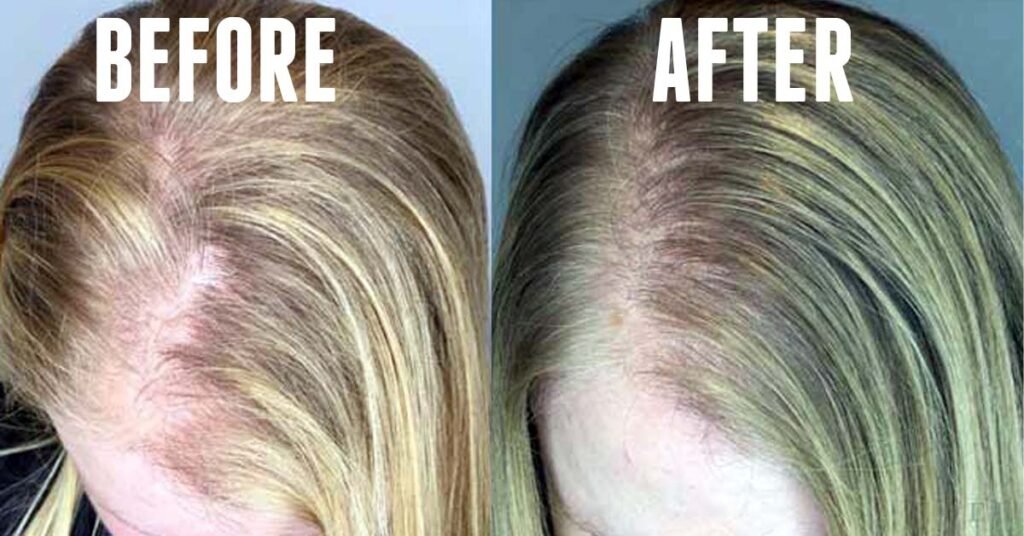
Hair loss is progressive. The longer you wait, the harder it becomes to reverse. That’s why Platelet-Rich Plasma (PRP) therapy is most effective when used early in the hair loss journey. If you’re beginning to notice signs like thinning at the crown, a widening part line, or excessive shedding in the shower, it might be time to act—and PRP could be your best defense.
In this article, we’ll explore why timing is critical when it comes to PRP therapy, how early intervention boosts success rates, and what to expect when starting PRP treatment in the early stages of hair loss.
🔬 What Is PRP and How Does It Work?
PRP (Platelet-Rich Plasma) therapy involves:
- Drawing a small amount of your blood
- Spinning it in a centrifuge to separate and concentrate platelets
- Injecting the PRP into areas of the scalp with thinning hair
These platelets are rich in growth factors that stimulate dormant or weakened hair follicles, improve blood supply, reduce inflammation, and promote thicker, healthier hair growth.
⏰ Why Early Intervention Matters
Hair loss typically progresses in stages, and with each passing stage, hair follicles become weaker and eventually die. Once a follicle is completely inactive or scarred over, no treatment—PRP included—can bring it back. Acting early means:
- Follicles are still alive and responsive
- Less damage to reverse
- Better overall density restoration
- Lower likelihood of needing surgical options later
Let’s look at why PRP works best when started early:
1. Early-Stage Follicles Are Still Active
PRP doesn’t create new follicles—it revitalizes existing ones. In early stages, hair follicles are miniaturized (producing thinner hairs), but still functioning. PRP can help:
- Restore thickness
- Increase growth phase (anagen)
- Reduce the shedding phase (telogen)
Once follicles become completely inactive or scarred, PRP will not be effective. Timing is key.
2. Prevents Further Hair Loss
One of PRP’s biggest advantages in early hair loss is its ability to stabilize and halt progression. For patients with androgenetic alopecia (pattern baldness), early PRP treatments can:
- Slow the miniaturization process
- Maintain existing hair density
- Buy time before more invasive solutions are needed
Think of it as hair preservation, not just hair restoration.
3. Boosts Other Treatments
In the early stages, patients often respond well to a combination of PRP and other therapies, such as:
- Minoxidil (Rogaine) – a topical treatment that stimulates follicles
- Finasteride (Propecia) – a DHT blocker (for men)
- Nutritional supplements – for addressing deficiencies like iron or biotin
- Microneedling or laser therapy
PRP enhances the effectiveness of these treatments when follicles are still active, allowing a multi-pronged approach to maximize regrowth potential.
4. Minimally Invasive with No Downtime
When caught early, hair loss can be managed without surgery or scarring. PRP requires no incisions, no medication long-term, and no recovery time. For younger adults or those just beginning to notice shedding, PRP is a low-risk, proactive way to maintain confidence and appearance.
5. More Cost-Effective in the Long Run
Delaying treatment can lead to:
- Advanced baldness
- The need for hair transplant surgery
- Years of medical-grade hair loss management
Treating hair loss early with PRP may seem like a short-term expense, but it often results in fewer sessions, better outcomes, and less need for intensive intervention later.
🧑⚕️ Who Should Consider PRP for Early Hair Loss?
You may be a great candidate if you:
- Are in your 20s to 40s and noticing hair thinning
- Have a family history of hair loss
- Are shedding more hair than usual
- Notice a wider part, thinning temples, or a patchy crown
- Want a natural, drug-free approach to preservation
🗓️ What to Expect from Treatment
- Initial sessions: Typically 3–4 spaced 4–6 weeks apart
- Maintenance: Every 4–6 months for long-term results
- Results timeline: Some patients notice reduced shedding in 1–2 months; thicker hair often appears after 3–6 months
Because early-stage patients still have active follicles, results tend to be more dramatic and longer-lasting compared to those who begin PRP at later stages.
🔁 The Bottom Line: Sooner Is Better
PRP is not a miracle cure, but it is a highly effective treatment—especially when started early. The earlier you intervene, the better your chances of stopping the progression and regrowing thicker, healthier hair.
If you’re starting to notice changes in your hair—don’t wait. Hair restoration is most effective before hair loss becomes visible to others.
Want to Know If You’re a Candidate?
Schedule a consultation with a hair restoration specialist who can assess:
- Your stage of hair loss
- Scalp condition
- Suitability for PRP
- Other complementary treatments


