
Treatment Overview
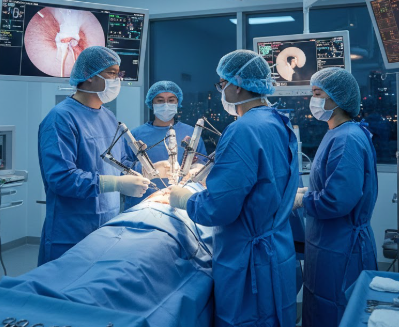
Pyeloplasty is a surgical procedure used to correct ureteropelvic junction (UPJ) obstruction, a condition where the connection between the kidney and ureter is narrowed or blocked. This obstruction can cause hydronephrosis, flank pain, recurrent urinary tract infections, and impaired kidney function. In Korea, hospitals offer advanced minimally invasive pyeloplasty techniques, including laparoscopic and robotic-assisted surgery, ensuring precise correction, reduced recovery time, and optimal outcomes for both adult and pediatric patients.
Purpose & Benefits
The main purposes of pyeloplasty are to:
- Correct ureteropelvic junction obstruction
- Restore normal urine flow from the kidney to the ureter
- Relieve hydronephrosis and associated pain
- Preserve kidney function and prevent long-term damage
Benefits of undergoing pyeloplasty in Korea include:
- Minimally invasive options with shorter hospital stays and recovery periods
- High surgical precision using robotic and laparoscopic technology
- Immediate relief of obstruction symptoms and improved kidney function
- Expert care from experienced urologists specializing in reconstructive surgery
- Comprehensive support for international patients including translation, accommodation, and follow-up care
Ideal Candidates
Pyeloplasty is suitable for patients who:
- Have UPJ obstruction causing hydronephrosis, flank pain, or recurrent infections
- Experience decreased kidney function due to obstruction
- Require surgical correction of congenital or acquired ureteral narrowing
- Are seeking advanced surgical care abroad
Both adult and pediatric patients can benefit depending on the severity and cause of the obstruction.
Possible Risks & Complications
Although generally safe, pyeloplasty may involve some risks:
- Temporary bleeding or hematuria (blood in urine)
- Urinary tract infection
- Rare injury to surrounding tissues or organs during surgery
- Anastomotic leakage at the surgical site
- Incomplete relief of obstruction requiring additional intervention
Korean hospitals follow strict surgical protocols to minimize risks and ensure optimal outcomes.
Techniques & Technology Used
Korea uses advanced surgical technologies for pyeloplasty:
- Laparoscopic pyeloplasty: Minimally invasive technique using small incisions
- Robotic-assisted pyeloplasty: Enhanced precision with robotic instruments
- Open pyeloplasty: Traditional surgical approach for complex cases
- Advanced imaging guidance: Ultrasound, CT, and fluoroscopy for preoperative planning
- Postoperative monitoring: Ensures proper kidney drainage and function
These technologies allow effective, safe, and minimally invasive correction of ureteropelvic junction obstruction.
Treatment Process in Korea
The typical pyeloplasty process includes:
- Comprehensive evaluation: Imaging studies, kidney function tests, and clinical assessment
- Surgical intervention: Laparoscopic, robotic-assisted, or open pyeloplasty depending on case complexity
- Immediate postoperative care: Monitoring of urine output and kidney function
- Follow-up imaging: Ensures successful correction and proper healing
- Long-term care: Regular check-ups to monitor kidney health and prevent recurrence
International patients receive full support including translation, accommodation, and coordinated care.
Recovery & After-Care
Recovery after pyeloplasty is generally smooth:
- Hospital stay: 2–5 days depending on surgical approach
- Pain is managed with oral or intravenous medications
- Normal activities can typically resume within 2–4 weeks for minimally invasive procedures
- Adequate hydration and follow-up imaging are essential
- Stents, if placed, are removed according to the surgeon’s schedule
Korean hospitals provide detailed postoperative care instructions to ensure safe recovery.
Results & Longevity
Pyeloplasty surgery in Korea has high success rates, with most patients experiencing complete relief of obstruction and improved kidney function. Long-term outcomes are excellent, especially when combined with preventive strategies such as regular follow-up and monitoring of kidney health.
Why Korea Is a Top Destination
Korea is a leading destination for pyeloplasty due to:
- Advanced minimally invasive and robotic-assisted surgical techniques
- Highly skilled urologists experienced in reconstructive urology
- State-of-the-art hospitals adhering to international medical standards
- High success rates with minimal recovery time
- Cost-effective treatment compared to Western countries
- Comprehensive services for international patients including translation, accommodation, and follow-up care
Cost Range
The cost of pyeloplasty in Korea typically ranges from $5,000 to $10,000 USD, depending on:
- Surgical approach (laparoscopic, robotic-assisted, or open surgery)
- Hospital and surgeon reputation
- Length of hospital stay and supportive care
- Complexity of the obstruction
This cost is competitive internationally while ensuring world-class care.
Popular Clinics in Korea
Top hospitals for pyeloplasty surgery for international patients include:
- Seoul National University Hospital – advanced urology and reconstructive departments
- Asan Medical Center – expertise in minimally invasive and robotic-assisted pyeloplasty
- Samsung Medical Center – state-of-the-art imaging and surgical technology
- Yonsei Severance Hospital – experienced in complex renal and ureteral reconstructive surgery
- CMC Bundang Hospital – comprehensive care and medical tourism support
These hospitals provide full services including translation, accommodation, and postoperative follow-up for international patients.


