
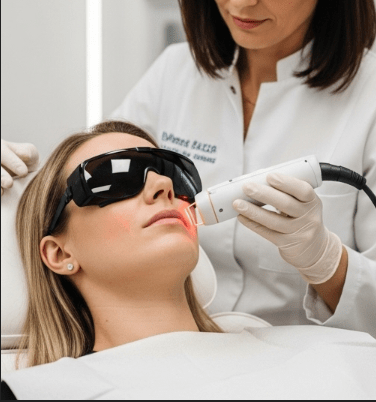
Treatment Overview
Q-Switched Nd:YAG Laser Whitening is one of the most widely performed skin brightening treatments in Korea. This laser uses short, high-energy pulses to target melanin pigments deep within the skin, breaking them down into smaller particles that are naturally eliminated by the body. It is highly effective for pigmentation, freckles, age spots, and overall skin whitening. Because of its precision and safety, it remains one of the most trusted whitening laser treatments in Korean dermatology clinics.
Purpose & Benefits
- Reduces pigmentation, melasma, and freckles
- Improves uneven skin tone and overall brightness
- Stimulates collagen for firmer, smoother skin
- Non-invasive procedure with minimal downtime
- Safe for Asian skin types with lower risk of complications
Ideal Candidates
- Individuals with dark spots, pigmentation, or melasma
- Patients looking for a non-surgical whitening solution
- People who want brighter, clearer skin with natural results
- Those with sun-damaged skin or post-inflammatory hyperpigmentation
Possible Risks & Complications
While generally safe, some temporary side effects may include:
- Mild redness or swelling for a few hours to a day
- Temporary darkening of treated spots before they fade
- Dryness or flakiness in the treated area
- Rare cases of blistering or scarring (if not properly managed)
Surgical Techniques Used
Although it is non-surgical, the Q-Switched Nd:YAG laser relies on advanced techniques:
- 1064 nm wavelength for deeper pigmentation and dermal issues
- 532 nm wavelength for superficial pigmentation and freckles
- Selective photothermolysis ensures only melanin is targeted, sparing surrounding skin
- Fractional handpieces sometimes combined for enhanced collagen stimulation
Recovery & Aftercare
- Mild redness usually fades within 24 hours
- Sun avoidance and sunscreen use are essential for 1–2 weeks
- Moisturizers and soothing creams recommended to reduce sensitivity
- Multiple sessions (3–6) may be needed for optimal whitening effects
- Avoid harsh skincare products for a few days post-treatment
Results & Longevity
- Skin brightening is visible within 1–2 sessions
- Significant improvement after 3–5 sessions
- Results may last 12–18 months with proper sun protection
- Maintenance treatments are often recommended for persistent pigmentation
Treatment Process in Korea
Korean dermatology clinics are global leaders in Q-Switched Nd:YAG Laser Whitening due to their advanced technology and expertise. The typical process includes:
- Consultation & Skin Analysis – Detailed evaluation using imaging devices to map pigmentation.
- Customized Laser Protocol – Energy settings tailored to skin type and pigmentation depth.
- Advanced Korean Technology – Clinics often use FDA- and KFDA-approved devices like Spectra XT or Pastelle, known for superior precision and safety.
- Comfort-Enhanced Procedure – Numbing creams and cooling systems reduce discomfort.
- Aftercare & Maintenance Programs – Patients receive whitening serums, hydrating facials, or post-laser skin recovery treatments to maximize results.
Why Korea is a Top Destination:
- Internationally trained dermatologists experienced in treating Asian skin tones
- Use of premium devices and innovative whitening protocols
- Competitive package pricing compared to the US, Japan, or Europe
- Strong global reputation for safe and effective aesthetic treatments
Cost Range
The cost of Q-Switched Nd:YAG Laser Whitening in Korea depends on clinic reputation and the number of sessions:
- Per Session: ₩150,000 – ₩400,000 (≈ $110 – $300)
- Package of 3–6 Sessions: ₩600,000 – ₩1,800,000 (≈ $450 – $1,350)
- Premium clinics in Gangnam, Seoul may charge slightly higher but usually include aftercare treatments.
Popular Clinics
- Banobagi Dermatology Clinic (Seoul) – Leading clinic specializing in whitening and pigmentation.
- Oracle Dermatology (Nationwide) – Well-known global chain offering advanced laser skin solutions.
- ID Hospital Skin Clinic (Seoul) – Provides customized whitening and rejuvenation programs.
- Renewme Skin Clinic (Seoul & Busan) – Popular with international patients for Q-Switched and Picosecond lasers.
- Me Clinic (Seoul) – Specializes in pigmentation and advanced laser dermatology.


