
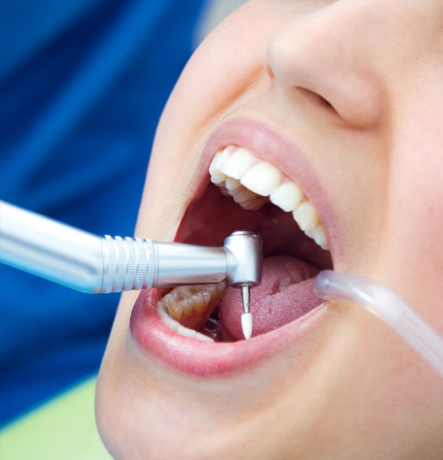
Treatment Overview
Quick Pulpotomy in Korea is an advanced dental procedure designed to provide immediate pain relief and infection control in cases where the dental pulp (nerve tissue) has been exposed due to deep decay or trauma. The treatment involves removing the infected or inflamed portion of the pulp in the tooth’s crown while preserving the healthy pulp in the roots. It is often used as an emergency or conservative alternative to full root canal therapy, especially when the infection is localized and early intervention can save the tooth’s vitality.
Korean dental clinics are known worldwide for their precise, fast, and pain-free pulpotomy techniques, using microscopic guidance, digital imaging, and bioceramic materials for optimal results. The procedure is typically completed in one short visit and provides instant relief, preventing further infection while maintaining the tooth’s natural structure and vitality.
Purpose & Benefits
Purpose
- To relieve severe tooth pain caused by pulp inflammation or early infection.
- To remove infected coronal pulp tissue and preserve the root’s vitality.
- To stop bacterial spread and prevent the need for full root canal therapy.
- To stabilize the tooth and allow normal chewing function.
- To protect and extend the life of the natural tooth.
Benefits
- Immediate Pain Relief: Quick elimination of infected pulp tissue.
- Tooth Preservation: Maintains root vitality and natural tooth structure.
- Fast Procedure: Completed in a single, short appointment.
- Minimally Invasive: Less removal of healthy tissue compared to full RCT.
- High Success Rate: Bioceramic materials promote healing and prevent reinfection.
- Cost-Effective: More affordable than complete root canal therapy.
Korean dental professionals use digital precision and regenerative materials to ensure quick, safe, and lasting results from pulpotomy procedures.
Ideal Candidates
Ideal Candidates Include:
- Patients experiencing sharp or spontaneous tooth pain from deep cavities.
- Individuals with pulp exposure but no severe root infection.
- Children and adults with traumatic pulp injuries (e.g., chipped or broken teeth).
- Patients who need urgent pain relief before full treatment can be completed.
- Those with reversible pulpitis where part of the pulp can still heal.
Quick pulpotomy is ideal for emergency care and early-stage infection management, preserving pulp vitality and preventing tooth loss.
Possible Risks & Considerations
Quick pulpotomy is a safe and effective treatment, though mild side effects may occur:
- Temporary Sensitivity: Slight discomfort after treatment, usually resolving within days.
- Pulp Necrosis (Rare): In some cases, the remaining pulp may not heal and may require root canal therapy.
- Restoration Failure: If the protective restoration is damaged, reinfection could occur.
Korean clinics minimize risks through digital imaging, sterile techniques, and high-quality bioceramic materials, ensuring a secure and stable outcome.
Techniques Used
Korean dental specialists utilize modern endodontic tools, digital visualization, and regenerative materials to perform pulpotomies efficiently and comfortably.
Common Techniques Include:
- Digital CBCT Imaging: Determines pulp vitality and infection extent.
- Microscope-Guided Removal: Ensures precise removal of affected pulp tissue.
- Hemostasis Control: Gentle pressure or laser used to stop bleeding.
- Bioceramic Pulp Capping: Mineral trioxide aggregate (MTA) or calcium silicate placed to promote healing.
- Restorative Sealing: Tooth restored with composite resin or crown for long-term protection.
- Single-Visit Completion: Most treatments finished within 30–45 minutes.
These advanced techniques make Korean pulpotomy treatments precise, comfortable, and long-lasting.
Recovery & Aftercare
Recovery from quick pulpotomy is rapid and straightforward.
Aftercare Guidelines:
- Avoid chewing hard or sticky foods on the treated side for 24 hours.
- Maintain good oral hygiene and brush gently around the treated tooth.
- Take mild pain relief medication if needed for sensitivity.
- Schedule follow-up visits for pulp vitality checks or crown restoration.
- Inform your dentist immediately if pain or swelling reappears.
Following these steps ensures optimal healing and long-term success of the pulpotomy.
Results & Longevity
Expected Results:
- Instant pain relief and comfort restoration.
- Preservation of tooth vitality and natural color.
- Stable, infection-free tooth structure.
- Prevention of further decay or pulp necrosis.
Longevity:
A successful pulpotomy can last many years, especially when followed by proper restoration such as a crown or onlay. In Korea, the use of bioceramic and regenerative materials significantly enhances the long-term success rate, often exceeding 90–95%.
Treatment Process in Korea
Step-by-Step Process:
- Digital Diagnosis: 3D CBCT or X-ray used to confirm pulp vitality and infection depth.
- Local Anesthesia: Ensures complete comfort during the procedure.
- Access Opening: The dentist creates a small opening to reach the infected pulp.
- Partial Pulp Removal: Only the inflamed coronal pulp is gently removed.
- Disinfection & Hemostasis: The cavity is cleaned and bleeding is controlled.
- Pulp Capping: Bioceramic material applied to protect the remaining healthy pulp.
- Restoration: The tooth is sealed with a filling or temporary crown.
This process demonstrates Korea’s precision-based, patient-friendly approach to pulp therapy.
Why Korea Is a Top Destination
- Advanced Endodontic Technology: CBCT imaging, microscopes, and lasers for accuracy.
- Expert Endodontists: Skilled specialists in vital pulp therapy and conservative treatments.
- Pain-Free Procedures: Modern anesthesia ensures a comfortable experience.
- Bioceramic Innovation: Promotes healing and pulp regeneration.
- Quick & Efficient Service: Most treatments completed in one short visit.
- Affordable Global Quality: High-end results at globally competitive prices.
Korea’s digital innovation and clinical expertise make it one of the world’s best destinations for pulpotomy and endodontic care.
Unique Korean Methods & Technology
- AI-Guided Diagnostic Systems: Evaluate pulp health and infection progression.
- Laser-Assisted Disinfection: Enhances sterilization and accelerates healing.
- Microscopic Pulpotomy: Ensures precision and minimal tissue removal.
- Bioceramic Regenerative Capping: Encourages dentin bridge formation for pulp protection.
- Digital Restoration Integration: Immediate sealing with tooth-colored composites.
These technologies allow Korean dentists to deliver minimally invasive, biologically safe, and long-lasting pulp treatments.
Cost Range
The cost of Quick Pulpotomy in Korea depends on the tooth type, infection level, and materials used.
- Single-Rooted Tooth (Front): ₩250,000 – ₩500,000 (USD $190 – $380)
- Premolar: ₩500,000 – ₩700,000 (USD $380 – $530)
- Molar: ₩700,000 – ₩1,000,000 (USD $530 – $750)
- Full Package (Pulpotomy + CBCT + Restoration): ₩1,200,000+ (USD $900+)
Most Korean clinics include consultation, anesthesia, pulp capping, and restoration in one visit, making it both convenient and cost-effective.
Popular Clinics
- Seoul National University Dental Hospital (Endodontic Department): Renowned for conservative pulp preservation and regenerative treatments.
- Yonsei University Severance Dental Hospital: Specializes in bioceramic pulpotomy and quick pain relief care.
- Asan Medical Center Dental Clinic: Offers laser-assisted pulpotomy for fast, minimally invasive results.
- Samsung Medical Dental Center: Utilizes AI-based pulp diagnostics and advanced digital endodontics.
- MizMedi Dental Clinic: Focused on emergency pulpotomy and long-term pulp vitality preservation.


