
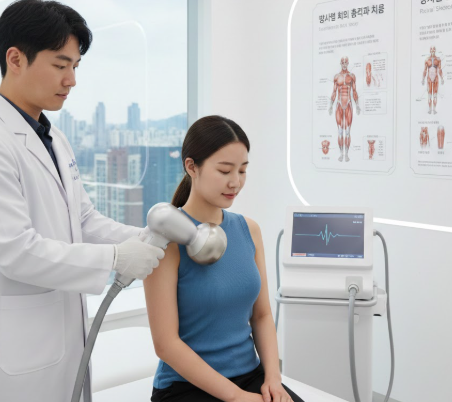
Treatment Overview
Radial Shockwave Therapy (RSWT) is a non-invasive therapeutic technique that uses radial pressure waves to stimulate healing in superficial musculoskeletal tissues. Unlike focused shockwave therapy, radial shockwaves disperse energy over a wider area, making them particularly effective for treating soft tissue conditions involving muscles, tendons, ligaments, and fascia. In Korea, radial shockwave therapy is widely used in orthopedics, sports medicine, physical rehabilitation, and pain management clinics.
Korean medical facilities utilize advanced radial shockwave devices that deliver controlled, low- to medium-energy acoustic waves to targeted areas. This treatment is commonly recommended for chronic tendon pain, muscle tightness, plantar fasciitis, tennis elbow, shoulder pain, and sports-related injuries. International patients choose Korea for radial shockwave therapy due to its advanced medical technology, experienced specialists, and efficient outpatient care model.
Purpose & Benefits
The primary purpose of radial shockwave therapy is to reduce pain, improve mobility, and accelerate the body’s natural healing processes. The acoustic waves increase blood circulation, stimulate collagen production, and reduce muscle tension in affected areas.
Key benefits include effective pain relief, improved range of motion, faster recovery from chronic injuries, and reduced reliance on pain medications. Radial shockwave therapy is especially beneficial for patients with widespread or superficial musculoskeletal conditions, as it treats larger tissue areas comfortably. Patients benefit from a non-surgical, drug-free solution with minimal discomfort and no downtime.
Ideal Candidates
Radial shockwave therapy is ideal for individuals suffering from chronic musculoskeletal pain that has not responded well to conventional treatments such as physical therapy or medications. Suitable candidates include patients with plantar fasciitis, Achilles tendinopathy, tennis elbow, golfer’s elbow, shoulder tendinitis, myofascial pain, and muscle stiffness.
It is also an excellent option for athletes and active individuals seeking faster recovery and improved performance. Medical tourists prefer radial shockwave therapy in Korea because it allows for quick sessions, outpatient treatment, and minimal disruption during their stay.
Possible Risks & Complications
Radial shockwave therapy is considered safe and well-tolerated when performed by trained professionals. Most patients experience mild and temporary side effects such as redness, warmth, soreness, or slight bruising at the treatment site.
Serious complications are rare. Some patients may experience temporary discomfort during the session, which typically subsides quickly. Individuals with bleeding disorders, acute infections, tumors, or pregnancy may not be suitable candidates. Korean clinics conduct thorough pre-treatment evaluations to ensure safety.
Techniques & Technology Used
Korean clinics use modern radial shockwave systems with adjustable pressure levels and pulse frequencies, allowing treatment to be customized according to the patient’s condition and pain tolerance. These devices deliver radial pressure waves that spread outward from the applicator, covering broader treatment areas.
Radial shockwave therapy is often combined with physiotherapy, stretching programs, manual therapy, or rehabilitation exercises to enhance outcomes. Korea’s focus on integrated treatment protocols ensures optimal recovery and long-term results.
Treatment Process in Korea
The treatment process begins with a comprehensive consultation and physical assessment. Diagnostic imaging may be used to identify the affected tissues and determine the most effective treatment plan.
During the procedure, a conductive gel is applied to the skin, and a handheld radial shockwave device delivers pressure waves to the treatment area. Each session typically lasts 10 to 20 minutes. Most patients require 3 to 6 sessions scheduled over several weeks. Korean clinics are known for efficient scheduling and international patient coordination.
Recovery & After-Care
Radial shockwave therapy requires no recovery time. Patients can return to daily activities immediately after treatment. Mild soreness may be experienced but usually resolves within 24 to 48 hours.
After-care recommendations may include light stretching, hydration, and avoiding intense physical activity for a short period. Korean clinics provide personalized after-care instructions and ongoing support to ensure sustained improvement.
Results & Longevity
Many patients experience noticeable pain relief and improved mobility after a few sessions. Continued improvement is common as tissue healing progresses over several weeks.
The longevity of results depends on the underlying condition, lifestyle habits, and adherence to rehabilitation advice. With proper after-care and supportive therapy, results from radial shockwave therapy can last for months or longer.
Why Korea Is a Top Destination
Korea is internationally recognized for advanced medical technology, skilled healthcare professionals, and high standards of patient care. Radial shockwave therapy in Korea is performed by experienced orthopedic specialists, sports medicine physicians, and rehabilitation experts.
Medical tourists benefit from competitive pricing, minimal waiting times, multilingual support, and comprehensive medical tourism services. Korea’s emphasis on innovation and patient satisfaction makes it a leading destination for radial shockwave therapy.
Cost Range
The cost of radial shockwave therapy in Korea depends on the number of sessions, treatment area, and clinic expertise. On average, prices range from USD 80 to USD 250 per session. Package pricing is often available for international patients.
Compared to many Western countries, Korea offers high-quality radial shockwave therapy at a more affordable cost while maintaining excellent clinical standards.
Popular Clinics in Korea
Korea has numerous reputable orthopedic, sports medicine, and rehabilitation clinics offering radial shockwave therapy. Leading medical centers in Seoul, Gangnam, Busan, and Incheon are well-equipped to treat international patients.
Many clinics offer English-speaking staff, customized treatment plans, and international patient support services, ensuring a smooth and professional medical tourism experience.


