
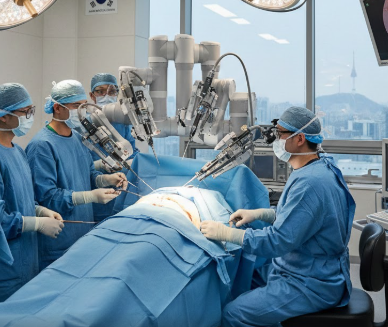
Treatment Overview
Radical bladder tumor removal, medically known as radical cystectomy, is the definitive surgical treatment for advanced or high-risk bladder cancer. Korea has established itself as one of the world’s top destinations for bladder cancer surgery, with internationally trained urologic oncologists, cutting-edge robotic systems, and advanced postoperative rehabilitation protocols that significantly improve survival and functional outcomes.
This surgery usually involves removal of the entire bladder, nearby lymph nodes, and when required, surrounding organs. Korean hospitals utilize minimally invasive robotic and laparoscopic technologies, ensuring less blood loss, faster mobilization, and improved recovery for international patients. With world-class cancer centers and streamlined medical-tourism services, Korea provides safe, efficient, and high-precision radical bladder tumor removal for adults from all regions.
Purpose & Benefits
Purpose of Radical Bladder Tumor Removal
The goal of radical cystectomy is complete eradication of bladder cancer, especially when tumors are muscle-invasive, recurrent, or high-grade. The surgery prevents further tumor spread and improves long-term survival.
Key Benefits
- High cure rate for muscle-invasive bladder cancer when performed in advanced cancer centers.
- Reduced recurrence risk due to complete organ and lymphatic removal.
- Robotic precision that preserves nerves, reduces complications, and enhances surgical accuracy.
- Custom urinary diversion options to maintain quality of life after bladder removal.
- Multidisciplinary treatment integrating oncology, pathology, radiology, and reconstructive surgery.
- Rapid recovery supported by advanced pain control and enhanced recovery after surgery (ERAS) protocols.
Ideal Candidates
Suitable for Patients With:
- Muscle-invasive bladder cancer (MIBC)
- High-grade non-muscle invasive cancer not responding to BCG
- Large or multiple recurrent tumors
- Bladder cancer associated with carcinoma in situ (CIS)
- Tumors invading the bladder wall or near the ureteral openings
- Patients seeking high-precision surgery with long-term survival benefits
Potential Exclusions
- Severe cardiopulmonary diseases that limit anesthesia
- Patients with widespread metastatic cancer
- Individuals medically unfit for major abdominal surgery
Possible Risks & Complications
Although Korea maintains excellent surgical outcomes and low complication rates, radical bladder tumor removal is a major surgery with inherent risks.
General Surgical Risks
- Bleeding
- Infection
- Blood clots
- Adverse reactions to anesthesia
Procedure-Specific Risks
- Leakage from urinary diversion
- Temporary or long-term bowel changes
- Reduced sexual or reproductive function
- Postoperative ileus (temporary bowel paralysis)
- Narrowing or blockage of the new urinary pathway (stoma or neobladder issues)
Long-Term Considerations
- Lifelong monitoring using imaging and blood tests
- Adaptation to urinary diversion system
- Possible need for supplemental adjuvant therapy (chemotherapy or immunotherapy)
Techniques & Technology Used
Korea is recognized worldwide for excellence in minimally invasive oncologic surgery. Radical bladder tumor removal can be performed using multiple techniques depending on the patient’s condition.
Robotic Radical Cystectomy
- Performed using the Da Vinci Robot System
- Provides high-definition 3D visualization and tremor-free instrument control
- Enhances nerve preservation and lymph node dissection
- Minimizes blood loss and postoperative pain
- Offers faster healing and shorter hospitalization
Laparoscopic Radical Cystectomy
- Fully minimally invasive
- Used for selected cases requiring small incisions
- Offers cosmetic benefits and quicker recovery compared to open surgery
Open Radical Cystectomy
- Best for complex or advanced tumors
- Allows wide exposure and precise manual dissection
- Korean surgeons maintain excellent outcomes due to extensive experience
Urinary Diversion Options Offered in Korea
- Ileal conduit urinary diversion
- Orthotopic neobladder construction (creates a new bladder using intestinal tissue)
- Continent catheterizable pouch
These reconstructive techniques give patients long-term flexibility and quality-of-life options after bladder removal.
Advanced Imaging & Diagnostics in Korea
- Blue-light cystoscopy
- NBI (Narrow Band Imaging)
- Multi-phase CT urography
- MRI urography with 3D reconstruction
- PET-CT for staging and metastasis detection
These technologies ensure accurate staging and complete tumor removal.
Treatment Process in Korea
Korea offers a streamlined and transparent medical tourism pathway for bladder cancer patients.
Step 1: Pre-Arrival Consultations
- Review of medical history, biopsy reports, and imaging
- Online consultations with urologic oncologists
- Pre-arrival treatment planning and cost estimation
Step 2: Comprehensive In-Hospital Evaluation
Upon arrival, patients undergo:
- Cystoscopy
- MRI or CT scans
- Blood tests and cardiac evaluation
- Lymph node assessment
- Genetic testing (if necessary)
Step 3: Multidisciplinary Tumor Board Review
A team of oncologists, surgeons, radiologists, and pathologists develops a customized treatment plan that may include:
- Radical cystectomy
- Neoadjuvant chemotherapy
- Lymph-node dissection strategy
- Urinary diversion options
Step 4: Radical Bladder Tumor Removal Surgery
Performed by expert urologic oncologists using robotic or minimally invasive techniques. Surgery typically lasts 3–6 hours depending on complexity.
Step 5: Postoperative Care
- Intensive monitoring for 1–2 days
- Early mobilization
- Pain management
- Bowel function stabilization
- Stoma or neobladder training (if applicable)
Step 6: Discharge & Follow-Up
- Hospital stay: 5–10 days depending on surgical type
- Follow-up cytology, imaging, and tumor monitoring
- Long-term rehabilitation support
Recovery & After-Care
Hospital Recovery Timeline
- Robotic surgery: 5–7 days
- Laparoscopic surgery: 6–8 days
- Open surgery: 7–10 days
Full Recovery
- 6–8 weeks for minimally invasive surgery
- Up to 10–12 weeks for open surgery
After-Care Components
- Gradual introduction of movement and diet
- Preventing infection at incision or stoma site
- Training for new urinary diversion
- Routine imaging and cystoscopic surveillance
- Emotional and psychological support
Quality-of-Life Management
Korea provides specialized rehabilitation programs for:
- Neobladder function improvement
- Sexual function recovery
- Continence training
- Long-term stoma care for ileal conduit patients
Results & Longevity
Korea’s bladder cancer treatment outcomes are internationally competitive, with high survival rates and low recurrence rates due to meticulous surgical precision.
Expected Clinical Outcomes
- Excellent tumor control in muscle-invasive bladder cancer
- High accuracy in lymph node removal
- Low complication rates due to advanced robotic technology
- Strong long-term survival benefit when combined with chemotherapy
Long-Term Prognosis
- Many patients achieve long-term cancer-free survival
- Patients with neobladder reconstruction regain near-normal urinary function
- Korean centers offer continuous monitoring to detect any recurrence early
Why Korea Is a Top Destination
Korea stands among the world’s best countries for complex urologic oncology surgery.
Major Advantages
- Globally recognized urologic oncology surgeons
- Korea’s leadership in robotic radical cystectomy
- Cutting-edge imaging and tumor detection tools
- Short waiting times and transparent medical travel programs
- Premium hospital facilities with English-speaking coordinators
- Lower overall treatment costs compared to the US, Japan, or Singapore
Korean hospitals combine technical precision, high surgical volume, and patient-centered care—key ingredients for superior bladder cancer surgery outcomes.
Cost of Radical Bladder Tumor Removal in Korea
Costs vary depending on technique, diversion type, hospital selection, and cancer stage.
Typical Cost Range
- Robotic Radical Cystectomy: USD 20,000 – 35,000
- Laparoscopic Radical Cystectomy: USD 15,000 – 25,000
- Open Radical Cystectomy: USD 12,000 – 22,000
Cost Inclusions
- Preoperative evaluation
- Surgeon and anesthesia fees
- Operating room charges
- Hospital stay (5–10 days)
- Pathology and laboratory studies
- Postoperative rehabilitation support
Popular Clinics & Hospitals in Korea
- Asan Medical Center (AMC)
- Samsung Medical Center
- Severance Hospital (Yonsei University)
- Seoul National University Hospital (SNUH)
- Gangnam Severance Hospital
- Korea University Anam Hospital
- Catholic University Seoul St. Mary’s Hospital


