
Treatment Overview
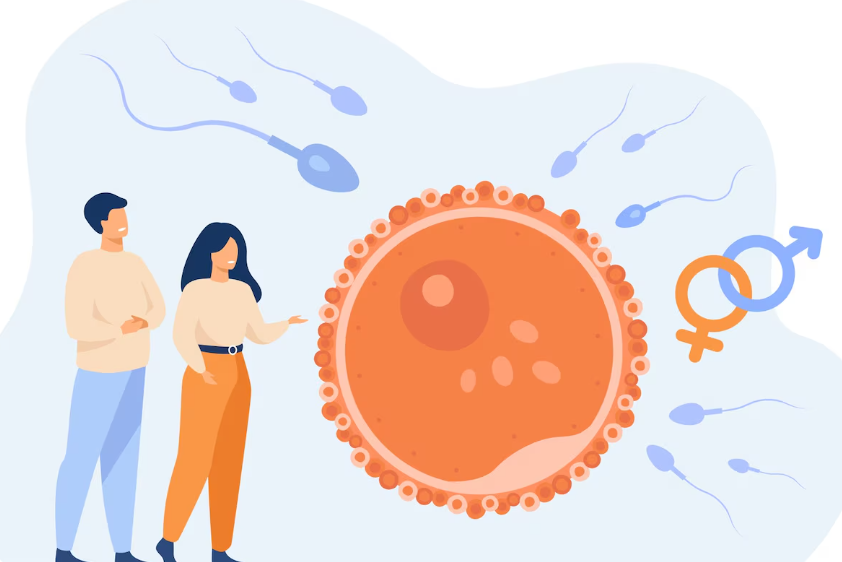
Recombinant FSH Ovulation Induction is a highly precise fertility treatment that uses lab-engineered Follicle-Stimulating Hormone (FSH) to stimulate the ovaries and promote the growth of high-quality eggs. Unlike traditional urinary FSH products, recombinant FSH is created using biotechnological DNA techniques, producing a pure and consistent hormone that mimics the body’s natural FSH with exceptional accuracy.
In Korea, this therapy represents the gold standard in modern ovulation induction, forming the foundation of IUI (Intrauterine Insemination), IVF (In Vitro Fertilization), and assisted fertility programs. Korean fertility specialists use AI-based hormone tracking, real-time ultrasound monitoring, and individualized dosing to ensure safe, effective, and personalized stimulation cycles.
With Korea’s world-leading reproductive technology and clinical expertise, Recombinant FSH therapy delivers unparalleled precision, safety, and pregnancy outcomes for both local and international patients.
Purpose & Benefits
The purpose of Recombinant FSH Ovulation Induction is to regulate ovarian activity and enhance egg production for optimal fertility results.
Key Benefits Include:
- Promotes controlled follicular growth and egg maturation
- Offers consistent hormone purity with predictable response
- Improves egg quality and quantity for IVF or IUI
- Allows precise dose control for individualized treatment
- Reduces risk of allergic reactions or contamination
- Ensures better cycle predictability than urinary-derived hormones
- Achieves higher pregnancy and fertilization rates in assisted reproduction
Korean fertility clinics favor recombinant FSH for its safety, efficacy, and scientific reliability, particularly in complex or high-value fertility cycles.
Ideal Candidates
Recombinant FSH Ovulation Induction is recommended for women who:
- Have irregular or absent ovulation (anovulation)
- Are undergoing IVF, ICSI, or IUI treatments
- Have low ovarian reserve or diminished follicular response
- Experience PCOS or hormonal imbalances that affect ovulation
- Have not responded to oral ovulation medications (like Clomiphene or Letrozole)
- Are pursuing fertility preservation or egg freezing
- Require high precision in hormonal stimulation and follicular monitoring
This therapy is ideal for women seeking safe, modern, and highly controlled ovulation induction under expert supervision.
Possible Risks & Complications
Recombinant FSH is well-tolerated when monitored carefully by a fertility specialist. However, as with all hormone-based treatments, some mild and temporary effects can occur.
Possible Side Effects Include:
- Mild bloating or abdominal tenderness
- Temporary mood fluctuations or fatigue
- Ovarian enlargement during stimulation (controlled via dosage)
- Rare cases of Ovarian Hyperstimulation Syndrome (OHSS)
- Minimal risk of multiple pregnancy (twins or triplets)
Korean fertility centers prevent complications through low-dose, step-up stimulation protocols and continuous ultrasound and hormone tracking.
Diagnostic Techniques Used
Before and during recombinant FSH therapy, Korean fertility specialists use advanced diagnostic and monitoring systems to personalize the treatment process.
Common Diagnostic Methods Include:
- Baseline Hormone Assessment (Cycle Day 2–3): FSH, LH, AMH, and Estradiol (E2) levels.
- Antral Follicle Count (AFC): Ultrasound evaluation of ovarian reserve.
- Serial Ultrasound Scans: To track follicle size and growth.
- Estradiol Monitoring: Determines follicular response to stimulation.
- LH and Progesterone Testing: Confirms ovulation readiness.
- AI Hormone Pattern Analysis: Used in top Korean clinics for real-time dose adjustment and risk reduction.
These diagnostics enable precise hormonal management and ensure patient safety throughout the stimulation process.
Recovery & Aftercare
Recombinant FSH Ovulation Induction is an outpatient-based treatment that requires no recovery period.
Aftercare Recommendations:
- Follow the injection schedule and dosage exactly as prescribed.
- Attend all monitoring appointments for hormone tests and ultrasounds.
- Maintain a healthy diet and hydration to support ovarian function.
- Avoid heavy exercise or stress during the stimulation period.
- Report any discomfort, bloating, or unusual symptoms promptly.
Korean fertility clinics provide continuous aftercare with real-time communication channels and post-cycle evaluations to ensure the best possible outcomes.
Results & Interpretation
Recombinant FSH therapy delivers consistent, measurable improvements in follicular development and pregnancy success rates.
Expected Results Include:
- Growth of multiple healthy follicles per cycle
- Predictable hormonal response and ovulation timing
- Improved egg quality for fertilization
- Pregnancy rates: 20–30% per cycle (higher when combined with IUI/IVF)
- Reduced cycle variability and better cumulative conception outcomes
Korean fertility experts analyze results after each cycle using hormonal profiles, ultrasound data, and embryo quality indicators, refining subsequent cycles for enhanced success.
Treatment Process in Korea
Korea’s fertility programs are globally recognized for their scientific precision and patient-centered approach.
Typical Recombinant FSH Ovulation Induction Process in Korea:
- Initial Consultation & Testing: Hormone and fertility assessment.
- Cycle Day 2–3: Begin recombinant FSH injections under clinic supervision.
- Monitoring Phase: Ultrasound and blood tests every 2–3 days to track follicular growth.
- Dose Adjustments: AI-guided personalization of injection amounts for safety.
- Ovulation Trigger: hCG or GnRH agonist administered once follicles reach maturity.
- Timed Intercourse / IUI / IVF Egg Retrieval: Scheduled 34–36 hours post-trigger.
- Luteal Phase Support: Progesterone therapy provided after ovulation or retrieval.
Why Korea is a Top Destination for Recombinant FSH Ovulation Induction:
- AI-assisted hormone control systems for precision dosing
- World-class embryology and endocrine laboratories
- Low-risk, patient-specific stimulation protocols
- High IVF and IUI success rates with recombinant FSH cycles
- Affordable, transparent fertility packages with international patient support
Korean fertility centers combine advanced medicine, technology, and compassionate care, providing some of the most successful and safest fertility treatments worldwide.
Cost Range
The cost of Recombinant FSH Ovulation Induction in Korea varies depending on medication dosage, number of monitoring visits, and whether it’s used for natural conception, IUI, or IVF.
- Basic Recombinant FSH Cycle (Consultation + Injections): USD $800 – $1,200
- Comprehensive Ovulation Induction (Monitoring + Trigger + Luteal Support): USD $1,200 – $1,800
- Recombinant FSH + IVF Program: USD $2,500 – $4,000
Korean fertility clinics provide package-based pricing, ensuring affordability while maintaining world-class treatment standards.
Popular Clinics in Korea for Recombinant FSH Ovulation Induction
CHA Fertility Center (Seoul): Internationally recognized for advanced recombinant FSH cycles and personalized IVF stimulation.
Maria Fertility Hospital: Specializes in low-dose FSH induction and cycle monitoring for PCOS and low ovarian reserve.
MizMedi Women’s Hospital: Offers real-time hormone tracking with AI-assisted FSH dosing.
Seoul National University Hospital – Fertility Center: Research pioneer in reproductive hormone optimization and FSH protocol refinement.
ID Women’s Health Center: Known for individualized FSH-based stimulation and precision ovulation management.


