
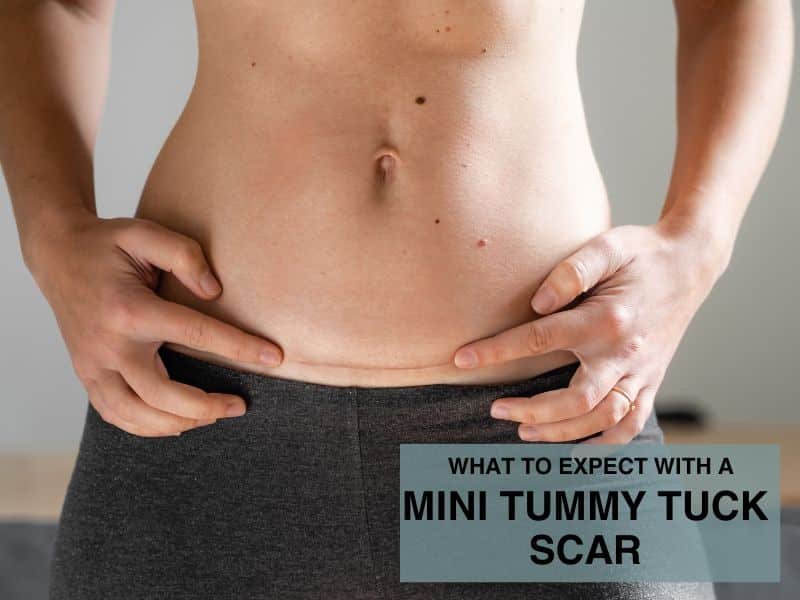
Undergoing a tummy tuck (abdominoplasty) can be more complicated for patients with underlying medical conditions. Fortunately, many Korean plastic surgery clinics are renowned for their meticulous pre-op screenings, advanced surgical techniques, and structured recovery protocols—making them a trusted destination for medically complex patients.
1. Pre-Surgery Optimization
Top Korean clinics place strong emphasis on comprehensive preoperative evaluation. This includes:
- Detailed lab tests, ECG, and chest X-ray
- Consultations with specialists (e.g., cardiologists or endocrinologists) for patients with hypertension, diabetes, or autoimmune disorders
- Weight management support if BMI is elevated
- Medication adjustments under medical supervision
👉 Tip: Patients are often advised to arrive in Korea 7–10 days before surgery to complete evaluations and stabilize any existing conditions.
2. Customized Surgical Planning
Medically complex patients benefit from:
- Modified techniques to minimize operative time and blood loss
- Combination with liposuction cautiously to reduce fluid shifts and preserve tissue integrity
- Use of long-acting local anesthetics to reduce post-op pain and reliance on narcotics
Many Korean surgeons also use progressive tension sutures to minimize the need for drains and reduce the risk of seromas (fluid buildup)—a common complication in high-risk patients.
3. Intensive Post-Op Monitoring
Korean clinics often provide in-clinic recovery suites with 24-hour nursing staff, especially for patients with comorbidities. This allows:
- Close monitoring of vitals, blood glucose, and wound status
- Early intervention in case of complications (e.g., poor wound healing or blood pressure spikes)
- Coordinated care with internists or family medicine doctors
👉 Tip: Ask if the clinic offers post-op ICU-style observation for 24–48 hours after surgery.
4. Nutrition and Wound Healing Support
Leading Korean clinics may offer:
- IV nutrient therapy (glutathione, Vitamin C, zinc) to support tissue healing
- Anti-inflammatory and immune-modulating supplements
- Personalized diet planning, especially for diabetic or hypertensive patients
👉 Tip: Follow the clinic’s post-op diet protocol strictly. High-protein, low-sodium meals can reduce swelling and promote healing.
5. Compression and Activity Guidelines
For medically complex patients, balance is key:
- Wear medical-grade compression garments as advised (typically 4–6 weeks)
- Begin gentle ambulation within 24 hours to prevent blood clots, but avoid overexertion
- Avoid smoking and alcohol, which can significantly impair healing
👉 Tip: Korean clinics may incorporate lymphatic massage or radiofrequency therapy after the first 2–3 weeks to accelerate recovery and reduce fibrosis.
6. Extended Follow-Up & Virtual Check-ins
Because many international patients return home after surgery, Korean clinics offer:
- Regular virtual consultations during the first 3 months
- Photo-based wound checks to assess healing progress
- Emergency response plans, including communication with local physicians if needed
Final Thoughts:
Korean plastic surgery clinics are uniquely equipped to handle medically complex tummy tuck patients through precise diagnostics, holistic care plans, and advanced post-op monitoring. If you have existing health issues, be transparent with your surgeon and follow every guideline diligently. Recovery may be slower—but with the right care, the results can still be outstanding and safe.


