
Treatment Overview
Rejuran Healer is a Korean skin booster made with polynucleotides (PN) derived from salmon DNA, designed to repair, regenerate, and restore skin at the cellular level. Unlike fillers, it doesn’t add volume but instead improves the skin’s natural healing process, elasticity, and structure.
It is often compared with Filorga NCTF 135HA, a French mesotherapy cocktail with hyaluronic acid and over 50 active ingredients:
- Rejuran Healer: Focuses on cell regeneration, healing, and scar repair.
- Filorga NCTF: Focuses on hydration, collagen stimulation, and anti-aging nutrition.
Dermatologists in Korea often combine them—Rejuran for deep repair + NCTF for hydration and glow.
Purpose & Benefits
- DNA Repair & Regeneration: PN repairs damaged cells and strengthens skin structure.
- Collagen Production: Improves elasticity and firmness.
- Wrinkle Reduction: Softens fine lines naturally.
- Scar & Texture Improvement: Effective for acne scars and enlarged pores.
- Anti-Inflammatory Effect: Calms sensitive or redness-prone skin.
- Hydration: Supports long-term moisture retention.
- Synergy with NCTF: Rejuran repairs skin DNA, while NCTF hydrates and stimulates fibroblasts.
Ideal Candidates
Rejuran Healer in Korea is recommended for:
- Adults in their 20s–60s seeking skin repair and rejuvenation.
- Patients with acne scars, wrinkles, redness, or thin fragile skin.
- Those comparing Rejuran vs Filorga NCTF:
- Rejuran Healer: Best for repair, scars, and long-term regeneration.
- Filorga NCTF: Best for hydration, glow, and anti-aging nutrition.
- People who want combination boosters for both structural healing and surface radiance.
Possible Risks & Complications
Rejuran is safe in Korea’s dermatology clinics, but temporary effects may occur:
- Redness or Pinpoint Bumps: “Mosquito bite” look for 24–48 hours.
- Mild Swelling or Tenderness: Normal post-injection reaction.
- Bruising: Temporary and injection-related.
- Rare Risks: Allergic response is extremely rare due to purification.
Techniques Used
- Micro-Injections: PN placed into the dermis for repair.
- Meso-Gun Delivery: Ensures even and controlled application.
- Targeted Mapping: Focus on scars, wrinkles, or sensitive skin.
- Combination Therapy: Commonly paired with NCTF, exosomes, or PRP.
- Multi-Session Protocol: Typically 3–4 sessions spaced 3–4 weeks apart.
Recovery & Aftercare
- Immediately: Redness and bumps visible but harmless.
- 1–3 Days: Skin calms; hydration and healing begin.
- 2–4 Weeks: Fine lines reduce, elasticity improves, scars fade.
- Maintenance: Every 6–9 months recommended for best results.
Aftercare Tips:
- Avoid makeup for 24 hours.
- Apply SPF 50+ daily.
- Keep skin moisturized with gentle serums.
- Avoid alcohol, saunas, or heavy exercise for 1–2 days.
Results & Longevity
- Immediate: Slight hydration and smoother skin feel.
- Short-Term (2–4 Weeks): Noticeable repair, glow, and scar reduction.
- Medium-Term (2–3 Months): Collagen remodeling and wrinkle softening.
- Long-Term: Results last 6–9 months, extended when paired with NCTF.
Treatment Process in Korea
- Consultation & Skin Analysis – Doctor evaluates scars, wrinkles, and skin sensitivity.
- Preparation – Cleansing, numbing cream applied.
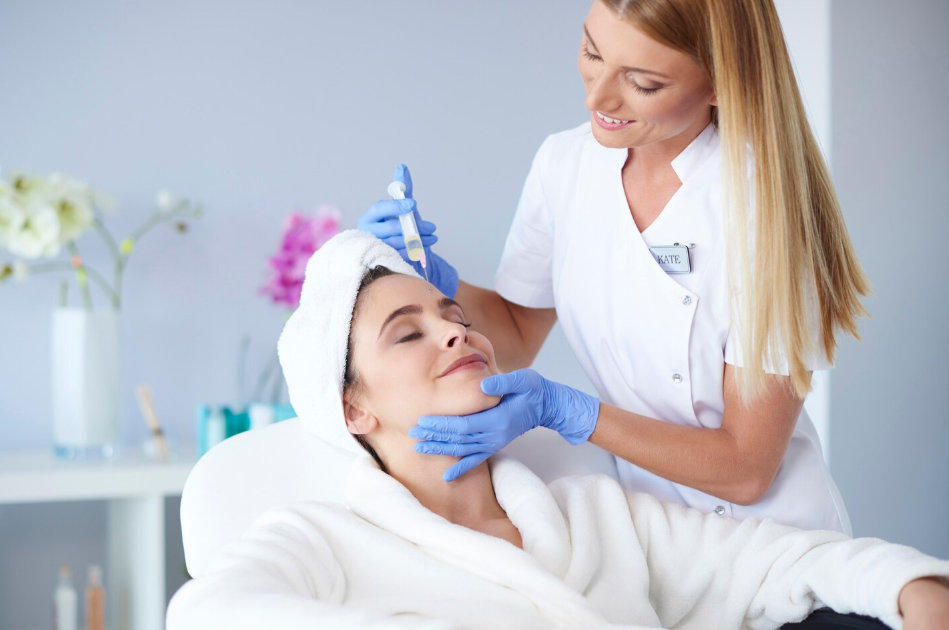
- Injection Session – Rejuran Healer injected via meso-gun or fine needles.
- Optional Add-On: Filorga NCTF for hydration and anti-aging support.
- Post-Care: Cooling mask, LED light therapy, soothing serums.
- Follow-Up: 3–4 sessions over 2–3 months for maximum effect.
Why Korea is a Top Destination
- Korea is the birthplace of Rejuran and other PN boosters.
- Access to authentic, KFDA-approved Rejuran and NCTF products.
- Dermatologists specialize in customized PN + HA treatment protocols.
- Costs are more affordable compared to Western clinics, with higher expertise.
- Seoul is renowned for scar repair, anti-aging, and “glass skin” treatments.
Cost Range (Detailed Breakdown)
Pricing for Rejuran Healer in Korea depends on treatment area and package:
- Single Session (full face): USD 300 – 600
- 3-Session Package (recommended): USD 900 – 1,500
- Rejuran + Filorga NCTF Combo: USD 700 – 1,500 per session
- Luxury Repair Package (Rejuran + NCTF + PRP/Exosomes): USD 2,000 – 3,800
Additional Costs in Korea:
- Consultation: USD 20 – 50
- Numbing & post-care: USD 20 – 40
- Add-ons (PDO threads, PRP, exosomes): USD 200 – 800
💡 Patients often call Rejuran the “DNA repair healer” and Filorga NCTF the “hydration glow booster.” Together, they deliver both deep repair and surface radiance.
Popular Clinics
- Banobagi Dermatology (Seoul): Leading clinic for Rejuran scar repair + NCTF glow therapy.
- Oracle Dermatology (Seoul): Specializes in Rejuran anti-aging + NCTF synergy.
- Renewme Skin Clinic (Seoul): Known for acne-prone skin protocols with Rejuran.
- View Plastic & Dermatology (Seoul): Combines Rejuran with PRP, threads, and NCTF.
- Chaum Anti-Aging Center (Seoul): Premium Rejuran + NCTF anti-aging programs.


