
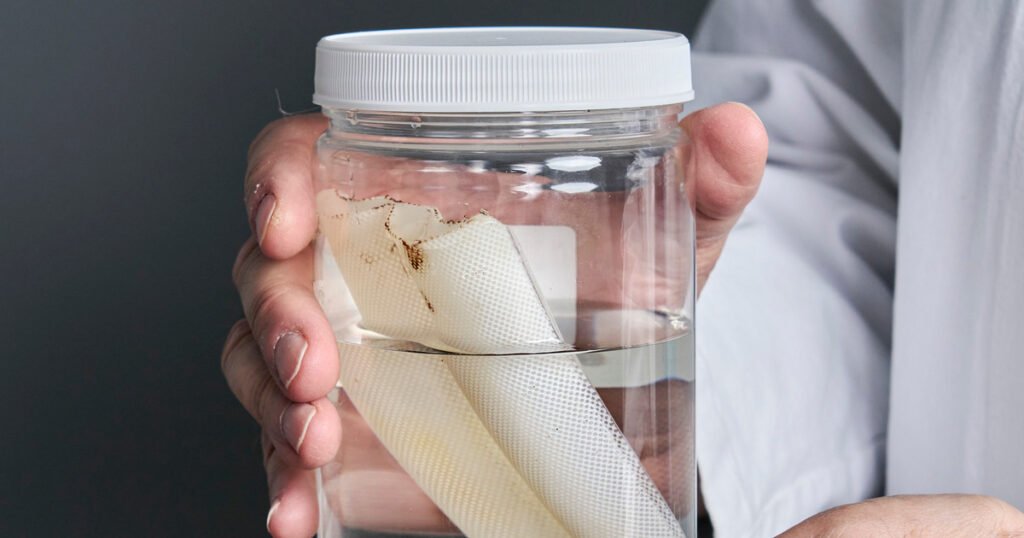
Common Risks Associated with Penile Enlargement Procedures
1. Infection
- Cause:
Poor sterilization, improper aftercare, or use of non-sterile equipment. - Consequences:
Redness, swelling, pain, discharge, and in severe cases, systemic infection. - Prevention:
Choose clinics with strict hygiene protocols and follow post-op care instructions carefully.
2. Hematoma and Bruising
- Cause:
Blood vessel damage during surgery or injections. - Consequences:
Painful swelling, discoloration, and prolonged recovery. - Prevention:
Avoid blood-thinning medications prior to surgery and follow surgeon’s advice on activity restrictions.
3. Asymmetry or Uneven Results
- Cause:
Unequal filler placement, uneven fat graft absorption, or surgical imprecision. - Consequences:
Visible irregularities in size or shape, potentially requiring revision. - Prevention:
Choose experienced surgeons with proven expertise in penile procedures.
4. Allergic Reactions
- Cause:
Reaction to fillers or anesthesia. - Consequences:
Swelling, itching, rash, or more severe systemic symptoms. - Prevention:
Disclose allergies during consultation and ensure use of FDA-approved, biocompatible materials.
5. Nerve Damage or Loss of Sensation
- Cause:
Surgical trauma or filler pressure on nerves. - Consequences:
Temporary or permanent numbness, altered sensation. - Prevention:
Skilled surgical technique and cautious filler injection.
6. Scarring and Tissue Damage
- Cause:
Surgical incisions, excessive filler volume, or infection. - Consequences:
Unfavorable scars, fibrosis, or lumps. - Prevention:
Proper surgical technique, gradual volume enhancement, and infection prevention.
7. Psychological Impact
- Cause:
Unrealistic expectations or dissatisfaction with results. - Consequences:
Anxiety, depression, or body image issues. - Prevention:
Thorough pre-op counseling and setting realistic goals.
Safety Tips for International Patients
1. Thoroughly Research Your Clinic and Surgeon
- Check surgeon credentials, certifications, and specialization in penile enlargement.
- Read verified patient reviews and view before/after photos.
- Verify clinic accreditation (e.g., JCI certification) and compliance with international safety standards.
2. Consult Extensively Before Booking
- Use virtual consultations to ask about procedures, risks, aftercare, and surgeon experience.
- Be honest about your medical history, allergies, and expectations.
- Request detailed procedure plans and post-op instructions in your language.
3. Verify the Materials Used
- Ensure fillers or implants are FDA-approved or certified by reputable medical agencies.
- Avoid clinics offering “cheap” or unknown filler substances that may be unsafe.
4. Understand the Procedure and Recovery Timeline
- Know the expected swelling, bruising, and downtime.
- Plan your travel and accommodation accordingly, allowing enough recovery time before flying home.
5. Prepare for Post-Operative Care
- Arrange a comfortable recovery environment near the clinic.
- Follow all care instructions meticulously, including hygiene, medication, and activity restrictions.
- Avoid sexual activity and strenuous exercise until cleared by your surgeon.
6. Plan for Emergency Situations
- Have contact details of your surgeon or clinic for immediate consultation if complications arise.
- Know the location of nearby hospitals or clinics in case urgent care is needed.
- Consider purchasing international medical travel insurance covering surgery complications.
7. Avoid Combining Procedures Without Professional Advice
- Combining penile enlargement with other procedures may increase risks.
- Discuss any additional treatments thoroughly with your surgeon.
8. Be Wary of Unrealistic Promises
- Avoid clinics guaranteeing extreme size increases or “permanent” results without risks.
- Understand that penile enlargement has limitations and results vary per individual.
Additional Considerations for International Patients
Language and Communication
- Ensure clear communication with your medical team. Use professional translators if necessary.
- Confirm all instructions and consent forms are understood before signing.
Travel-Related Risks
- Long flights shortly after surgery can increase the risk of blood clots and swelling.
- Plan for adequate time between surgery and return flights.
Cultural and Legal Differences
- Be aware of the legal status of penile enlargement procedures in your destination country.
- Understand cultural norms regarding cosmetic procedures and patient privacy.
Summary Checklist for Safe Penile Enlargement Surgery Abroad
| Safety Step | Action |
|---|---|
| Research | Verify surgeon credentials, clinic reputation, and patient reviews. |
| Consultation | Have thorough pre-op discussions, disclose health info, and set realistic expectations. |
| Materials | Confirm use of approved fillers or implants. |
| Recovery Planning | Arrange adequate downtime, accommodation, and post-op care. |
| Emergency Preparedness | Have surgeon contact info, nearest hospital details, and travel insurance. |
| Communication | Use clear language or translator support to avoid misunderstandings. |
| Follow Instructions | Strictly follow all aftercare guidelines provided by your surgeon. |


