
Treatment Overview
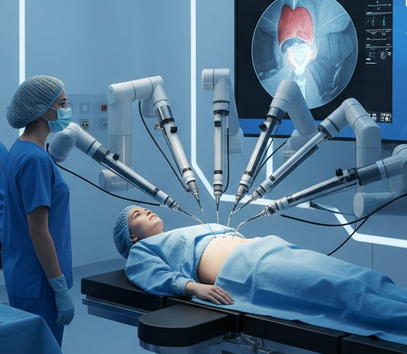
The Robot-Assisted Laparoscopic Tubal Ligation in Korea is one of the most advanced sterilization procedures available today. This technique combines robotic surgical systems with high-definition laparoscopic visualization to permanently block or remove the fallopian tubes with exceptional precision. Robotic assistance enhances dexterity, accuracy, and control, reducing the risk of complications while improving patient recovery outcomes.
Korea is a global leader in robotic-assisted gynecologic surgery due to its state-of-the-art surgical systems, highly trained robotic surgeons, and innovative patient care models, making it a top destination for this procedure.
Purpose & Benefits
Purpose:
- Offer permanent contraception with unmatched precision
- Utilize robotic technology to minimize surgical trauma
- Ensure faster recovery with minimal invasiveness
- Protect surrounding pelvic structures and nerves
Benefits:
- Extremely precise sterilization with enhanced surgical control
- Minimal postoperative discomfort
- Shorter recovery time compared to traditional methods
- Minimal scarring due to small incisions
- Reduced risk of complications
- High long-term success rate
- Improved patient comfort and satisfaction
Ideal Candidates
Robot-assisted laparoscopic tubal ligation is ideal for women who:
- Have chosen permanent contraception
- Prefer a minimally invasive surgery with robotic precision
- Want the highest level of surgical accuracy and safety
- Desire a quick recovery with minimal postoperative discomfort
Korean hospitals require a comprehensive preoperative assessment, including Pap smear, pelvic ultrasound, and consultation with a robotic surgery specialist, to ensure optimal surgical planning.
Possible Risks & Complications
Although robotic-assisted procedures are highly safe, possible risks include:
- Mild postoperative pain or cramping
- Minor bleeding or bruising at incision sites
- Infection
- Rare injury to surrounding pelvic organs
- Reaction to anesthesia
- Rare ectopic pregnancy if sterilization fails
- Emotional concerns regarding permanent sterilization
Korea’s advanced robotic surgical systems and safety protocols minimize these risks significantly.
Surgical Techniques Used
Korean surgeons use advanced robotic-assisted laparoscopic methods for tubal ligation:
- High-Definition Laparoscopic Imaging: Provides ultra-clear, magnified visuals of the pelvic area.
- Robotic Surgical Arms: Deliver precise movements for delicate dissection and occlusion of fallopian tubes.
- Energy-Controlled Tubal Occlusion or Salpingectomy: Ensures safe and permanent sterilization.
- Single-Port Robotic Laparoscopy (Optional): Minimizes scarring and enhances recovery.
- Microsurgical Precision: Reduces tissue trauma and preserves pelvic health.
These methods allow the surgeon to perform sterilization with exceptional control and accuracy.
Recovery & Aftercare
Recovery from robot-assisted laparoscopic tubal ligation is typically quick, with most patients resuming normal activity within 2–3 days and complete healing within 1–2 weeks.
Aftercare includes:
- Rest during the first days after surgery
- Avoiding heavy lifting and strenuous activity for at least 1–2 weeks
- Avoiding sexual intercourse until approved by the surgeon
- Monitoring incision sites for signs of infection
- Follow-up visits to confirm surgical success
- Guidance on pelvic health and recovery exercises
Korean clinics provide comprehensive recovery programs, including pain management and tailored postoperative guidance.
Results & Longevity
Robot-assisted laparoscopic tubal ligation offers:
- Permanent sterilization with success rates exceeding 99%
- Minimal postoperative pain and scarring
- Reduced recovery time
- Low complication rates
- Long-lasting contraception
- Enhanced pelvic health preservation
- High patient satisfaction due to precision and comfort
Korea’s expertise in robotic-assisted surgery ensures superior, reliable, and long-term results.
Treatment Process in Korea
- Initial Consultation: Review of medical history, reproductive goals, and explanation of robotic-assisted options.
- Preoperative Assessment: Pap smear, pelvic ultrasound, and health evaluation.
- Surgical Planning: Determination of the best robotic-assisted laparoscopic technique.
- Robot-Assisted Laparoscopic Tubal Ligation: Performed with high-definition visualization and robotic precision.
- Postoperative Care: Pain control, wound monitoring, and recovery guidance.
- Follow-Up: Confirmation of sterilization and recovery progress.
Korean hospitals offer international patient packages that include interpreter services, accommodation, transport, and aftercare support.
Cost Range
The Robot-Assisted Laparoscopic Tubal Ligation in Korea generally ranges from USD 7,000 to 12,000, depending on:
- Complexity of the procedure
- Surgical technology used
- Hospital and surgeon reputation
- Inclusion of anesthesia, facility fees, and recovery packages
Many hospitals in Korea provide all-inclusive packages for international patients to ensure transparency and convenience.
Popular Clinics
- Samsung Medical Center (Seoul): Pioneer in robotic-assisted gynecologic surgery with high success rates.
- Asan Medical Center (Seoul): Offers advanced robotic-assisted sterilization with precision guidance.
- Severance Hospital (Yonsei University, Seoul): Specialist in minimally invasive robotic gynecologic procedures.
- CHA Gangnam Medical Center: Known for excellence in robotic-assisted laparoscopic sterilization.
- Ewha Womans University Medical Center: Offers patient-focused robotic-assisted sterilization with holistic recovery care.


