
Treatment Overview
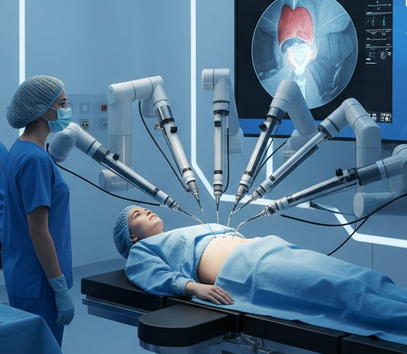
The Robot-Assisted Laparoscopic Tubal Reversal in Korea is a state-of-the-art fertility restoration procedure that reconnects previously ligated or blocked fallopian tubes using robot-assisted microsurgery. This advanced technique combines robotic precision with high-definition laparoscopic imaging, allowing surgeons to perform delicate reconnections with unmatched accuracy, minimal tissue trauma, and optimal outcomes.
Korea is a global leader in robotic gynecologic surgery, offering cutting-edge robotic platforms, highly skilled surgeons, and advanced microsurgical protocols. This makes it one of the top destinations for women seeking tubal reversal with the highest precision and safety standards.
Purpose & Benefits
Purpose:
- To restore natural fertility by reconnecting fallopian tubes previously blocked or ligated
- To use robotic precision to enhance surgical accuracy and patient safety
Benefits:
- High success rates in restoring tubal patency and natural conception
- Minimal tissue trauma and reduced risk of adhesions
- Shorter operative time and enhanced precision
- Reduced postoperative pain and faster recovery
- Minimally invasive with small, discreet incisions
- Preservation of reproductive anatomy
- High patient satisfaction due to accuracy and reduced complications
Ideal Candidates
Robot-assisted laparoscopic tubal reversal is ideal for women who:
- Have had tubal ligation and wish to conceive naturally
- Have sufficient remaining tubal length and healthy pelvic anatomy
- Prefer a minimally invasive approach with the highest precision
- Desire a procedure performed in a facility with advanced robotic systems
- Choose Korea for its expertise in robotic gynecologic surgery
Candidates undergo detailed fertility assessment, imaging, and health evaluation to ensure the procedure is suitable.
Possible Risks & Complications
While robot-assisted surgery is highly safe, potential risks include:
- Mild pelvic discomfort or cramping
- Minor bleeding or infection at incision sites
- Scar tissue formation affecting tubal patency
- Rare failure of tubal reconnection
- Low risk of injury to nearby structures
Korean robotic centers use advanced imaging and robotic control to minimize these risks.
Surgical Techniques Used
Korean surgeons use advanced robotic-assisted laparoscopic methods for tubal reversal:
- Robotic-Assisted High-Definition Laparoscopy: Offers superior 3D visualization and magnification.
- Precision Microsuturing: Robotic instruments allow extremely fine suturing of delicate tubal tissues.
- Minimally Invasive Access: Small, discreet incisions reduce scarring and pain.
- Ultrasonic or Bipolar Energy Devices: Ensure precise sealing of tubal ends with minimal thermal spread.
- Adhesion Prevention Measures: Improve fertility outcomes and recovery.
This advanced approach positions Korea as a global leader in robotic-assisted reproductive surgery.
Recovery & Aftercare
Patients are typically discharged within 24–48 hours and can resume light activities within 3–5 days. Full recovery usually occurs within 2–3 weeks.
Aftercare includes:
- Rest during the early postoperative period
- Avoiding heavy lifting and strenuous activity for several weeks
- Keeping incision sites clean and dry
- Taking prescribed medications and following recovery instructions
- Attending follow-up visits to confirm tubal patency and monitor fertility progress
Many Korean clinics provide structured postoperative care programs including physiotherapy, nutritional guidance, and fertility counseling.
Results & Longevity
- High success rates for restoring natural fertility
- Minimal postoperative discomfort and scarring
- Enhanced precision in reconnection due to robotic assistance
- Preservation of reproductive function
- Quick recovery and return to normal activities
- Long-term fertility restoration with proper follow-up
- High patient satisfaction from both surgical success and cosmetic results
This procedure provides a safe, effective, and highly precise option for tubal reversal.
Treatment Process in Korea
- Consultation: Review of medical history, fertility goals, and suitability for robotic-assisted surgery.
- Preoperative Assessment: Imaging, hormonal testing, and fertility evaluation.
- Surgical Planning: Customizing the robotic-assisted approach to patient anatomy.
- Procedure: Performed under general anesthesia with advanced robotic laparoscopic systems.
- Recovery: Short hospital stay with pain management and early mobilization.
- Follow-Up: Tubal patency testing and fertility monitoring.
Korean hospitals offer full-service care for international patients, including language support, accommodation assistance, and structured recovery programs.
Cost Range
The Robot-Assisted Laparoscopic Tubal Reversal in Korea generally ranges from USD 14,000 to 22,000, depending on:
- Hospital and surgeon reputation
- Case complexity and robotic system used
- Inclusion of anesthesia, hospitalization, and follow-up care
- Additional fertility support services
Many Korean hospitals offer transparent all-inclusive packages covering consultation, surgery, recovery, and follow-up.
Popular Clinics
- Samsung Medical Center (Seoul): Leader in robotic-assisted gynecologic surgery.
- Asan Medical Center: Specializes in advanced robotic microsurgery for fertility restoration.
- Severance Hospital (Yonsei University): Offers tailored robotic-assisted reversal programs with holistic recovery.
- CHA Gangnam Medical Center: Known for innovative robotic fertility restoration procedures.
- Ewha Womans University Mokdong Hospital: Provides customized robotic reversal surgery with high precision and patient care.


