
Treatment Overview
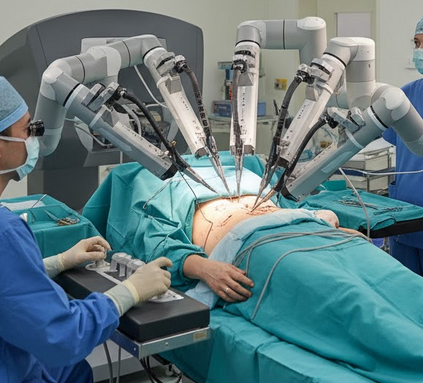
Robotic-Assisted Laparoscopic Myomectomy in Korea represents a breakthrough in minimally invasive gynecologic surgery, combining laparoscopic techniques with the precision and dexterity of robotic surgical systems. This advanced procedure allows for precise fibroid removal while minimizing trauma to surrounding uterine tissue, reducing recovery time, and preserving fertility. Korea is globally recognized as a leader in robotic-assisted surgery, offering world-class facilities and expert surgical teams.
Uterine fibroids — benign tumors that develop in the muscular wall of the uterus — are a common condition among women of reproductive age, often causing symptoms such as heavy menstrual bleeding, pelvic pain, infertility, and pressure on the bladder or bowel. Robotic-assisted laparoscopic myomectomy enables targeted excision of fibroids with greater precision than conventional laparoscopic surgery, making it an optimal choice for complex cases or patients with fertility concerns.
Top medical institutions in Korea, including Samsung Medical Center, Asan Medical Center, Severance Hospital, CHA Bundang Women’s Hospital, and Ewha Womans University Mokdong Hospital, offer robotic-assisted laparoscopic myomectomy using the latest surgical robots and imaging technologies.
Purpose & Benefits
The main goal of robotic-assisted laparoscopic myomectomy is to combine the benefits of minimally invasive surgery with the precision of robotic technology. This approach allows surgeons to perform complex procedures with enhanced accuracy and control, leading to improved outcomes.
Key benefits include:
- Enhanced Precision: Robotic systems provide high-definition, three-dimensional visualization and fine instrument control for meticulous fibroid removal.
- Minimally Invasive: Small incisions reduce pain, scarring, and infection risk.
- Fertility Preservation: Maintains uterine integrity for future pregnancies.
- Reduced Blood Loss: Advanced robotic tools enhance precision and control, minimizing intraoperative bleeding.
- Faster Recovery: Most patients resume normal activities within one to two weeks.
- Short Hospital Stay: Typically, patients are discharged within 24–48 hours.
- Better Access to Complex Cases: Robotic assistance allows for removal of fibroids in difficult-to-reach locations.
These benefits make robotic-assisted laparoscopic myomectomy an increasingly popular option in Korea for women seeking advanced fibroid treatment.
Ideal Candidates
Robotic-assisted laparoscopic myomectomy is suitable for women with symptomatic fibroids who want a highly precise, minimally invasive solution that preserves fertility. Ideal candidates include:
- Women with heavy menstrual bleeding, pelvic discomfort, or infertility due to fibroids.
- Patients with large or multiple fibroids requiring precise excision.
- Women seeking fertility-preserving surgery.
- Individuals with fibroids located in areas that are challenging to access via conventional laparoscopic surgery.
- Patients seeking the benefits of advanced robotic surgical technology.
Korean specialists perform comprehensive preoperative evaluations, including ultrasound and MRI, to develop a personalized surgical plan for optimal results.
Possible Risks & Complications
While robotic-assisted laparoscopic myomectomy is highly safe and effective, there are potential risks:
- Bleeding: Rare but possible; transfusion may be needed in exceptional cases.
- Infection: Low risk due to sterile surgical conditions.
- Adhesion Formation: Reduced by minimally invasive and robotic techniques but still possible.
- Injury to Surrounding Organs: Rare, minimized by advanced robotic control and visualization.
- Fibroid Recurrence: Fibroids may recur, requiring additional treatment.
Korean hospitals mitigate these risks through meticulous planning, robotic precision, and structured aftercare.
Techniques Used
Robotic-assisted laparoscopic myomectomy in Korea combines advanced surgical tools with sophisticated technology to ensure accuracy and safety:
- Robotic Surgical Systems: High-definition, three-dimensional visualization and fine instrument control.
- Laparoscopic Access: Small incisions for minimal invasiveness.
- Advanced Energy Devices: Minimize blood loss and protect surrounding tissue.
- Morcellation: Safe removal of larger fibroids through minimal incisions.
- Precision Suturing: Maintains uterine integrity for optimal fertility preservation.
- Preoperative Imaging: MRI and ultrasound mapping guide precise surgical planning.
- Enhanced Recovery Protocols: Include tailored pain management, early mobilization, and patient education.
This combination ensures superior surgical outcomes, reduced recovery time, and high patient satisfaction.
Recovery & Aftercare
Recovery after robotic-assisted laparoscopic myomectomy is generally faster and less painful compared to open surgery. Most patients return to normal daily activities within one to two weeks.
Aftercare typically includes:
- Postoperative follow-up to monitor healing and uterine health.
- Pain management tailored to the individual patient.
- Guidance on resuming physical activity.
- Fertility counseling for those planning future pregnancies.
- Periodic imaging to detect recurrence early.
Korean hospitals emphasize patient education and structured aftercare to ensure safe recovery and lasting results.
Results & Longevity
Robotic-assisted laparoscopic myomectomy provides excellent long-term outcomes, including relief from fibroid-related symptoms and preservation of reproductive capacity. Precision removal reduces recurrence risk and adhesion formation.
Studies in Korea have shown high patient satisfaction, quick recovery, and improved reproductive outcomes. Patients are advised to follow up with imaging and consultations to ensure ongoing uterine health.
Treatment Process in Korea
- Initial Consultation: Comprehensive assessment of symptoms, imaging results, and reproductive goals.
- Customized Surgical Planning: Tailored surgical strategy using advanced imaging.
- Surgical Procedure: Robotic-assisted laparoscopic removal of fibroids under general anesthesia.
- Recovery Protocol: Patient-specific aftercare for rapid healing.
- Follow-Up: Imaging and consultations to confirm recovery and monitor uterine health.
Korean hospitals ensure this process is efficient, patient-centered, and optimized for surgical excellence.
Cost Range
Costs for robotic-assisted laparoscopic myomectomy in Korea depend on hospital and procedure complexity:
- Standard Laparoscopic Myomectomy: ₩4,000,000 – ₩7,000,000 KRW ($3,000 – $5,200 USD)
- Robotic-Assisted Laparoscopic Myomectomy: ₩9,000,000 – ₩14,000,000 KRW ($6,800 – $10,500 USD)
- Comprehensive Robotic Myomectomy Package: ₩10,000,000 – ₩15,000,000 KRW ($7,500 – $11,300 USD)
These prices reflect Korea’s cutting-edge technology and surgical expertise.
Popular Clinics for Robotic-Assisted Laparoscopic Myomectomy in Korea
- Samsung Medical Center – Leaders in robotic-assisted gynecologic surgery.
- Asan Medical Center – Experts in advanced minimally invasive procedures.
- Severance Hospital – Known for fertility-preserving robotic myomectomy.
- CHA Bundang Women’s Hospital – Offers innovative robotic-assisted surgical programs.
- Ewha Womans University Mokdong Hospital – Combines robotic surgery with comprehensive aftercare.


