
Treatment Overview
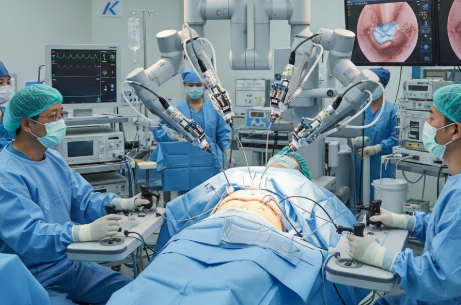
Robotic cystocele repair is an advanced surgical procedure designed to correct bladder prolapse, also known as anterior vaginal wall prolapse. In this condition, weakened pelvic floor tissues cause the bladder to descend into the vaginal canal, leading to urinary problems, pelvic pressure, and vaginal bulging. Robotic-assisted surgery utilizes a robotic system—commonly the Da Vinci system—allowing surgeons to operate with high precision, minimal invasiveness, and enhanced visualization of the pelvic anatomy.
Korea is a leading destination for robotic cystocele repair due to its state-of-the-art hospitals, experienced urogynecologists, and specialized medical tourism services. The country offers innovative surgical solutions, ensuring effective repair, minimal postoperative discomfort, and faster recovery compared to traditional methods.
Purpose & Benefits
The main purpose of robotic cystocele repair is to restore bladder support and reinforce weakened pelvic tissues while minimizing surgical trauma.
Key benefits include:
• Precise anatomical correction of bladder prolapse
• Reduced risk of complications due to robotic precision
• Smaller incisions and minimal scarring
• Faster recovery and shorter hospital stay
• Improvement in urinary function and reduction of incontinence
• Enhanced long-term durability of repair
Korean hospitals prioritize individualized surgical planning to optimize outcomes and patient satisfaction.
Ideal Candidates
Robotic cystocele repair is suitable for women experiencing symptomatic anterior vaginal wall prolapse. Ideal candidates include:
• Women with vaginal bulging or pelvic pressure
• Patients experiencing urinary incontinence, frequent UTIs, or incomplete bladder emptying
• Individuals who have not improved with conservative therapies, such as pessaries or pelvic floor exercises
• Postmenopausal women with weakened pelvic tissues
• Women who have completed childbearing
Korean specialists conduct comprehensive evaluations, including pelvic exams, imaging, and urodynamic testing, to determine suitability for robotic-assisted surgery.
Possible Risks & Complications
Although robotic cystocele repair is safe and minimally invasive, potential risks include:
• Bleeding or infection
• Urinary retention or bladder injury
• Scar tissue formation or painful intercourse
• Recurrence of prolapse
Korean hospitals minimize these risks through advanced robotic systems, meticulous surgical planning, and expert post-operative care. Continuous monitoring ensures prompt detection and management of any complications.
Techniques & Technology Used
Korea is recognized for its cutting-edge use of robotic technology in pelvic reconstructive surgery. Techniques and technology include:
• Robotic-assisted anterior colporrhaphy for precise tissue reconstruction
• High-definition 3D visualization of pelvic organs
• Site-specific defect repair targeting weakened connective tissues
• Mesh-free repair options to reduce foreign body complications
• Micro-suturing instruments controlled via robotic arms for accurate placement
The robotic system allows surgeons to perform highly controlled movements, improving accuracy, reducing trauma, and enhancing long-term outcomes.
Treatment Process in Korea
Patients traveling to Korea for robotic cystocele repair generally follow a structured medical pathway:
- Initial Consultation: Pelvic examination, imaging studies, and urodynamic tests.
- Customized Surgical Planning: Surgeon designs a personalized approach based on prolapse severity.
- Preoperative Preparation: Laboratory tests, anesthesia consultation, and lifestyle instructions.
- Surgery: Performed under general anesthesia, typically lasting 1–2 hours.
- Hospitalization: 1–2 days for monitoring, catheter management, and early mobilization.
- Follow-Up Care: Regular check-ups and pelvic floor rehabilitation guidance.
Medical tourism coordinators provide language support, transportation, and accommodation arrangements for international patients.
Recovery & After-Care
Recovery following robotic cystocele repair is generally faster than conventional surgery. Key recommendations include:
• Avoid heavy lifting, straining, and sexual activity for 6–8 weeks
• Maintain hygiene and follow prescribed medications
• Gradual resumption of daily activities and gentle walking
• Attend follow-up appointments for monitoring and pelvic floor rehabilitation
Korean hospitals provide personalized recovery programs to ensure optimal healing, minimal complications, and long-term durability.
Results & Longevity
Robotic cystocele repair in Korea delivers highly reliable, long-lasting outcomes. Patients often experience:
• Relief from vaginal bulging and pelvic pressure
• Improved bladder function and reduced urinary incontinence
• Faster recovery and minimal postoperative discomfort
• Enhanced sexual and daily activity comfort
With robotic precision and advanced surgical techniques, recurrence rates are low, and patient satisfaction is high.
Why Korea Is a Top Destination
Korea is globally recognized for robotic cystocele repair because of:
• Experienced urogynecologists specialized in robotic pelvic surgery
• State-of-the-art robotic surgical systems (Da Vinci)
• Internationally accredited hospitals with high safety standards
• Transparent pricing and cost-effective treatment packages for international patients
• Comprehensive medical tourism support including coordinators, translation, and accommodation
These factors make Korea an ideal choice for patients seeking minimally invasive, safe, and effective prolapse repair.
Cost Range
Robotic cystocele repair in Korea typically costs between USD 6,000 and USD 12,000, depending on:
• Hospital and surgeon expertise
• Use of robotic-assisted vs. traditional laparoscopic techniques
• Preoperative diagnostics and imaging
• Length of hospitalization
Most packages include consultation, surgery, anesthesia, hospitalization, medications, and follow-up care.
Popular Clinics in Korea
• Seoul National University Hospital – Urogynecology Center
• Asan Medical Center – Pelvic Floor Reconstruction Department
• Samsung Medical Center – Urogynecology Division
• Yonsei Severance Hospital – Pelvic Organ Prolapse Clinic
• Ewha Womans University Medical Center – Women’s Pelvic Health Center
• CHA Gangnam Medical Center – Minimally Invasive Gynecologic Surgery Center


