
Treatment Overview
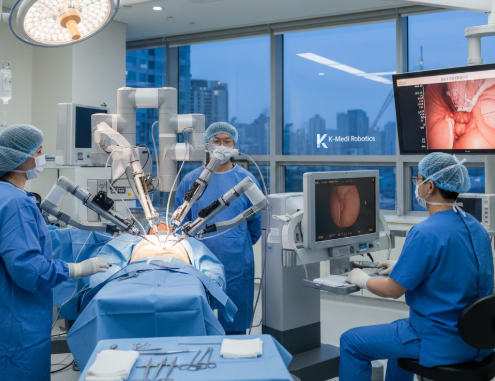
Robotic Prostatectomy is an advanced minimally invasive surgical procedure for the treatment of prostate conditions, primarily localized prostate cancer. Using state-of-the-art robotic surgical systems, surgeons can perform precise removal of the prostate while minimizing damage to surrounding tissues. In Korea, robotic prostatectomy is offered at top urology centers, providing patients with improved surgical outcomes, reduced blood loss, and faster recovery compared to traditional open prostatectomy.
Purpose & Benefits
The primary purpose of robotic prostatectomy is to remove cancerous prostate tissue while preserving urinary continence and sexual function whenever possible. Benefits include:
- High precision surgery with magnified 3D visualization
- Minimally invasive approach with small incisions
- Reduced blood loss and lower risk of complications
- Shorter hospital stay and faster recovery
- Improved preservation of erectile function and urinary continence
- High success rates in cancer control
Ideal Candidates
Ideal candidates for robotic prostatectomy include:
- Men diagnosed with localized prostate cancer
- Patients seeking minimally invasive alternatives to open surgery
- Individuals concerned about postoperative recovery time and complications
- Men with good overall health to tolerate anesthesia and surgery
- Patients aiming for optimal cancer control with functional preservation
Possible Risks & Complications
Although robotic prostatectomy is safe, potential risks include:
- Temporary urinary incontinence or urgency
- Erectile dysfunction, which may be temporary or permanent
- Bleeding or hematoma formation
- Infection at incision sites or internally
- Rare injury to surrounding organs such as the bladder or rectum
- Blood clots, anesthesia-related complications
Techniques & Technology Used
Korean urology centers use cutting-edge robotic surgical systems, including the da Vinci Surgical System, to perform robotic prostatectomy. The technique involves:
- Small keyhole incisions for insertion of robotic instruments and camera
- Surgeons controlling robotic arms from a console with high precision
- Removal of the prostate with careful dissection of nerves and blood vessels
- Reconstruction of urinary tract to preserve function
Treatment Process in Korea
The robotic prostatectomy process typically includes:
- Initial Consultation: Review of prostate cancer diagnosis, imaging, and medical history
- Preoperative Testing: Blood tests, imaging (MRI, CT), and anesthesia assessment
- Procedure Preparation: General anesthesia administration
- Robotic Prostatectomy: Precise removal of prostate using robotic instruments
- Postoperative Care: Short hospital stay (typically 2–4 days), catheter management, pain control, and monitoring for complications
Recovery & After-Care
Recovery after robotic prostatectomy in Korea is generally faster than open surgery:
- Catheter typically remains in place for 1–2 weeks
- Patients can resume light activities within a few days
- Urinary continence usually improves over weeks to months
- Pelvic floor exercises are recommended to improve continence
- Follow-up visits and PSA monitoring ensure cancer control
Results & Longevity
Robotic prostatectomy provides durable and effective outcomes for prostate cancer:
- High rates of complete cancer removal
- Long-term preservation of urinary continence in many patients
- Good rates of erectile function recovery, especially with nerve-sparing techniques
- Reduced complication rates compared to open surgery
- Many patients achieve excellent quality of life post-procedure
Why Korea Is a Top Destination
Korea is a leading destination for robotic prostatectomy due to:
- Advanced robotic surgical centers with highly skilled urologists
- State-of-the-art equipment and surgical technology
- Comprehensive care for international patients, including travel, accommodation, and translation services
- Affordable treatment costs compared to Western countries
- High standards of safety, hygiene, and patient care
Cost Range
The cost of robotic prostatectomy in Korea typically ranges from $12,000 to $25,000, depending on:
- Hospital reputation and surgeon experience
- Length of hospital stay
- Inclusion of preoperative testing, anesthesia, and post-operative care
Popular Clinics in Korea
Some of the top clinics offering robotic prostatectomy in Korea include:
- Seoul National University Hospital, Seoul
- Samsung Medical Center, Seoul
- Asan Medical Center, Seoul
- Severance Hospital, Yonsei University, Seoul
- Bundang CHA Hospital, Seongnam


