
Treatment Overview
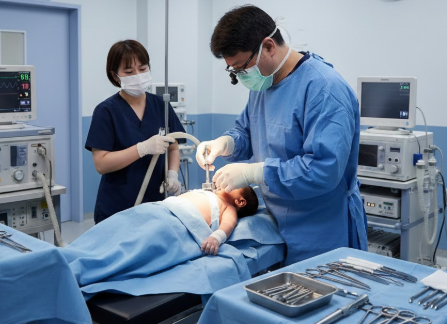
Routine circumcision in Korea is a common and safe surgical procedure that involves the removal of the foreskin. It is performed for medical, hygienic, or cultural reasons and is suitable for both children and adults. Korean hospitals and specialized urology clinics use modern techniques such as conventional circumcision, laser, electrocautery, or sleeve circumcision to ensure a safe, precise, and aesthetically pleasing procedure with minimal discomfort.
Purpose & Benefits
Routine circumcision provides multiple benefits:
- Medical Relief: Treats phimosis, balanitis, and recurrent infections.
- Hygienic Improvement: Simplifies penile hygiene and reduces infection risk.
- Preventive Care: Reduces the risk of certain urological conditions and infections.
- Cosmetic Results: Neat and uniform appearance of the penis.
- Functional Enhancement: Improves comfort during sexual activity and daily hygiene.
- Minimally Invasive Options: Advanced techniques reduce bleeding and postoperative pain.
Ideal Candidates
Routine circumcision is suitable for:
- Infants, children, and adults with tight foreskin (phimosis).
- Individuals with recurrent infections or inflammation of the foreskin or glans.
- Patients seeking improved hygiene, comfort, and cosmetic appearance.
- Adults and children undergoing circumcision for cultural or personal reasons.
Possible Risks & Complications
Although routine circumcision is generally safe, potential risks include:
- Mild bleeding at the surgical site.
- Infection, preventable with proper postoperative care.
- Temporary pain or swelling, manageable with medications.
- Rare scarring or cosmetic dissatisfaction.
- Delayed healing in patients with underlying conditions such as diabetes.
Techniques & Technology Used
Korean hospitals and clinics employ modern surgical techniques to optimize outcomes:
- Conventional circumcision: Standard foreskin removal with sutures.
- Laser circumcision: Minimally invasive, reduces bleeding, and promotes faster healing.
- Electrocautery circumcision: Cuts tissue and seals blood vessels simultaneously.
- Sleeve circumcision: Provides uniform and aesthetically pleasing results.
- Local or general anesthesia: Ensures patient comfort during the procedure.
- Sterile surgical environment: Minimizes infection risk and ensures safe healing.
Treatment Process in Korea
The routine circumcision procedure typically involves:
- Consultation & Assessment: Urologist evaluates foreskin condition, medical history, and suitability for surgery.
- Preoperative Preparation: Hygiene instructions, medication adjustments, and fasting if general anesthesia is used.
- Surgical Procedure: Duration ranges from 20–60 minutes depending on patient age and technique.
- Postoperative Monitoring: Short observation period at the clinic; most patients return home the same day.
- Follow-up Visits: Assess wound healing, monitor for complications, and evaluate cosmetic results.
Recovery & After-Care
Recovery after routine circumcision emphasizes proper wound care and gradual return to activities:
- Initial Healing: Mild swelling, redness, or discomfort for 3–7 days; pain manageable with oral medications.
- Hygiene: Keep the area clean and dry; follow doctor’s instructions carefully.
- Physical Activity: Light activity permitted immediately; avoid sexual activity for 4–6 weeks in adults.
- Follow-up Care: Regular checkups to ensure proper healing, prevent infection, and monitor cosmetic outcomes.
- Long-Term Care: Permanent removal of foreskin with improved hygiene, function, and cosmetic appearance.
Results & Longevity
Routine circumcision provides safe, effective, and lasting results:
- Symptom Relief: Eliminates phimosis, infections, and discomfort.
- Functional Improvement: Easier hygiene and enhanced comfort during daily activities.
- Cosmetic Results: Neat, uniform surgical site with minimal scarring.
- Durability: Permanent solution with lifelong benefits.
Why Korea Is a Top Destination
Korea is a preferred destination for routine circumcision due to:
- Experienced Surgeons: Urologists skilled in adult and pediatric circumcision procedures.
- Advanced Clinics: Equipped with laser, electrocautery, and modern surgical tools.
- High Safety Standards: Sterile surgical environment and meticulous surgical care.
- Cost-Effective Treatment: High-quality procedures with competitive pricing for international patients.
- Medical Tourism Support: English-speaking coordinators, travel assistance, and personalized care for patients from abroad.
Cost Range
The cost of routine circumcision in Korea typically ranges from $500 to $2,500, depending on patient age, technique, clinic, anesthesia, and follow-up care.
Popular Clinics in Korea
Top hospitals and clinics offering routine circumcision for international patients include:
- Samsung Medical Center, Seoul – Advanced urology services and modern surgical techniques.
- Asan Medical Center, Seoul – Expertise in pediatric and adult circumcision procedures.
- Severance Hospital, Seoul – Modern facilities and postoperative care.
- Seoul St. Mary’s Hospital – Comprehensive patient care and follow-up services.
- CHA Bundang Medical Center – Renowned for international patient services and skilled surgical teams.


