
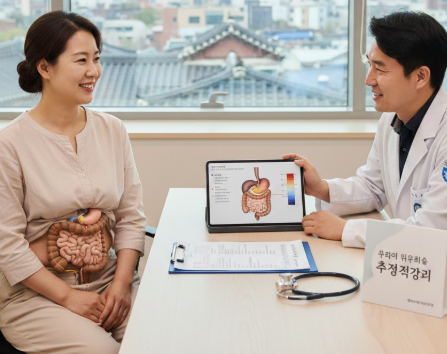
Treatment Overview
The Roux‑en‑Y Post‑Op Follow‑Up in Korea is an essential part of the bariatric surgery journey, designed to monitor recovery, manage complications, and ensure sustained weight loss and metabolic improvement after Roux‑en‑Y Gastric Bypass (RYGB). Korean hospitals provide structured, multidisciplinary post-operative programs with regular check-ups, nutritional guidance, and remote monitoring options for international patients to maintain long-term health and surgical success.
Purpose & Benefits
The post-op follow-up aims to:
- Monitor recovery and detect early post-surgery complications.
- Track weight loss, blood sugar, and metabolic parameters.
- Provide ongoing dietary, nutritional, and lifestyle guidance.
- Ensure proper supplementation to prevent deficiencies.
- Support patients in achieving sustainable weight loss and long-term health improvements.
Ideal Candidates
Post-op follow-up is crucial for:
- All patients who have undergone Roux‑en‑Y Gastric Bypass surgery.
- Individuals with type 2 diabetes, hypertension, or other metabolic disorders.
- Patients at risk of nutritional deficiencies or post-surgical complications.
- International patients seeking structured remote or in-person follow-up care.
Possible Risks & Complications
While follow-up itself is safe, it addresses potential post-surgical issues:
- Nutritional deficiencies (vitamins B12, D, calcium, iron) requiring supplementation.
- Gastrointestinal issues such as dumping syndrome, nausea, or diarrhea.
- Weight regain or inadequate weight loss.
- Surgical complications like strictures, ulcers, or small bowel obstruction, if undetected.
Early detection and intervention during follow-up visits minimize long-term risks and improve outcomes.
Techniques & Technology Used
Korean hospitals use advanced tools to optimize post-op care:
- Regular Blood Tests: Monitor glucose, electrolytes, liver, and kidney function.
- Imaging & Endoscopy: Assess gastrointestinal healing and detect potential complications.
- Digital Health Monitoring: Track weight, blood sugar, and dietary compliance remotely.
- Multidisciplinary Support: Surgeons, dietitians, endocrinologists, and psychologists collaborate for ongoing care.
- Telemedicine Services: Offer virtual follow-ups for international patients.
Treatment Process in Korea
- Immediate Post-Op Follow-Up: Daily monitoring during hospital stay (typically 2–4 days).
- Early Post-Discharge Visits: 1–2 weeks post-surgery to check incision healing, vitals, and hydration.
- Short-Term Follow-Ups: At 1 month, 3 months, and 6 months to monitor weight loss, lab results, and dietary adherence.
- Long-Term Follow-Ups: Every 6–12 months to evaluate weight maintenance, metabolic improvements, and nutritional status.
- Lifestyle & Dietary Counseling: Continuous guidance on diet, supplementation, exercise, and behavior modification.
Recovery & After-Care
- Diet Progression: Transition from liquid to soft foods, then solid foods under dietitian supervision.
- Supplementation: Lifelong vitamins and minerals to prevent deficiencies.
- Physical Activity: Gradual increase in exercise to support weight loss and muscle retention.
- Behavioral Support: Psychological counseling for sustainable lifestyle changes.
- Remote Monitoring: Digital tools for patients returning to their home country.
Results & Longevity
- Enhanced weight loss and long-term maintenance.
- Improved control or remission of type 2 diabetes, hypertension, and dyslipidemia.
- Prevention of nutritional deficiencies and post-surgical complications.
- High patient satisfaction due to structured care, personalized guidance, and continuous support.
Why Korea Is a Top Destination
- Expert bariatric surgeons and dietitians provide comprehensive post-op care.
- Advanced hospitals with telemedicine and remote monitoring for international patients.
- Structured follow-up programs integrated with surgical care for optimal outcomes.
- Competitive pricing and high-quality patient services.
- English-speaking staff, concierge support, and personalized guidance for medical tourists.
Cost Range
- Post-Op Follow-Up alone: $300 – $1,000 USD per visit, depending on tests and consultations.
- Included in full Roux‑en‑Y surgical packages: $9,000 – $23,000 USD, covering pre-op, surgery, and post-op care.
Popular Clinics in Korea
- Seoul National University Hospital – Bariatric Post-Op & Follow-Up Center
- Asan Medical Center – Weight Loss & Post-Surgery Monitoring Department
- Samsung Medical Center – Bariatric Surgery & Post-Operative Care Unit
- JK Plastic Surgery & Bariatric Center – Roux‑en‑Y Post-Op Program
- Korea University Anam Hospital – Bariatric Surgery & Follow-Up Unit


