
Treatment Overview
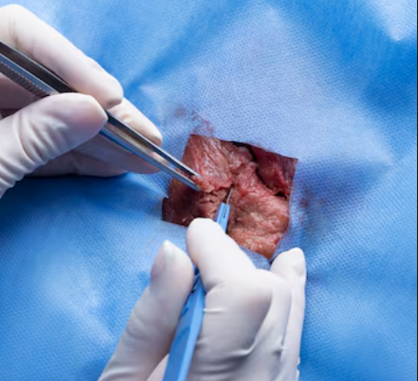
Sacrohysteropexy with Mesh Reinforcement is a highly specialized uterus-preserving surgical procedure performed to treat uterine prolapse, where the uterus descends due to weakened pelvic floor ligaments and connective tissues. This procedure involves lifting and securing the uterus to the sacral bone (lower spine) using a surgical mesh, which provides strong and long-lasting pelvic support while maintaining the natural position of the uterus.
In Korea, this surgery falls under Women’s Health / OBGYN – Surgical Gynecology and is performed using minimally invasive laparoscopic or robotic-assisted techniques. Korean hospitals are internationally acclaimed for their precision-based reconstructive methods, advanced mesh technology, and uterus-preserving expertise. They utilize biocompatible, medical-grade mesh materials, ensuring superior strength, safety, and long-term anatomical correction with excellent functional outcomes.
Purpose & Benefits
- Corrects uterine prolapse while preserving the uterus (no hysterectomy required).
- Provides strong, durable pelvic support using mesh reinforcement.
- Restores normal pelvic organ alignment and function.
- Relieves symptoms such as vaginal bulging, pelvic pressure, urinary incontinence, or constipation.
- Minimally invasive – smaller incisions, less bleeding, faster recovery.
- Improves sexual function, bladder control, and overall pelvic comfort.
- Maintains fertility and hormonal balance, ideal for women of reproductive age.
- Offers long-term results with very low recurrence rates.
Ideal Candidates
- Women diagnosed with uterine prolapse who wish to preserve their uterus.
- Patients with advanced or recurrent pelvic organ prolapse requiring strong support.
- Women experiencing vaginal bulging, pelvic pressure, or bladder dysfunction.
- Patients preferring a durable mesh-reinforced repair for longevity.
- Women of reproductive or postmenopausal age seeking functional and aesthetic pelvic reconstruction.
- Those desiring minimally invasive surgery with a short recovery period.
Possible Risks & Complications
Sacrohysteropexy with Mesh Reinforcement is considered very safe when performed in Korea’s specialized OBGYN centers. However, as with any surgery, some mild and temporary side effects may occur:
- Mild abdominal or pelvic discomfort.
- Light vaginal spotting or discharge.
- Temporary urinary retention or constipation.
- Rare mesh-related irritation or erosion (minimized using advanced Korean mesh technology).
- Infection or inflammation (preventable with antibiotics).
- Minimal recurrence risk when proper aftercare is maintained.
Korean surgeons use biocompatible, lightweight, and non-reactive mesh materials, alongside 3D imaging and robotic precision, to minimize complications and ensure optimal safety and success.
Surgical Techniques Used
Korean OBGYN specialists perform Sacrohysteropexy with Mesh Reinforcement using advanced, customized techniques to achieve strong and natural pelvic support:
- Laparoscopic Sacrohysteropexy (Standard): The uterus is lifted and attached to the sacral bone using medical-grade mesh and sutures through small laparoscopic incisions.
- Robotic-Assisted Sacrohysteropexy (Da Vinci System): Provides exceptional 3D visualization and robotic precision for complex reconstructions.
- Partial Mesh Reinforcement: Mesh is placed only on specific weakened ligaments for targeted support.
- Hybrid Mesh-Free Combination: Combines mesh reinforcement with natural tissue repair for added safety and balance.
- High Uterosacral Suspension with Mesh Integration: Enhances natural ligament strength while providing durable mesh reinforcement.
- AI-Guided Pelvic Floor Mapping: Used to identify optimal fixation points for mesh placement.
Korean hospitals are known for using next-generation lightweight mesh, advanced laparoscopic instruments, and AI-assisted surgical navigation, ensuring high precision and long-term anatomical stability.
Recovery & Aftercare
- Hospital stay: 1–2 days; some cases may qualify for same-day discharge.
- Recovery time: Resume light activities in 1–2 weeks, full recovery in 4–6 weeks.
- Mild bloating or light spotting may occur temporarily.
- Avoid sexual intercourse, heavy exercise, and tampon use for 4–6 weeks.
- Walking and gentle activity encouraged to aid circulation and healing.
- Follow-up visits: Scheduled at 2 and 6 weeks after surgery.
- Pelvic floor physiotherapy (Kegel exercises) recommended to maintain long-term support.
Results & Longevity
- Immediate improvement in uterine position and pelvic stability.
- Restores natural pelvic organ alignment and relieves prolapse symptoms.
- Enhanced sexual comfort and quality of life.
- Invisible scars and minimal postoperative pain due to the laparoscopic approach.
- Long-term success rates of over 95% in Korean hospitals.
- Durable results lasting 10–15 years or longer with mesh reinforcement and proper care.
Treatment Process in Korea
South Korea is globally renowned for its excellence in uterus-preserving, minimally invasive reconstructive gynecologic surgery, providing advanced technology, safety, and holistic care.
Most advanced and popular surgical techniques performed in Korea:
- Laparoscopic and robotic sacrohysteropexy (mesh or biologic graft).
- Hybrid laparoscopic-vaginal reconstruction for complex pelvic support.
- Mesh-free or partially reinforced approaches tailored to each patient.
- Laser-assisted collagen regeneration for tissue reinforcement.
- AI-guided pelvic mapping for surgical precision and individualized repair.
Unique Korean methods or technology:
- Pain-free anesthesia and enhanced recovery protocols.
- Uterus-preserving and fertility-protective surgical focus.
- Use of lightweight, high-grade biocompatible mesh for maximum safety.
- Aesthetic-functional hybrid reconstruction blending internal repair with natural appearance.
- One-day minimally invasive surgery systems with digital postoperative follow-ups.
Why Korea is a top destination for this surgery:
- Globally certified OBGYN reconstructive surgeons with international training.
- Hospitals equipped with Da Vinci robotic systems and 4K/3D laparoscopic platforms.
- Focus on mesh safety, long-term durability, and natural outcomes.
- Transparent pricing and world-class healthcare standards.
- Excellent medical tourism infrastructure with multilingual patient care and support.
Cost Range
The cost of Sacrohysteropexy with Mesh Reinforcement in Korea depends on hospital type, mesh material, and surgical complexity:
- Typical Range: USD 5,000 – 9,000
- Standard Laparoscopic Sacrohysteropexy: USD 4,500 – 7,000
- Robotic-Assisted Mesh Sacrohysteropexy: USD 6,500 – 9,500
- Hybrid Mesh + Native Tissue Reconstruction: USD 5,000 – 8,000
- Comprehensive Surgical Package (Anesthesia, Hospital Stay, Follow-Up): USD 5,000 – 8,500
Korean hospitals provide all-inclusive packages covering consultation, preoperative imaging, anesthesia, surgery, hospitalization, and follow-up. International patients can also access medical tourism bundles, including interpreters, private transfers, and postoperative care.
Popular Clinics with Advanced Sacrohysteropexy with Mesh Reinforcement in Korea
- Seoul Miz Hospital – Renowned for minimally invasive and mesh-reinforced pelvic reconstruction.
- MizMedi Hospital (Seoul) – Specializes in robotic and hybrid laparoscopic sacrohysteropexy.
- Yoonho OB/GYN Hospital (Gangnam) – Expert in aesthetic-functional uterine preservation and reconstructive surgery.
- Gangnam Women’s Hospital – Focuses on mesh-free and hybrid mesh pelvic repair.
- Asan Medical Center (Seoul) – Korea’s leading tertiary hospital for robotic gynecologic surgery.
- Samsung Medical Center (Seoul) – Global innovator in minimally invasive, mesh-integrated pelvic reconstruction.
- Kyung Hee University Hospital at Gangdong – Academic center specializing in advanced uterus-preserving reconstructive procedures.


