
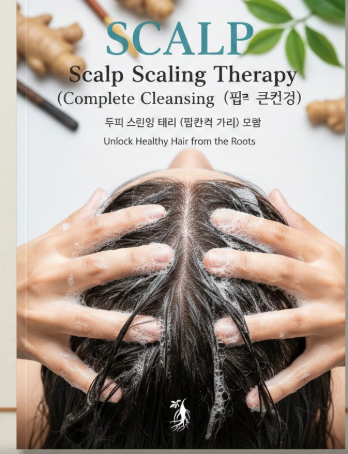
Treatment Overview
Scalp Scaling Therapy, also known as Deep Cleansing Therapy, is a professional hair and scalp treatment offered in Korea that removes dead skin cells, sebum buildup, dandruff, and environmental pollutants from the scalp. The procedure helps maintain a healthy scalp environment, which is crucial for hair growth, minimizing hair loss, and improving the effectiveness of other hair treatments.
Korean clinics combine scalp scaling with massage, nutrient infusions, and low-level laser therapy for enhanced results.
Purpose & Benefits
The main purposes and benefits of scalp scaling therapy include:
- Deep cleansing of the scalp to remove dead skin, oil, and debris
- Reduction of dandruff, itchiness, and scalp irritation
- Improved blood circulation to hair follicles
- Strengthened hair roots and prevention of follicle clogging
- Enhanced absorption of hair growth serums and topical treatments
- Promotes healthier and shinier hair by maintaining scalp hygiene
Patients often experience instant freshness and reduced scalp discomfort after treatment.
Ideal Candidates
Scalp scaling therapy is suitable for:
- Individuals with oily scalp, dandruff, or seborrheic dermatitis
- Patients experiencing hair thinning or hair loss due to clogged follicles
- People exposed to pollution, dust, or chemical residues on the scalp
- Post-hair transplant patients to maintain scalp health and graft survival
- Anyone seeking to improve scalp health and optimize hair growth treatments
Proper evaluation ensures the therapy is tailored to scalp type and sensitivity.
Possible Risks & Complications
Scalp scaling therapy is safe and minimally invasive, but potential risks include:
- Mild scalp redness or tingling during or after the procedure
- Temporary dryness if over-treated or not followed by moisturizing care
- Rare allergic reactions to exfoliating solutions or serums
- Sensitivity in patients with eczema or psoriasis if improperly managed
Korean clinics carefully select exfoliation methods and serums to minimize risks.
Techniques & Technology Used
Korean clinics use advanced techniques to perform effective scalp scaling:
- Mechanical or Enzymatic Exfoliation: Removes dead skin cells and debris
- Deep Cleansing Serums: Contain peptides, vitamins, and botanical extracts
- Scalp Massage Devices: Improve blood circulation and follicle activation
- Low-Level Laser Therapy (LLLT): Enhances follicle health and absorption of nutrients
- Microneedling or Mesotherapy (Optional): Supports nutrient delivery to hair roots
- Digital Scalp Analysis: Evaluates scalp condition before and after treatment
These methods work together to provide a clean, healthy scalp that supports optimal hair growth.
Treatment Process in Korea
The typical scalp scaling therapy process includes:
- Initial Scalp Assessment: Analyze scalp type, oiliness, dandruff, and hair condition
- Deep Cleansing Procedure: Apply exfoliating serums or mechanical devices to remove buildup
- Massage and Stimulation: Improve blood flow and follicle activation
- Nutrient Infusion: Optional serums or PRP to nourish follicles
- Low-Level Laser Therapy: Stimulate follicle activity and promote scalp health
- Post-Treatment Care: Apply moisturizing or protective serums for scalp hydration
This structured process ensures maximum cleansing with minimal irritation.
Recovery & After-Care
Recovery is minimal, but proper aftercare enhances results:
- Avoid washing the scalp for 12–24 hours if instructed
- Use mild shampoos recommended by the clinic
- Avoid harsh chemicals, hair dyes, or excessive heat styling immediately after
- Maintain regular scalp hygiene and hydration
- Repeat treatments periodically (every 2–4 weeks) to maintain scalp health
Following aftercare ensures long-lasting scalp cleanliness and optimized hair growth.
Results & Longevity
Clinical outcomes in Korea show:
- Immediate: Clean, refreshed, and soothed scalp
- 2–4 weeks: Reduced dandruff, itchiness, and scalp oiliness
- 1–3 months: Improved hair follicle health and absorption of hair growth treatments
- Long-term: Sustained scalp hygiene, minimized hair loss, and stronger hair growth
Patients report improved hair texture and healthier scalp after regular scalp scaling sessions.
Why Korea Is a Top Destination
Korea is a top destination for scalp scaling therapy due to:
- Clinics specializing in advanced deep cleansing techniques
- Use of professional-grade serums and exfoliating devices
- Integration with multi-therapy hair treatments like PRP, laser, and mesotherapy
- Experienced dermatologists and trichologists
- High safety standards and structured follow-up care
- Packages for international patients including personalized treatment and aftercare guidance
Korean clinics provide effective, safe, and high-quality scalp care for medical tourists.
Cost Range
Costs for scalp scaling therapy in Korea vary depending on the clinic and combination therapies:
- Single scalp scaling session: USD 50–150
- Monthly program with additional hair treatments (PRP, Laser, Nutrients): USD 200–450
- 3-month program: USD 500–1,000
- 12-month maintenance program: USD 1,500–2,500
Regular scalp scaling as part of a combination program ensures optimal hair and scalp health.
Popular Clinics in Korea
Top clinics offering scalp scaling therapy include:
- Banobagi Dermatology – Seoul
- Mojelim Hair Clinic – Seoul
- Cheongdam Yonsei Dermatology
- Oracle Dermatology Network
- NIL Hair Medical Center
- Dr. For Hair Scalp Clinics
These clinics provide professional scalp assessment, deep cleansing therapy, and aftercare guidance for optimal results.


