
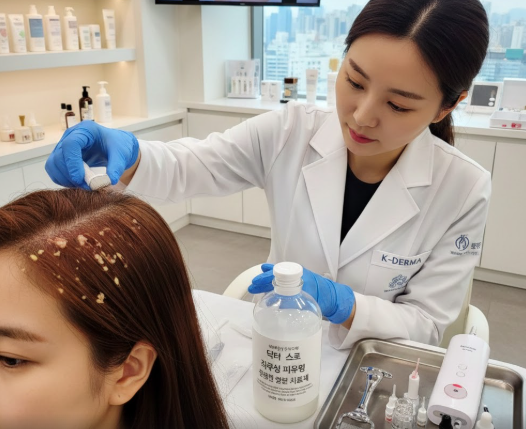
Severe seborrheic dermatitis is a chronic scalp condition that causes thick flakes, redness, persistent itching, and inflammation. Left untreated, it can lead to discomfort, infection risk, and temporary hair thinning. Korea is internationally recognized for its advanced dermatology and scalp care clinics, offering effective treatments tailored for severe cases.
This article provides a complete guide, including treatment overview, techniques, recovery, and a treatment review for medical tourists.
Treatment Overview
Severe seborrheic dermatitis requires a combination of professional scalp therapies, prescription medications, and long-term maintenance. In Korea, dermatologists treat the underlying causes—yeast overgrowth, sebum imbalance, and inflammation—while also restoring scalp health. Treatments include:
- Scalp scaling (deep cleansing)
- Prescription antifungal shampoos and topical lotions
- Low-Level Laser Therapy (LLLT)
- LED and high-frequency therapy
- Scalp barrier repair programs
- Intensive in-clinic and home-care routines
Korean clinics focus on both rapid symptom relief and long-term prevention of flare-ups.
Purpose & Benefits
The purpose of these treatments is to relieve symptoms, restore scalp health, and prevent recurrence.
Benefits include:
- Removal of thick, stubborn flakes
- Relief from persistent itching and redness
- Balanced sebum production
- Prevention of hair loss due to chronic inflammation
- Restored scalp barrier and microbiome
- Long-term reduction in flare-ups
- Non-invasive and safe for sensitive skin
Medical tourists often choose Korea for its effective combination of medical and aesthetic scalp care.
Ideal Candidates
Scalp treatments in Korea are ideal for:
- Patients with persistent, thick scalp flakes
- Severe redness and inflammation
- Chronic itching or burning sensation
- Hair thinning caused by inflammation
- Patients who have not responded to over-the-counter products
- Individuals seeking medically supervised care with advanced technology
Both local patients and international medical tourists benefit from Korea’s structured treatment approach.
Possible Risks & Complications
Korean scalp treatments are generally safe, but potential risks may include:
- Temporary redness or mild irritation
- Dryness after scalp scaling
- Allergic reaction to topical products (rare)
- Tingling during laser or LED therapy
- Flare-ups if home-care instructions are not followed
Dermatologists minimize these risks through scalp analysis, patch testing, and customized treatment plans.
Techniques & Technology Used
Korean clinics use state-of-the-art techniques to treat severe seborrheic dermatitis:
- Scalp Scaling (Deep Cleansing): Removes hard flakes, sebum, and yeast colonies
- Prescription Medications: Ketoconazole, ciclopirox, selenium sulfide, topical corticosteroids, and steroid-free creams
- Low-Level Laser Therapy (LLLT): Reduces inflammation, strengthens follicles, and improves circulation
- LED and High-Frequency Therapy: Controls yeast growth and soothes the scalp
- Barrier Repair Treatments: Ampoules, ceramide masks, cooling therapies, and microbiome-balancing serums
- Steam Therapy: Softens hard scales for better absorption of topical treatments
- Micro-dose Scalp Injections: For extreme flare-ups unresponsive to conventional therapy
These methods are often combined for maximum results.
Treatment Process in Korea
The treatment process is systematic and medically supervised:
- Comprehensive Scalp Diagnosis: High-resolution imaging, sebum and moisture measurement, yeast activity assessment, and follicle evaluation
- Customized Treatment Plan: Combination of scaling, medications, laser/LED therapy, and soothing treatments
- In-Clinic Treatments: Deep cleansing, antifungal applications, laser therapy, and barrier repair
- Home-Care Guidance: Medicated shampoos, serums, and scalp maintenance routine
- Follow-Up & Maintenance: Weekly or monthly visits to prevent flare-ups and monitor progress
This structured approach ensures rapid relief and long-term scalp health.
Recovery & After-Care
Recovery from Korean scalp treatments is quick and requires minimal downtime.
After-care recommendations include:
- Follow prescribed home-care routines
- Avoid harsh shampoos, chemicals, and excessive heat styling
- Maintain scalp moisture with approved products
- Do not scratch or pick flakes
- Regularly attend follow-up appointments
- Manage lifestyle factors like stress, sleep, and diet
Proper after-care is critical for lasting improvement.
Results & Longevity
Patients can expect noticeable improvements within 2–4 weeks:
- Reduced redness and itching
- Flakes and crusts removed
- Healthier hair follicles
- Balanced sebum production
- Stronger scalp barrier
- Fewer flare-ups over time
With consistent clinic and home care, results can last several months to years.
Treatment Review
Patients consistently report high satisfaction with Korea’s advanced scalp treatments:
- Effectiveness: Most experience visible improvement after 2–3 sessions
- Comfort: Non-invasive procedures are painless and suitable for sensitive skin
- Speed: Flakes and itching often improve rapidly
- Professionalism: Clinics offer highly skilled dermatologists and modern facilities
- Maintenance: Long-term guidance and home-care plans help prevent relapse
- Medical Tourist Experience: English-speaking staff, organized appointments, and clear post-treatment instructions enhance convenience
Overall, Korea is highly rated for both treatment quality and patient experience.
Why Korea Is a Top Destination
Korea stands out as a global hub for dermatology and scalp care due to:
- Advanced diagnostic and treatment technologies
- Highly trained dermatologists specializing in scalp disorders
- Affordable treatment costs compared to Western countries
- Comprehensive, evidence-based programs for severe cases
- Strong medical tourism infrastructure
- Combination of medical and aesthetic approaches for healthier hair
International patients consistently choose Korea for reliable, high-quality care.
Cost Range
Treatment costs vary depending on severity and clinic reputation:
- Scalp Diagnosis: $15–$50
- Scalp Scaling: $30–$100 per session
- Laser/LED Therapy: $40–$120 per session
- Barrier Repair Treatments: $50–$150
- Prescription Medications: $20–$60
- Full Treatment Program: $200–$600
These prices offer high-quality care at competitive rates.
Popular Clinics in Korea
Some of the most trusted clinics for severe seborrheic dermatitis include:
- Oracle Dermatology Clinic
- ID Dermatology Seoul
- HERS Dermatology Clinic
- Renewme Skin Clinic
- Cheongdam Scalp Clinic
- MediHair Korea
- WellSkin Dermatology
- Gowoonsesang Dermatology Clinic
These clinics combine advanced technology, experienced dermatologists, and personalized treatment plans.


