
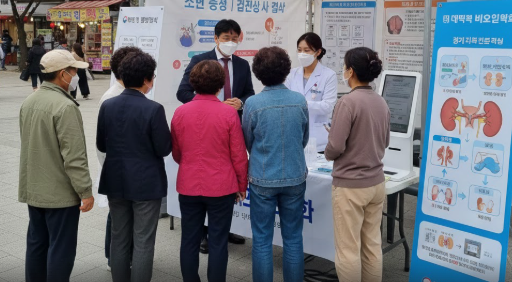
Treatment Overview
Screening for urinary symptoms in Korea involves a comprehensive evaluation of men experiencing lower urinary tract symptoms (LUTS), such as frequent urination, weak stream, urgency, or incomplete bladder emptying. This screening identifies underlying causes, including benign prostatic hyperplasia (BPH), prostatitis, or early-stage prostate cancer, to guide personalized treatment plans.
Korean hospitals provide advanced diagnostic tests, including PSA blood tests, digital rectal exams, ultrasound, and uroflowmetry, ensuring accurate assessment for international patients.
Purpose & Benefits
The purpose of screening for urinary symptoms is to:
- Identify the underlying cause of urinary complaints
- Detect early-stage prostate or bladder issues
- Guide effective treatment planning and management
Benefits include:
- Early detection of BPH or prostate cancer
- Minimally invasive diagnostics with blood tests and imaging
- Personalized care plan based on symptoms and test results
- Improved quality of life through timely intervention
- Integration with advanced urology techniques for targeted treatment
Ideal Candidates
Screening is recommended for men who:
- Experience frequent urination, urgency, weak stream, or incomplete emptying
- Have elevated PSA levels or family history of prostate disease
- Are over 45 years old or at higher risk for urinary conditions
- Require international-standard urological evaluation
- Want preventive assessment even with mild or intermittent symptoms
Korean urologists review patient history, clinical presentation, and risk factors to design an appropriate screening plan.
Possible Risks & Complications
Screening is generally safe, with minimal risk:
- Mild discomfort from blood draws
- Temporary discomfort during uroflowmetry or digital rectal exam
- Rare anxiety related to test results
- Minimal risk associated with imaging contrast agents
Techniques & Technology Used
Korean hospitals use advanced diagnostic tools for urinary symptom screening:
- Blood tests: PSA, Free PSA, PHI for prostate evaluation
- Digital Rectal Exam (DRE) for prostate assessment
- Transrectal or transabdominal ultrasound for prostate and bladder imaging
- Uroflowmetry and post-void residual measurement to assess bladder function
- Genetic risk assessment for patients with family history of prostate cancer
- Integration with mpMRI if cancer is suspected
These technologies ensure accurate diagnosis and treatment planning.
Treatment Process in Korea
- Initial Consultation – Review urinary symptoms, medical history, and family history
- Physical Examination & Blood Tests – DRE and PSA tests performed
- Imaging & Functional Assessment – Ultrasound and uroflowmetry
- Result Interpretation – Urologist evaluates findings to identify underlying causes
- Personalized Recommendations – Treatment options, lifestyle guidance, or follow-up monitoring
Medical tourism coordinators assist international patients with scheduling, translation, and follow-up care.
Recovery & After-Care
- Minimal recovery required for screening procedures
- Resume normal activities immediately
- Follow-up appointments based on findings and treatment plan
- Maintain records of test results for ongoing monitoring
Results & Interpretation
Screening provides:
- Identification of underlying causes of urinary symptoms
- Assessment for BPH, prostatitis, or prostate cancer
- Personalized recommendations for treatment, monitoring, or preventive care
- Guidance for lifestyle modification or medical therapy if needed
Accurate evaluation helps improve urinary function and overall quality of life.
Why Korea Is a Top Destination
- Experienced urologists specializing in prostate and urinary health
- State-of-the-art laboratories, imaging, and diagnostic technology
- Fast, accurate, and internationally-friendly services
- Integration with advanced diagnostics like PHI, mpMRI, and genetic testing
- English-language support and medical tourism coordination
- Affordable and high-quality care compared to Western countries
Cost Range
Typical costs for urinary symptom screening in Korea:
₩200,000 – ₩800,000 KRW (~$150–$600 USD)
Costs vary depending on:
- Number of tests included (PSA, PHI, ultrasound, uroflowmetry)
- Hospital or clinic grade
- Consultation and follow-up services
Popular Clinics in Korea
- Seoul National University Hospital – Urology & Urinary Screening
- Samsung Medical Center – Advanced Prostate & Urinary Diagnostics
- Asan Medical Center – Comprehensive Urology Screening
- Gangnam Severance Hospital – International Patient Urology Services
- Korea University Anam Hospital – Urinary Symptom Evaluation
- JK Urology & Men’s Health Clinics – Personalized Screening Programs


