
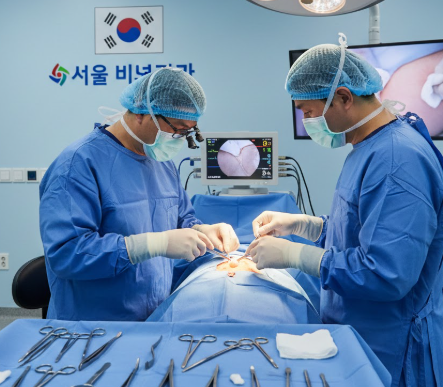
Treatment Overview
Scrotal cyst removal is a surgical treatment designed to safely eliminate cystic growths located within the scrotal sac. These cysts may form in the skin, epididymis, spermatic cord, or surrounding tissues, and they are usually benign. The most common types include epidermoid cysts, sebaceous cysts, pilar cysts, and epididymal cysts (spermatoceles). While many scrotal cysts are harmless, they can become painful, infected, or cosmetically concerning over time.
Korea is globally recognized for delivering precise, minimally invasive scrotal cyst removal supported by advanced diagnostics, skilled surgeons, and patient-centered care, making it a popular destination for international patients.
Purpose & Benefits
The primary purpose of scrotal cyst removal is to relieve discomfort, prevent cyst enlargement, eliminate potential infection, and restore normal scrotal appearance.
Benefits include:
• Quick relief from swelling, pressure, or pain
• Prevention of recurrent infections or ruptures
• Removal of cosmetically noticeable lumps
• Improved confidence and physical comfort
• Accurate diagnosis through tissue analysis
• Permanent removal with low recurrence rates
Korean hospitals use refined surgical techniques that ensure minimal scarring and fast recovery, offering significant advantages to medical tourists.
Ideal Candidates
Scrotal cyst removal is suitable for individuals who:
• Have a persistent or enlarging scrotal cyst
• Experience pain, discomfort, or tenderness
• Have cysts that frequently become inflamed or infected
• Notice changes in size, color, or sensation
• Prefer removal for cosmetic reasons
• Want an accurate diagnosis for peace of mind
• Are seeking high-quality care with short wait times
Men who desire safe, efficient, and discreet treatment abroad often choose Korea due to its modern facilities and internationally experienced specialists.
Possible Risks & Complications
Although scrotal cyst removal is generally a low-risk procedure, patients may occasionally experience:
• Mild bruising or swelling after surgery
• Temporary discomfort at the incision site
• Minor scarring
• Infection (rare in Korean hospitals)
• Fluid accumulation or hematoma
• Recurrence of cyst (very rare with microsurgery)
• Temporary numbness of surrounding skin
Thanks to high hygiene standards, advanced microsurgical techniques, and precision-based treatment protocols, Korean clinics maintain some of the lowest complication rates worldwide.
Techniques & Technology Used
Korean urology and andrology centers use multiple advanced methods depending on cyst type and location. These include:
• Microsurgical cyst excision for delicate or small cysts
• Minimally invasive scrotal surgery for quick recovery
• Epididymal cyst or spermatocele excision
• Laser-assisted cyst removal for skin-based cysts
• Ultrasound-guided dissection for accuracy
• Cosmetically focused techniques to minimize scars
Korean surgeons utilize high-resolution ultrasound, MRI, and digital imaging to map cyst location precisely, reducing risk to testicular and reproductive structures.
Treatment Process in Korea
The entire treatment process in Korea is streamlined for international patients, ensuring convenience and comfort from start to finish.
Initial Evaluation
A specialist examines the scrotum and reviews symptoms. Imaging tests such as ultrasound help confirm the type, size, and exact location of the cyst.
Consultation & Treatment Planning
The surgeon explains the diagnosis and discusses the best removal method based on medical and cosmetic factors.
Surgery
The procedure is performed under local or general anesthesia depending on cyst size. A small incision is made, and the cyst is carefully removed without damaging surrounding tissues.
The surgery typically lasts 20–45 minutes.
Post-Surgery Observation
Most patients rest briefly at the clinic before being discharged on the same day.
Follow-Up & Support
Korean hospitals offer multilingual assistance and online follow-up consultations, making aftercare easy for medical tourists.
Recovery & After-Care
Recovery after scrotal cyst removal is generally quick and straightforward.
Patients are advised to:
• Keep the incision area clean and dry
• Wear supportive underwear to reduce swelling
• Use cold compresses for the first 24–48 hours
• Avoid strenuous activities and heavy lifting for 1–2 weeks
• Avoid sexual activity until healing is complete
• Follow all medication and wound-care guidelines
Korean clinics provide clear after-care instructions, allowing international patients to travel comfortably within a few days after the procedure.
Results & Longevity
Results are typically long-lasting, with permanent removal of the cyst and minimal recurrence risk.
Patients notice:
• Smooth scrotal appearance
• Relief from discomfort or pressure
• Improved confidence
• No more cyst infections or ruptures
• Quick healing and small, barely visible scars
Pathology results also provide reassurance regarding the nature of the cyst, especially for patients concerned about malignancy.
Why Korea Is a Top Destination
Korea is one of the most trusted destinations for urological procedures due to:
• Highly experienced urologists and andrologists
• Cutting-edge imaging and diagnostic tools
• Minimally invasive and microsurgical expertise
• Extremely low infection and complication rates
• English-speaking international medical coordinators
• Efficient scheduling with minimal waiting time
• Affordable cost compared to Western countries
• Modern hospital environments designed for patient comfort
The seamless medical tourism infrastructure ensures a stress-free experience for overseas visitors.
Cost Range
The cost of scrotal cyst removal in Korea varies depending on cyst size, type, and surgical method.
Typical price ranges:
• Small skin cyst removal: $500 – $1,000
• Epididymal cyst removal: $1,200 – $2,500
• Spermatocele surgery: $1,500 – $3,000
• Complex or multiple cysts: $2,000 – $4,000+
Prices typically include consultation, imaging, surgery, pathology, and basic post-operative care. Medical tourism packages are also available for international patients.
Popular Clinics in Korea
• Seoul National University Hospital – Urology Department
• Asan Medical Center – Urology Division
• Samsung Medical Center – Men’s Health Clinic
• Severance Hospital (Yonsei University) – Urology Department
• Wooridul Urology Clinic
• Hana Urology Clinic (Seoul)
• Korea University Hospital – Andrology Center
These facilities are known for high patient satisfaction, expert surgeons, and excellent medical outcomes.


