
Treatment Overview
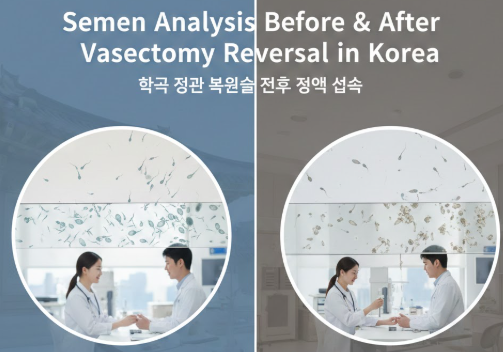
Semen analysis before and after vasectomy reversal in Korea is an essential diagnostic and monitoring tool for men seeking fertility restoration. This test evaluates the health, quality, and quantity of sperm, helping doctors determine whether a vasectomy reversal is feasible and how successful it has been post-surgery. Korean medical facilities offer advanced laboratory testing, precise evaluation, and comprehensive reporting, making them a preferred choice for international patients.
Before the reversal, semen analysis helps assess baseline fertility status, while post-surgery analysis tracks sperm return, motility, and overall reproductive progress.
Purpose & Benefits
The primary purpose of semen analysis in the context of vasectomy reversal is to provide a clear understanding of a patient’s fertility status and to guide treatment decisions. Key benefits include:
- Assessing sperm count, motility, and morphology before surgery.
- Monitoring post-surgical recovery and sperm return.
- Detecting potential complications or obstructions after reversal.
- Helping couples plan conception based on actual fertility status.
With accurate semen analysis, doctors can optimize follow-up care and provide patients with realistic expectations for fertility restoration.
Ideal Candidates
Ideal candidates for semen analysis before and after vasectomy reversal include:
- Men who have undergone vasectomy and are considering reversal surgery.
- Patients seeking to monitor fertility restoration after microsurgical procedures.
- Couples attempting natural conception and needing precise fertility tracking.
- Men with prior fertility issues or those who want detailed baseline assessment before surgery.
Even men with long-term vasectomies or previous unsuccessful reversals can benefit from semen testing to evaluate the best next steps.
Possible Risks & Complications
Semen analysis is a non-invasive test with minimal risk. However, potential considerations include:
- Slight discomfort or embarrassment during sample collection.
- Variations in results due to temporary illness, stress, or lifestyle factors.
- Misinterpretation if samples are not collected under proper guidelines.
Korean clinics follow strict protocols for sample collection, handling, and analysis to ensure accurate and reliable results.
Techniques & Technology Used
Korean laboratories use advanced techniques to provide precise semen analysis. These include:
- Sperm Count and Concentration: Measures the total number of sperm in the sample.
- Motility Assessment: Evaluates the percentage of moving sperm and their quality of movement.
- Morphology Analysis: Examines the shape and structure of sperm.
- Advanced Imaging and Computer-Assisted Analysis: Ensures accurate measurements and detailed reporting.
Some clinics also use specialized tests to assess DNA fragmentation and sperm vitality, offering deeper insights for fertility planning.
Treatment Process in Korea
The process of semen analysis before and after vasectomy reversal in Korea typically includes:
- Pre-Surgery Testing: Patients provide a semen sample at the clinic or hospital to evaluate baseline sperm health.
- Consultation: Results are reviewed with a urologist to determine surgical feasibility and expectations.
- Post-Surgery Monitoring: Semen samples are collected at intervals (usually 6–12 weeks, then 3–6 months post-surgery) to track sperm return and motility.
- Follow-Up Consultation: Doctors discuss results, address any concerns, and recommend next steps, including timing for conception.
Korean clinics offer patient-friendly services for international visitors, including English-speaking staff and guidance for proper sample collection.
Recovery & After-Care
While semen analysis itself does not require recovery, it is closely tied to post-surgery care. After a vasectomy reversal, patients are advised to:
- Follow rest and activity recommendations to support healing.
- Avoid sexual activity until cleared by the doctor.
- Attend scheduled semen analysis appointments for accurate monitoring.
- Maintain a healthy lifestyle to support sperm quality.
Korean clinics often combine semen analysis with comprehensive follow-up care, ensuring that patients can track their fertility progress effectively.
Results & Longevity
Semen analysis provides immediate and long-term insights into fertility restoration. Post-vasectomy reversal results generally show:
- Gradual return of sperm into the ejaculate, often within 1–3 months.
- Progressive improvement in sperm motility and morphology over 6–12 months.
- Identification of potential obstacles, such as blockages or low sperm quality, which may require additional interventions.
Regular monitoring helps couples plan conception and ensures that the reversal achieves its long-term goals of natural fertility restoration.
Why Korea Is a Top Destination
Korea has become a leading destination for semen analysis and vasectomy reversal due to:
- Highly skilled urologists and reproductive specialists.
- Cutting-edge laboratory technology for accurate fertility assessment.
- Comprehensive medical tourism support, including travel and language assistance.
- High standards of care with internationally recognized protocols.
- Competitive costs without compromising quality or accuracy.
Patients benefit from precise diagnostics combined with world-class surgical expertise, making Korea a preferred choice for men seeking fertility restoration.
Cost Range
The cost of semen analysis before and after vasectomy reversal in Korea varies depending on the clinic and complexity of testing:
- Basic semen analysis: $50–$150 per test
- Advanced testing (motility, morphology, DNA fragmentation): $200–$400 per test
- Bundled packages including consultation, pre- and post-surgery analysis: $500–$1,000
Korean clinics often offer affordable packages for international patients, including evaluation, surgery, and follow-up care.
Popular Clinics in Korea
Some of the top clinics for semen analysis and vasectomy reversal in Korea include:
- Seoul Urology & Microsurgery Clinic – Known for comprehensive fertility diagnostics and microsurgical expertise.
- JK International Medical Center – Offers full fertility packages for international patients.
- Samsung Medical Center Urology Department – Combines advanced technology with precision laboratory testing.
- Asan Medical Center – Provides complete pre- and post-reversal monitoring and care.
These clinics are widely recommended for their professionalism, accuracy in testing, and patient-centered services.


