
Treatment Overview
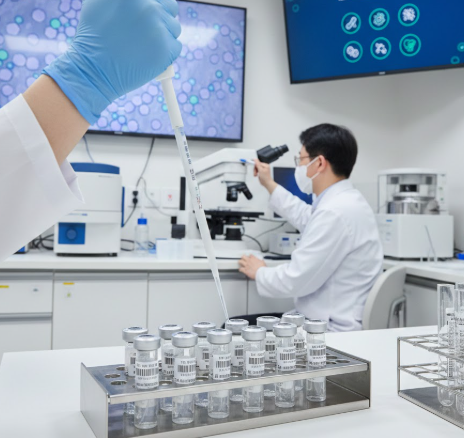
Semen infection screening is an essential diagnostic test used to detect bacterial, viral, fungal, or parasitic infections within the seminal fluid. These infections can significantly affect male fertility, sperm function, sexual health, and reproductive outcomes. In Korea, advanced andrology laboratories and urology centers offer highly accurate semen infection diagnostics using state-of-the-art microbiology tools, molecular testing, and specialized semen analysis systems.
Medical tourists choose Korea because of its precision testing, fast results, and evidence-based treatment protocols that help restore reproductive health quickly and safely.
Purpose & Benefits
Why Semen Infection Screening Is Important
The primary purpose of semen infection screening is to identify pathogens that may interfere with sperm production, sperm motility, ejaculation, or natural conception. Semen infections may be asymptomatic but can still significantly reduce fertility and increase the risk of complications in partners.
Key Benefits
- Early detection of infections affecting sperm quality
- Prevention of infertility caused by untreated seminal infections
- Guidance for effective antibiotic, antifungal, or antiviral treatment
- Reduction of inflammation in reproductive organs
- Improved chances of natural pregnancy or IVF success
- Prevention of transmission to sexual partners
- Tailored treatment plans based on specific pathogens detected
Ideal Candidates
Who Should Consider This Test?
Men may benefit from semen infection screening in Korea if they experience:
- Difficulty achieving pregnancy with a partner
- Symptoms of genital or urinary tract infections
- Painful ejaculation or blood in semen
- Low sperm count or poor motility
- Recurrent miscarriages in the partner
- Previous sexually transmitted infections
- Chronic prostatitis or epididymitis
- Unexplained infertility despite normal basic semen analysis
Men Preparing for Fertility Treatment
Patients undergoing:
- IVF
- ICSI
- IUI
are strongly recommended to complete semen infection screening to ensure the best fertility outcomes.
Possible Risks & Complications
Minimal Risks
Semen infection screening itself is non-invasive and involves no procedural risks. It only requires providing a semen sample.
Risks of Untreated Infections (Why Screening Matters)
- Worsening inflammation of the prostate or epididymis
- Persistent infertility
- Increased DNA fragmentation in sperm
- Erectile or ejaculatory dysfunction
- Potential transmission of pathogens to a partner
- Reduced IVF or ICSI success rates
Screening and early detection help avoid long-term complications and enable effective treatment.
Techniques & Technology Used
Advanced Laboratory Methods in Korea
Korean andrology and urology centers use highly specialized technology for detecting infections in semen, including:
Bacterial Culture & Sensitivity Testing
- Identifies types of bacteria such as E. coli, Staphylococcus, or Ureaplasma
- Determines the most effective antibiotics
PCR Molecular Testing
Used to detect:
- Chlamydia
- Mycoplasma
- Ureaplasma
- Viral pathogens
PCR is highly sensitive even for low-level infections.
Microscopy & Wet Mount Analysis
To inspect:
- White blood cells
- Sperm clumping
- Infection-related abnormalities
Urinalysis & Post-Ejaculate Tests
To evaluate co-existing urinary tract infections or prostate infections.
Seminal Leukocyte Count
High leukocytes indicate inflammation or infection.
Treatment Process in Korea
Step 1: Initial Consultation
Patients meet with a urologist or andrologist to discuss symptoms, medical history, and fertility concerns.
Step 2: Semen Sample Collection
- Sample provided through masturbation in a private collection room
- 2–5 days abstinence recommended for accurate results
Step 3: Laboratory Testing
Advanced analysis is performed using microbiology cultures, PCR, and microscopic evaluation.
Step 4: Review of Test Results
Results are typically available within:
- 24–48 hours for microscopy
- 3–5 days for cultures
- 1–2 days for PCR tests
Step 5: Personalized Treatment Plan
Based on results, physicians may prescribe:
- Antibiotics
- Antifungal medications
- Antiviral therapy
- Anti-inflammatory treatment
- Probiotics to restore microbiome balance
- Lifestyle corrections to improve fertility
Step 6: Follow-Up & Re-Testing
Usually done after 2–4 weeks to ensure the infection has cleared.
Recovery & After-Care
Typical Recovery
Most men feel normal immediately because the test is non-invasive.
After-Care Recommendations
- Complete the full course of prescribed medication
- Avoid unprotected sexual activity until infection resolves
- Avoid hot baths, smoking, and excessive alcohol
- Maintain good hygiene
- Increase hydration and follow anti-inflammatory diet recommendations
Monitoring Fertility
Many clinics recommend a repeat semen analysis after treatment to confirm improvements in:
- Motility
- Count
- Morphology
- DNA integrity
Results & Longevity
Accuracy & Impact on Fertility
Korea’s advanced diagnostics provide extremely accurate detection of infections, enabling effective treatment.
After successful treatment:
- Semen quality can improve within 1–3 months
- Natural pregnancy rates often increase
- IVF/ICSI success rates improve
Long-Term Benefits
Clearing infections early helps preserve:
- Prostate health
- Testicular function
- Overall reproductive health
Why Korea Is a Top Destination
Reasons Medical Tourists Choose Korea
- Highly specialized andrology laboratories
- Fast and precise testing methods
- World-class urologists and fertility specialists
- Affordable compared to Western fertility clinics
- Integration with IVF centers for comprehensive care
- English-speaking coordinators for international patients
Korean reproductive clinics are globally recognized for accuracy, safety, and excellent patient care.
Cost Range in Korea
Typical Pricing
Semen infection screening costs vary depending on the type of tests performed:
| Test Type | Approx. Cost (USD) |
|---|---|
| Standard semen infection screening | $50 – $80 |
| Bacterial culture & sensitivity | $60 – $120 |
| PCR testing (Mycoplasma, Ureaplasma, Chlamydia) | $80 – $150 per pathogen |
| Comprehensive infection panel | $150 – $300 |
Some fertility clinics offer bundled diagnostic packages for convenience.
Popular Clinics in Korea
Leading Clinics for Semen Infection Screening
- CHA Fertility Center
- Seoul Asan Medical Center – Department of Urology
- Samsung Medical Center – Andrology Unit
- Severance Hospital Male Fertility Clinic
- Heritage Fertility Center
- MizMedi Hospital
- Ajou University Hospital Andrology Center
These clinics are known for precision diagnostics, advanced reproductive technology, and excellent success rates.


