
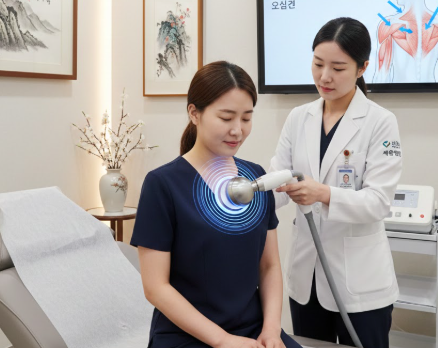
Treatment Overview
Shockwave Therapy for Frozen Shoulder, also known as adhesive capsulitis, is a non-invasive treatment that uses high- or low-intensity acoustic waves to reduce pain, improve shoulder mobility, and promote tissue healing. Frozen shoulder is characterized by stiffness, limited range of motion, and chronic discomfort caused by inflammation and thickening of the shoulder capsule.
In Korea, this therapy is offered in specialized orthopedic, sports medicine, and rehabilitation clinics as an effective alternative to surgery or long-term medication. Shockwave therapy stimulates blood flow, encourages collagen production, and reduces inflammation in affected tissues. Advanced radial and focused shockwave devices ensure precise and effective treatment, making it a preferred choice for both local and international patients.
Purpose & Benefits
The main purpose of shockwave therapy for frozen shoulder is to relieve chronic pain, restore joint mobility, and accelerate tissue repair. Acoustic waves induce controlled microtrauma, which promotes tissue remodeling, collagen regeneration, and increased circulation.
Key benefits include significant pain reduction, improved flexibility and range of motion, faster recovery compared to conventional therapies, reduced reliance on anti-inflammatory medications, and avoidance of surgical procedures. Patients often regain functional use of the shoulder for daily and occupational activities.
Ideal Candidates
Shockwave therapy is ideal for patients with frozen shoulder who experience limited mobility and chronic pain, particularly when conservative treatments such as physiotherapy, medication, or corticosteroid injections have not provided sufficient relief.
Suitable candidates include adults, athletes, and individuals seeking outpatient, non-invasive treatment with minimal disruption to daily routines. International patients benefit from short treatment sessions and efficient scheduling. A medical evaluation is conducted to confirm eligibility and develop a personalized treatment plan.
Possible Risks & Complications
Shockwave therapy for frozen shoulder is generally safe when performed by experienced specialists. Mild and temporary side effects may include redness, swelling, tenderness, or minor bruising at the treatment site.
Serious complications are rare. Temporary discomfort during or shortly after the session may occur, particularly with high-energy treatments. Patients with bleeding disorders, infections, or severe shoulder abnormalities may not be suitable candidates. Korean clinics perform thorough pre-treatment evaluations to ensure safety.
Techniques & Technology Used
Korean clinics use radial and focused shockwave devices depending on the severity and depth of the condition. Radial shockwaves are suitable for superficial tissue pain, while focused shockwaves target deeper tissues and fibrotic areas in the shoulder capsule.
Shockwave therapy is often combined with physiotherapy, stretching exercises, and rehabilitation programs to maximize recovery and prevent recurrence. Korea’s advanced technology ensures precise energy delivery and effective clinical outcomes.
Treatment Process in Korea
The treatment begins with a consultation, physical assessment, and review of medical history. Imaging such as ultrasound or MRI may be used to evaluate tissue inflammation, fibrosis, and joint condition.
During the session, a conductive gel is applied, and the shockwave device delivers acoustic waves to the affected shoulder. Each session typically lasts 20 to 30 minutes. Most patients undergo 3 to 6 sessions over several weeks. Korean clinics offer international patient support and flexible scheduling for outpatient treatment.
Recovery & After-Care
Shockwave therapy requires minimal downtime. Patients can resume daily activities immediately, although mild soreness or tenderness may persist for 24 to 48 hours.
After-care includes gentle stretching, physiotherapy exercises, and temporary avoidance of heavy lifting or repetitive overhead activities. Korean clinics provide structured after-care guidance and follow-up support, including remote consultations for international patients.
Results & Longevity
Patients often experience improvement after a few sessions, with gradual reduction in pain and increased shoulder mobility over subsequent weeks. Long-term outcomes include improved range of motion, reduced inflammation, and enhanced functional use of the shoulder.
Results may last several months to years depending on the severity of frozen shoulder, adherence to post-treatment care, and activity level. Periodic maintenance sessions may be recommended to sustain optimal results.
Why Korea Is a Top Destination
Korea is internationally recognized for excellence in orthopedics, sports medicine, and regenerative therapies. Shockwave therapy for frozen shoulder is performed by highly skilled specialists using advanced, internationally approved devices.
Medical tourists benefit from transparent pricing, short waiting times, multilingual support, and personalized care. Korea’s combination of advanced technology, safety, and high-quality outcomes makes it a preferred destination for shoulder treatments.
Cost Range
The cost of shockwave therapy for frozen shoulder in Korea varies depending on the number of sessions, condition severity, and clinic reputation. On average, prices range from USD 150 to USD 350 per session, with package deals often available for multiple sessions.
Korea provides high-quality care at competitive prices compared to many Western countries, ensuring excellent value for international patients.
Popular Clinics in Korea
Leading orthopedic, sports medicine, and rehabilitation clinics in Seoul, Gangnam, Busan, and Incheon provide shockwave therapy for frozen shoulder. These clinics offer English-speaking coordinators, international patient support, and personalized treatment plans to ensure a comfortable and effective medical tourism experience.


