
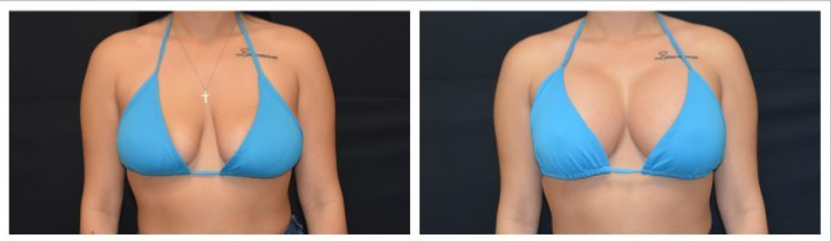
Choosing between silicone and saline breast implants is one of the most important decisions a patient makes when considering breast augmentation. In Korea, where cosmetic surgery is highly advanced and patient outcomes are carefully optimized, board-certified plastic surgeons take a comprehensive, personalized approach to help each patient decide.
Below are the main differences, along with insights from leading Korean surgeons on which type may be best suited for different patients.
1. Silicone Implants: Natural Feel and Aesthetics
Silicone implants are the most commonly used in Korea due to their realistic texture, shape retention, and lower rate of rippling.
✅ Pros:
- Softer and more natural to the touch (closely mimics real breast tissue)
- More stable shape, especially in anatomical or teardrop-style implants
- Less visible rippling or wrinkling, even in thinner patients
- Ideal for subfascial or dual-plane placement (popular techniques in Korea)
🔍 Korean Surgeon Insight:
👩⚕️ Dr. Park Ji-Hyun (Banobagi Plastic Surgery, Seoul):
“Most Korean patients choose cohesive silicone gel implants—also known as ‘gummy bear implants’—because they feel more natural and hold their shape even if cut. For women with small frames or thin skin, silicone provides a more seamless result.”
2. Saline Implants: Adjustable and Incision-Friendly
Saline implants are filled with sterile saltwater after being inserted, which allows for smaller incisions and more volume control during surgery.
✅ Pros:
- Require a smaller incision (implant is filled after insertion)
- Can be adjusted slightly during surgery to correct asymmetry
- If ruptured, the saline is safely absorbed by the body
⚠️ Considerations:
- May feel firmer or less natural than silicone
- More prone to visible rippling, especially in low-body-fat patients
- Generally not preferred in Korea unless requested for specific medical or budgetary reasons
🔍 Korean Surgeon Insight:
👨⚕️ Dr. Kim Soo-Min (ID Hospital, Gangnam):
“While saline implants are safe and cost-effective, they are rarely used in Korean clinics unless the patient specifically requests them. Silicone implants offer superior texture and long-term aesthetics, especially for petite Asian body types.”
3. Safety & Rupture Concerns
- Silicone rupture is usually “silent” (no immediate symptoms) and may only be detected via MRI or ultrasound.
- Saline rupture is immediately noticeable as the implant deflates.
- Modern cohesive gel implants used in Korea have a very low rupture rate and are designed to retain shape even if the shell breaks.
🏥 Korean Medical Perspective:
👨⚕️ Dr. Lee Hyun-Tae (JK Plastic Surgery, Busan):
“All implants used in Korea are KFDA and US FDA-approved. The latest silicone gels are highly cohesive, meaning they won’t leak into the body. Safety is no longer a significant difference between saline and silicone—surgeons focus more on long-term look and feel.”
4. Cultural & Aesthetic Preferences in Korea
In Korea, the focus of breast augmentation is usually on:
- Natural contour
- Proportionate volume increase
- Minimal scarring
Silicone implants are often placed using the inframammary fold (under-breast) or transaxillary (underarm) incision for less visible scarring. The dual-plane technique (half under the muscle, half under the breast gland) is favored to achieve a natural slope and better support.
5. Who Might Prefer Each Implant Type?
| Patient Profile | Recommended Implant Type | Why? |
|---|---|---|
| Thin or low body fat | Silicone | Less rippling, more natural |
| Seeking smallest incision | Saline | Can be filled after insertion |
| Concerned about cost | Saline (in some clinics) | Slightly cheaper in select clinics |
| Demanding natural movement and feel | Silicone | Superior texture and softness |
| Reconstructive breast surgery patient | Silicone (textured or anatomical) | Better shape control |
Final Word from Korean Surgeons:
“There is no one-size-fits-all choice. We evaluate skin thickness, chest width, lifestyle, and aesthetic goals to decide the best implant for you. Silicone is our default recommendation, but your safety and satisfaction come first.”
– Dr. Choi Eun-Seok (The Line Clinic, Seoul)
Summary:
| Feature | Silicone Implants | Saline Implants |
|---|---|---|
| Feel | More natural | Slightly firmer |
| Incision Size | Slightly larger | Smaller |
| Risk of Rippling | Lower | Higher (especially in thin patients) |
| Detection of Rupture | Requires imaging | Visibly deflates |
| Common Use in Korea | Yes (very common) | Rarely used |


