
Treatment Overview
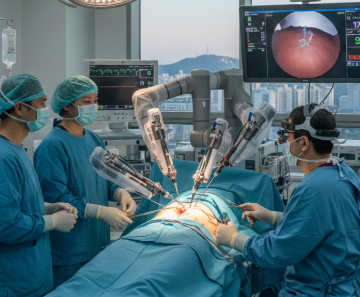
Single-port robotic kidney transplant is an advanced minimally invasive surgical procedure in which a donor kidney—either from a living or deceased donor—is transplanted into a recipient using a single-port robotic system. This innovative approach allows surgeons to perform precise vascular connections and kidney implantation through a single incision, reducing surgical trauma and improving cosmetic outcomes.
Korea is internationally recognized for its expertise in robotic urologic surgery and kidney transplantation, providing state-of-the-art single-port robotic systems and experienced transplant teams.
Purpose & Benefits
The primary purpose of single-port robotic kidney transplant is to restore kidney function in patients with end-stage renal disease while minimizing invasiveness for both donors and recipients.
Key benefits include:
• Single-port minimally invasive surgery for precise kidney implantation
• Reduced postoperative pain and faster recovery
• Shorter hospital stay and early mobilization
• Smaller incision for minimal scarring and better cosmetic outcomes
• Enhanced precision for vascular anastomosis reducing complications
• Improved graft function and early kidney performance
• Comprehensive perioperative care for donor and recipient
Korean hospitals integrate robotic precision with advanced preoperative planning to achieve optimal outcomes.
Ideal Candidates
Single-port robotic kidney transplant is suitable for patients with end-stage renal disease and healthy living donors.
Recipient candidates:
• Patients with chronic kidney failure or end-stage renal disease
• Individuals medically cleared for transplantation
• Patients seeking minimally invasive surgical options
Donor candidates:
• Healthy adults with normal kidney function
• Individuals with no significant medical conditions
• Donors seeking minimally invasive surgery with faster recovery and minimal scarring
Korean centers conduct extensive pre-transplant evaluations, including imaging, lab tests, immunological matching, and donor-recipient compatibility assessments.
Possible Risks & Complications
While generally safe, single-port robotic kidney transplant carries potential risks for both donors and recipients.
For the donor:
• Infection at the surgical site
• Bleeding during or after surgery
• Rare damage to surrounding organs or vessels
• Temporary discomfort or mild pain
• Rare reduction in kidney function
For the recipient:
• Graft rejection or delayed graft function
• Urinary or vascular complications
• Infection or bleeding
• Rare anesthesia-related complications
Korean hospitals minimize these risks through robotic precision, careful surgical planning, and close postoperative monitoring.
Techniques & Technology Used
Korea employs advanced technology and techniques for single-port robotic kidney transplantation:
• Robotic-assisted minimally invasive surgery with 3D high-definition visualization
• Single-port access for donor nephrectomy and recipient implantation
• Micro-incision approach to reduce tissue trauma and improve recovery
• Intraoperative imaging and Doppler for precise vascular connection
• Advanced suturing techniques to ensure optimal graft function
• Enhanced Recovery After Surgery (ERAS) protocols for both donor and recipient
These technologies allow precise kidney implantation, optimal graft performance, and faster recovery.
Treatment Process in Korea
The single-port robotic kidney transplant process in Korea is designed for safety, precision, and patient-centered care:
- Pre-Arrival Consultation
Donors and recipients provide medical history, lab results, and imaging studies. - In-Person Evaluation
Surgeons assess donor kidney anatomy, recipient condition, and overall suitability. - Surgical Planning
Personalized plans include robotic setup, vascular mapping, and post-transplant care strategies. - Surgery
Donor nephrectomy and recipient kidney transplantation are performed using single-port robotic minimally invasive techniques under general anesthesia. - Hospital Recovery
Donors and recipients usually stay 3–5 days for monitoring, pain management, and early mobilization. - Postoperative Care
Follow-up includes monitoring kidney function, wound healing, and immunosuppressive therapy for recipients. - Long-Term Follow-Up
Regular assessments for graft function, donor kidney health, and overall patient well-being.
Recovery & After-Care
Recovery for single-port robotic kidney transplant focuses on both donor and recipient:
Donor Recovery:
• Mild discomfort or swelling for several days
• Early ambulation within 24 hours
• Return to normal activities within 2–4 weeks
• Avoid heavy lifting or strenuous activity for 4–6 weeks
• Long-term monitoring of kidney function
Recipient Recovery:
• Close monitoring of graft function and immunosuppressive therapy
• Gradual return to daily activities
• Regular imaging and lab tests to assess kidney function
• Lifelong follow-up for transplant health
Korean hospitals provide structured after-care programs, patient education, and telemedicine support for international patients.
Results & Longevity
Single-port robotic kidney transplant provides excellent outcomes:
• Safe, minimally invasive surgery for donors with rapid recovery
• High graft success rates and early kidney function restoration for recipients
• Reduced postoperative complications compared to open surgery
• Minimal scarring and improved donor satisfaction
• Long-term graft survival and enhanced quality of life
Korea’s expertise in robotic surgery and transplant programs ensures reliable and durable results.
Why Korea Is a Top Destination
Korea is a leading destination for single-port robotic kidney transplant due to:
• Highly skilled robotic urologic surgeons specializing in single-port techniques
• Internationally accredited hospitals with advanced robotic systems
• Minimally invasive approach for faster recovery and minimal complications
• Comprehensive evaluation and care for both donor and recipient
• Efficient medical tourism services including interpreters, travel coordination, and accommodations
• Competitive costs compared to Western countries
• Excellent long-term follow-up programs for donors and recipients
These factors make Korea an ideal choice for international patients seeking advanced kidney transplant procedures.
Cost Range
The cost of single-port robotic kidney transplant in Korea typically ranges from USD 40,000 – 65,000, depending on:
• Hospital category (general vs. premium international center)
• Donor and recipient evaluation and testing
• Length of hospital stay and postoperative care
• Complexity of the procedure and single-port robotic setup
Many hospitals offer all-inclusive packages covering surgery, diagnostics, hospitalization, and follow-up care for international patients.
Popular Clinics in Korea
Top hospitals offering single-port robotic kidney transplant in Korea include:
• Samsung Medical Center
• Asan Medical Center
• Seoul National University Hospital (SNUH)
• Severance Hospital (Yonsei University Health System)
• Korea University Anam Hospital
• W Hospital Urology & Transplant Center
• Chung-Ang University Hospital
These institutions provide advanced robotic transplant surgery, expert surgeons, and comprehensive support for international patients.


