
Treatment Overview
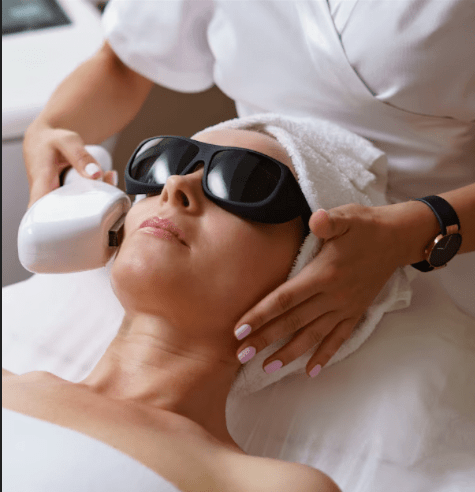
The Skin Rejuvenation Carbon Laser Facial in Korea is a non-invasive MedSpa treatment designed to revitalize dull, tired, or aging skin while improving texture, elasticity, and overall appearance. This facial combines a carbon-based lotion with Q-switched ND:YAG laser technology, which penetrates deep into pores to remove impurities, exfoliate dead skin cells, and stimulate collagen and elastin production.
Korean MedSpas have optimized this procedure to provide both immediate visible results and long-term rejuvenation, making it highly sought after by individuals seeking a refreshed, youthful, and radiant complexion without undergoing invasive treatments.
Purpose & Benefits
The primary purpose of this facial is to restore skin vitality, promote collagen synthesis, and improve overall skin health. Key benefits include:
- Stimulates collagen and elastin production for firmer, more resilient skin
- Reduces fine lines, wrinkles, and early signs of aging
- Deeply cleanses pores and removes dead skin cells
- Improves skin texture and elasticity
- Enhances hydration and overall skin radiance
- Non-invasive with minimal discomfort and downtime
- Supports long-term skin rejuvenation and healthy skin renewal
This facial is ideal for individuals looking to revitalize dull skin, smooth fine lines, and achieve a more youthful glow.
Ideal Candidates
The Skin Rejuvenation Carbon Laser Facial is suitable for:
- Adults with dull, tired, or aging skin
- Patients with early signs of fine lines, wrinkles, or sagging
- Individuals with uneven skin texture or enlarged pores
- People seeking non-invasive skin rejuvenation and long-lasting results
- Visitors to Korea looking for advanced MedSpa technology and expert dermatological care
Possible Risks & Complications
This treatment is generally safe when performed by trained professionals. Temporary side effects may include:
- Mild redness or warmth immediately after treatment
- Tingling or slight sensitivity for 12–24 hours
- Rare mild swelling in sensitive areas
- Temporary dryness or minor peeling, especially for sensitive skin
Korean MedSpas reduce risks through personalized laser settings, thorough skin assessments, and clear post-treatment care instructions.
Techniques Used in Korea
Korean MedSpas are renowned for their precision, technology, and innovative skincare approaches. Techniques used in the Skin Rejuvenation Carbon Laser Facial include:
- Carbon Lotion Application – Carbon particles penetrate pores to absorb impurities and dead skin
- Q-Switched ND:YAG Laser – Activates carbon particles, exfoliates skin, stimulates collagen, and promotes rejuvenation
- Collagen and Elastin Stimulation – Encourages fibroblast activity to improve skin elasticity and firmness
- Optional Add-ons – PRP, hyaluronic acid, or peptide serums can enhance hydration, regeneration, and skin repair
- LED Light Therapy – Reduces inflammation, soothes the skin, and promotes healing
- Cooling & Soothing Treatments – Minimize redness and discomfort post-treatment
This multi-modal approach ensures effective rejuvenation, improved skin texture, and enhanced radiance.
Treatment Process in Korea
A typical session includes:
- Consultation & Skin Analysis – Assessment of skin type, elasticity, and hydration levels
- Cleansing & Preparation – Deep cleansing to remove surface impurities and prepare skin for carbon application
- Carbon Lotion Application – A carbon layer applied to penetrate pores and absorb debris
- Laser Activation – Q-switched ND:YAG laser targets carbon particles, exfoliates skin, and stimulates collagen
- Hydration & Nutrient Infusion – Optional PRP, hyaluronic acid, or peptide serums applied to enhance regeneration and hydration
- Soothing & Protection – Cooling masks or LED therapy calm the skin, followed by moisturizer and broad-spectrum sunscreen
This structured multi-step process ensures optimal skin rejuvenation and long-lasting results.
Recovery & Aftercare
- Minimal downtime; patients can resume normal activities immediately
- Mild redness may persist for a few hours post-treatment
- Avoid direct sun exposure and apply sunscreen for 24–48 hours
- Use gentle skincare products and avoid harsh exfoliants
- Follow-up sessions help maintain long-term rejuvenation and healthy skin
Results & Longevity
- Immediate improvement in skin radiance, hydration, and smoothness
- Noticeable reduction in fine lines and improved skin elasticity after 1–2 sessions
- Optimal results usually achieved with 3–6 sessions, depending on skin condition
- Effects last 3–6 months, with longer-lasting benefits when combined with proper skincare
- Collagen and elastin stimulation promotes firmer, smoother, and rejuvenated skin over time
Cost Range in Korea
Pricing varies depending on clinic, technology, and optional add-ons:
- Basic Skin Rejuvenation Session (carbon + laser + LED): 150,000 – 300,000 KRW (≈ USD 115 – 230)
- Advanced Session (PRP, hyaluronic acid, or peptides): 400,000 – 900,000 KRW (≈ USD 300 – 690)
- Premium Multi-Session Packages (3–5 sessions): 1,000,000 – 1,500,000 KRW (≈ USD 770 – 1,150)
Korean MedSpas offer cutting-edge technology and expert care, making this facial highly effective and popular among both local and international clients.
Popular Clinics in Korea
- Banobagi MedSpa (Seoul) – Experts in skin rejuvenation and carbon laser facials
- Oracle MedSpa (Nationwide) – Tailored sessions for long-lasting skin enhancement
- ID Hospital Skin Center (Seoul) – Advanced collagen and elastin stimulation treatments
- Cinderella MedSpa (Gangnam, Seoul) – Multi-step rejuvenation and hydration facials
- Regen MedSpa (Seoul) – Popular for international patients seeking radiant and youthful skin


