
Treatment Overview
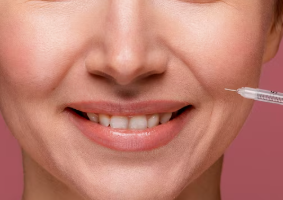
Smile Line Correction in Korea, also known as nasolabial folds, are the creases that run from the sides of the nose to the corners of the mouth. These lines often deepen with age due to loss of facial volume, reduced collagen, and skin laxity, giving the face a tired or aged appearance. In Korea, Hyaluronic Acid (HA) fillers are a preferred non-surgical solution to soften smile lines, restore youthful contours, and rejuvenate the lower face.
HA fillers are biocompatible, gel-like substances that are precisely injected into the smile lines to fill depressions, smooth wrinkles, and support sagging skin. This non-invasive treatment offers immediate results, minimal downtime, and natural-looking outcomes, making it a popular choice for patients seeking subtle facial rejuvenation. Korea is globally recognized for its advanced injectable techniques, precision, and artistry, making it a leading destination for smile line correction.
Purpose & Benefits
The primary goal of HA filler treatment for smile lines is to smooth deep creases, restore facial volume, and create a more youthful appearance.
Key benefits include:
- Softening or elimination of smile lines
- Restoration of lost lower-face volume
- Improved facial symmetry and balance
- Minimally invasive procedure with immediate visual improvement
- Natural-looking results without an overfilled or artificial appearance
- Stimulates collagen production for gradual and longer-lasting rejuvenation
Smile line correction enhances lower-face aesthetics, contributing to a refreshed, confident, and youthful look.
Ideal Candidates
Ideal candidates for smile line correction with HA fillers include:
- Adults with moderate to deep smile lines
- Individuals seeking non-surgical facial rejuvenation
- Patients desiring subtle, natural enhancement of facial contours
- Those in good overall health with realistic expectations
Patients with allergies to HA, active infections, or certain medical conditions should avoid treatment.
Possible Risks & Side Effects
HA filler injections are generally safe when performed by skilled dermatologists. Minor side effects may include:
- Redness, swelling, or tenderness at injection sites
- Mild bruising
- Temporary lumpiness or firmness
- Rare allergic reactions or vascular complications
Korean clinics minimize risks through advanced injection techniques, detailed facial mapping, and sterile procedures, ensuring safe and effective outcomes.
Techniques Used in Korea
Korean dermatologists are renowned for their precision and aesthetic artistry in facial rejuvenation. Techniques for smile line correction include:
- Linear threading and micro-bolus injections – strategically placed along smile lines to restore volume and smooth wrinkles
- Microcannula technique – reduces bruising, swelling, and discomfort while ensuring even filler distribution
- Customized facial mapping – evaluates facial symmetry, cheek volume, and lower-face contours for harmonious results
- Combination treatments – sometimes paired with skin boosters or Botox to enhance lifting, improve elasticity, and provide long-lasting rejuvenation
These methods ensure a natural, balanced, and refreshed lower-face appearance tailored to each patient.
Recovery & Aftercare
Recovery is minimal, allowing most patients to resume daily activities immediately. Recommended aftercare includes:
- Avoid rubbing, massaging, or applying pressure to treated areas for 24–48 hours
- Avoid strenuous exercise, alcohol, or heat exposure during the first 24 hours
- Apply gentle cold compresses to reduce swelling if necessary
- Attend follow-up visits for assessment or touch-ups if required
Mild swelling or redness usually resolves within a few days.
Results & Longevity
HA filler treatment for smile lines provides immediate visible improvement:
- Full results typically appear within 1–2 weeks
- Effects generally last 9–12 months, depending on filler type, patient metabolism, and lifestyle
- Maintenance treatments help sustain smooth, youthful lower-face contours
Treatment Process in Korea
- Consultation & assessment – Evaluate smile line depth, cheek projection, and lower-face balance
- Cleansing & numbing – Topical anesthetic applied for comfort
- Filler injection – HA filler precisely administered using syringe or microcannula
- Post-treatment care – Guidelines for swelling management and activity restrictions
- Follow-up – Optional touch-up after 2–4 weeks for optimal results
Korean clinics are renowned for their advanced techniques, precision, and natural-looking outcomes, making Korea a top destination for smile line correction.
Cost of Smile Line Correction with HA Fillers in Korea
Costs vary depending on clinic reputation and amount of filler used:
- Per syringe: 500,000 – 1,200,000 KRW (USD $375 – $900)
- Full treatment (1–2 syringes): 800,000 – 2,000,000 KRW (USD $600 – $1,500)
Top Clinics in Korea
- Banobagi Dermatology & Plastic Surgery – Specialists in lower-face rejuvenation
- Oracle Dermatology Clinic – Known for natural, precise results
- ID Dermatology – Experts in advanced filler techniques
- Cinderella Clinic – Renowned for subtle, harmonious facial enhancements
- REGEN Dermatology Clinic – Leaders in hyaluronic acid filler treatments


