
Treatment Overview
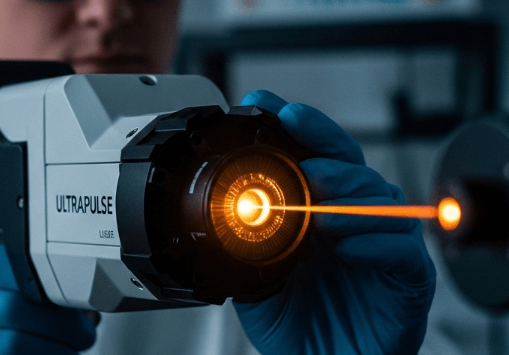
The Spectra Laser is an FDA- and KFDA-approved Q-Switched Nd:YAG laser system (1064 nm and 532 nm), designed for pigmentation, melasma, acne, and overall skin rejuvenation. Its dual-wavelength system allows dermatologists to target both superficial and deep pigmentation, making it a versatile treatment for melasma in Asian skin types.
In Korea, Spectra Laser Toning is a very popular choice for melasma control, as it delivers low-fluence, multiple-pass treatments that gradually break down melanin while minimizing heat injury. The Spectra Peel (Carbon Laser Peel) is another feature of this platform, often combined to refine pores and improve skin tone.
It belongs to the Pigmentation Treatment family (Spectra, Nd:YAG Toning, Dual Toning, Gold Toning, Pico Lasers, Fraxel, Clear + Brilliant, CO₂):
- Spectra (Nd:YAG platform): Best for melasma + PIH + acne-related pigmentation.
- Nd:YAG Toning: Best for standard dermal melasma.
- Dual Toning: Best for multi-layer melasma.
- Gold Toning: Best for vascular or inflamed melasma.
- Pico Lasers: Best for resistant melasma and scarring.
- Fraxel Dual: Best for melasma with texture and sun damage.
- Clear + Brilliant: Best for mild or preventive melasma.
- CO₂ Fractional: Best for melasma with scarring/texture (caution required).
Purpose & Benefits
- Melasma Lightening: Gradually reduces epidermal and dermal melanin.
- Safe for Asian Skin: Minimizes risk of PIH with low-fluence settings.
- Dual-Wavelength: 1064 nm for deeper pigment, 532 nm for superficial pigment.
- Multi-Function: Treats melasma, PIH, acne, enlarged pores, and dull skin.
- Skin Rejuvenation: Improves clarity, brightness, and overall skin tone.
- Non-Invasive: Minimal downtime compared to ablative lasers.
Ideal Candidates
Spectra Laser in Korea is recommended for:
- Adults with melasma (epidermal, dermal, or mixed).
- Patients with PIH, sun damage, or dull skin.
- Individuals needing a safe, proven treatment for Asian skin prone to rebound pigmentation.
Treatment Comparison:
- Spectra: Best for melasma + acne/PIH + glow.
- Nd:YAG: Best for dermal melasma.
- Dual Toning: Best for complex/mixed melasma.
- Gold Toning: Best for vascular melasma.
- Pico Lasers: Best for resistant pigment and collagen stimulation.
- Fraxel Dual: Best for pigment + texture/sun damage.
- Clear + Brilliant: Best for mild melasma/maintenance.
Possible Risks & Complications
The Spectra Laser is safe, but as with all pigmentation treatments:
- Redness/Warmth: Temporary, fades in hours.
- Mild Dryness or Flaking: May occur as pigment sheds.
- Temporary Darkening: Pigment can darken before fading.
- Rare Risks: PIH if post-care is neglected.
Surgical Techniques Used
- 1064 nm (Q-Switched): Treats dermal melanin and deep melasma.
- 532 nm (Q-Switched): Treats superficial pigment like freckles or epidermal melasma.
- Spectra Peel (Carbon Peel): Optional mode for acne, oil, pores, and glow.
- Protocol: 5–10 sessions spaced 2–4 weeks apart; maintenance every 6–12 months.
Recovery & Aftercare
- Immediately: Mild redness or tingling.
- 1–2 Days: Skin feels fresher and slightly brighter.
- 2–4 Weeks: Progressive melasma lightening.
Aftercare Tips:
- Use SPF 50+ sunscreen daily.
- Hydrate and strengthen the skin barrier with creams/serums.
- Avoid harsh scrubs, acids, and retinoids for 3–5 days.
- Stay out of direct sunlight during the treatment cycle.
Results & Longevity
- After First Session: Brighter tone, fresher glow.
- Short-Term (3–5 Sessions): Visible fading of melasma patches.
- Medium-Term (5–10 Sessions): More even skin tone and reduced pigment recurrence.
- Long-Term: Results last 6–12 months with periodic maintenance.
Treatment Process in Korea
- Consultation & Skin Analysis – Determine melasma type and depth.
- Preparation – Cleansing, protective eyewear, optional numbing.
- Spectra Laser Session – Low-fluence passes with 1064/532 nm; optional carbon peel.
- Post-Care: Cooling mask, hydration boosters, antioxidant serums.
- Follow-Up: Multi-session plan for stable melasma improvement.
Why Korea is a Top Destination
- Korea has extensive experience with Spectra protocols for melasma in Asian skin.
- Clinics combine Spectra with Gold Toning, Pico, or skin boosters for synergy.
- More affordable than Western pigmentation treatment packages.
- Korean dermatologists specialize in gentle, multi-session protocols to avoid relapse.
- Seoul is globally renowned for melasma and pigmentation correction programs.
Cost Range (Estimated)
- Single Session (full face): USD 150 – 300
- 5–10 Session Package: USD 800 – 2,000
- Premium Package (Spectra + Boosters/Pico): USD 1,200 – 3,000
Additional Costs:
- Consultation: USD 20 – 50
- Add-ons (Exosomes, PN boosters, whitening infusions): USD 100 – 400
💡 The Spectra Laser is often nicknamed “the safe melasma toner” in Korea because of its proven track record in gradual melasma clearance with minimal rebound risk.
Popular Clinics
- Banobagi Dermatology (Seoul): Spectra Toning for melasma + brightening.
- Oracle Dermatology (Seoul): Spectra + Dual Toning for mixed pigmentation.
- Renewme Skin Clinic (Seoul): Spectra Peel + pigmentation protocols.
- View Plastic & Dermatology (Seoul): Spectra + Gold Toning for vascular melasma.
- Chaum Anti-Aging Center (Seoul): Premium melasma care with Spectra + boosters.


