
Treatment Overview
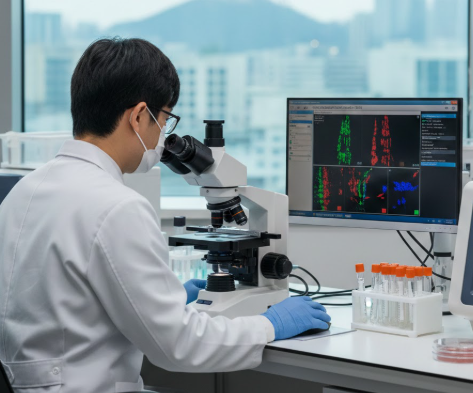
Sperm DNA fragmentation testing is a specialized diagnostic procedure that evaluates the integrity of sperm DNA. High levels of DNA fragmentation can impair fertilization, embryo development, and pregnancy outcomes. Clinics in Korea provide advanced testing to detect DNA damage and guide personalized fertility treatments, including assisted reproductive techniques (ART) such as IVF and ICSI.
Purpose & Benefits
The main purposes of sperm DNA fragmentation testing are:
- Assessing sperm genetic quality and DNA integrity
- Identifying male infertility causes not visible in standard semen analysis
- Guiding fertility treatment strategies, including ART
Benefits include:
- Early detection of sperm DNA damage impacting fertility
- Improved success rates for natural conception and assisted reproduction
- Tailored treatment plans such as lifestyle modifications, antioxidant therapy, or sperm selection techniques
- Provides insight into potential risks for miscarriage or poor embryo quality
Ideal Candidates
Sperm DNA fragmentation testing is recommended for:
- Men with unexplained infertility despite normal semen analysis
- Individuals with recurrent pregnancy loss in their partner
- Couples experiencing repeated IVF or ICSI failures
- Men with a history of oxidative stress, smoking, chemotherapy, or advanced age
- Patients undergoing comprehensive male fertility evaluation
Possible Risks & Complications
Sperm DNA fragmentation testing is safe and minimally invasive. Possible considerations include:
- Minor discomfort during semen collection
- Psychological stress while awaiting results
There are no significant physical risks associated with the test.
Techniques & Technology Used
Korean clinics use advanced laboratory techniques for DNA fragmentation testing:
- SCSA (Sperm Chromatin Structure Assay) – Quantifies DNA damage in sperm cells
- TUNEL assay (Terminal deoxynucleotidyl transferase dUTP nick end labeling) – Detects DNA strand breaks
- Comet assay – Measures DNA fragmentation at the single-cell level
- Integration with semen analysis and hormonal evaluation – Provides a complete assessment of male fertility
- High-precision laboratory imaging and analysis – Ensures accurate and reliable results
These methods allow precise detection of sperm DNA integrity issues affecting fertility.
Treatment Process in Korea
The typical process includes:
- Consultation: Review of medical history, reproductive goals, and prior fertility assessments
- Semen Sample Collection: Collected in a private clinic setting
- Laboratory Analysis: Assessment of DNA fragmentation using specialized assays
- Results Interpretation: Detailed report with fertility implications and recommendations
- Follow-Up: Counseling on treatment options such as antioxidants, lifestyle changes, or ART interventions
Recovery & After-Care
- No physical recovery is required
- Patients should follow specialist guidance for fertility optimization based on results
- Lifestyle adjustments, dietary recommendations, and antioxidant therapy may be advised
- Follow-up testing may be recommended to track improvements in DNA integrity
Results & Longevity
- Provides insight into sperm DNA quality and reproductive potential
- Supports personalized treatment planning to improve conception chances
- Helps anticipate risks of miscarriage or poor embryo development
- Results can guide long-term fertility management and assisted reproduction strategies
Why Korea Is a Top Destination
Korea is a leading destination for sperm DNA fragmentation testing due to:
- Advanced laboratories with high-precision genetic assays
- Experienced andrologists and reproductive specialists
- Integration with comprehensive fertility evaluation and treatment programs
- Confidential, patient-focused, and English-friendly services
- Competitive pricing and internationally accredited clinics
Cost Range
Sperm DNA fragmentation testing in Korea typically costs $200 to $600 USD, depending on the assay used and whether it is part of a full male fertility assessment package.
Popular Clinics in Korea
Top clinics for sperm DNA fragmentation testing include:
- Banobagi Medical Group – Comprehensive male fertility and DNA integrity testing
- Grand Seoul Hospital – Advanced sperm genetic and functional assessment
- JK Plastic Surgery & Medical Clinic – Integrated fertility and DNA fragmentation evaluation
- ID Hospital – International patient-friendly reproductive health and genetic services


