
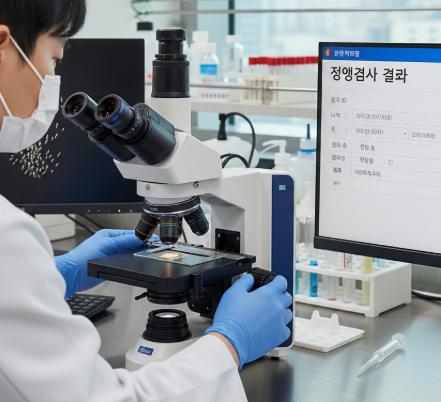
Treatment Overview
Sperm Motility Assessment is a critical diagnostic test used to evaluate the ability of sperm to move efficiently. Motility is one of the most important factors in male fertility because sperm must swim through the female reproductive tract to fertilize an egg.
This test measures the percentage of sperm that move progressively, non-progressively, or remain immotile. Poor motility, also known as asthenozoospermia, can significantly reduce the chances of natural conception.
In Korea, Sperm Motility Assessment is performed using advanced diagnostic technologies that provide highly accurate and detailed evaluations. Korean fertility clinics are globally recognized for delivering precise results within a short timeframe, making the country a leading destination for male fertility testing among international patients.
Purpose & Benefits
The main purpose of Sperm Motility Assessment is to determine whether sperm movement is adequate for successful fertilization. Key benefits include:
- Accurate identification of motility issues such as poor forward movement
- Early detection of male infertility factors
- Helps determine the appropriate fertility treatment such as IUI, IVF, or ICSI
- Guides lifestyle changes and medical interventions
- Evaluates the impact of health conditions, medications, or stress on semen quality
- Monitors improvement after treatment
Sperm motility plays a major role in reproductive success, and assessing it is essential for diagnosing fertility potential.
Ideal Candidates
Sperm Motility Assessment is recommended for:
- Couples trying to conceive for 6–12 months without success
- Men with previous abnormal semen analysis results
- Individuals preparing for IVF, IUI, or ICSI
- Men with erectile dysfunction, ejaculation issues, or hormonal problems
- Patients with a history of varicocele, testicular disorders, or urological surgery
- Individuals exposed to heat, radiation, chemicals, or smoking
- Men with chronic medical conditions such as diabetes or thyroid disorders
Any male aged 18 or older interested in evaluating fertility health can undergo the test.
Possible Risks & Complications
Sperm Motility Assessment is completely safe and non-invasive. The only step involved is providing a semen sample.
Potential minor issues include:
- Inaccurate results if the sample is not collected correctly
- Delayed processing, which can alter motility readings
- Anxiety or discomfort during sample collection
Korean clinics provide private rooms and clear instructions to ensure accuracy and patient comfort.
Techniques & Technology Used
Korean fertility clinics use cutting-edge diagnostic systems to evaluate sperm movement precisely. Common technologies include:
- Computer-Assisted Semen Analysis (CASA):
A high-tech system that measures speed, direction, and quality of sperm movement with extreme accuracy. - WHO Standard Motility Classification:
Categorizes sperm into:- Progressive motility (PR)
- Non-progressive motility (NP)
- Immotile sperm (IM)
- Digital Video Microscopy:
High-resolution cameras record sperm movement for detailed evaluation. - Morphokinetic Analysis:
Evaluates how sperm shape affects movement. - Vitality Testing (optional):
Identifies whether immotile sperm are dead or alive. - Hormonal & Genetic Testing (optional):
Helps identify underlying causes of poor motility such as hormonal imbalance or genetic factors.
Korea’s strict adherence to WHO and international fertility laboratory standards ensures trustworthy results.
Treatment Process in Korea
The sperm motility assessment process in Korea is efficient, private, and highly structured.
- Consultation With Specialist
A fertility specialist reviews medical history, sexual health, lifestyle patterns, and previous test results. - Pre-Test Instructions
Patients are instructed to maintain 2–7 days of sexual abstinence for accurate results. - Sample Collection
- Collected through masturbation in a private room within the clinic.
- Samples must be collected in a sterile container.
- Home collection is allowed in some clinics if delivered within 60 minutes.
- Laboratory Analysis
The semen sample is analyzed quickly to ensure accurate motility measurement. The lab evaluates:- Progressive motility
- Non-progressive motility
- Total motility
- Swimming speed (velocity)
- Sperm trajectory and pattern
- Concentration and morphology
- pH and viscosity
- Result Interpretation
According to WHO guidelines:- Progressive motility should be ≥32%
- Total motility should be ≥40%
- Treatment Recommendations
If motility is low, doctors may suggest:- Antioxidant supplements
- Hormone therapy
- Varicocele evaluation or surgery
- Lifestyle improvements
- Infection treatments
- Assisted reproductive options such as IVF or ICSI
Recovery & After-Care
Since this is a diagnostic test, no recovery period is required.
However, men with poor motility receive personalized after-care recommendations such as:
- Avoiding smoking, alcohol, and recreational drugs
- Reducing heat exposure (laptops on lap, saunas, hot baths)
- Improving diet with antioxidants, vitamins, and minerals
- Taking supplements like CoQ10, L-carnitine, zinc, vitamin E, and selenium
- Managing stress and improving sleep
- Exercising regularly
- Treating underlying infections or hormonal conditions
Follow-up testing is often recommended after 10–12 weeks because sperm production cycles last about 3 months.
Results & Longevity
Sperm motility results provide clear insights into fertility potential. Test outcomes may indicate:
- Normal motility
- Low motility (asthenozoospermia)
- Severely impaired motility
- No motility (complete asthenozoospermia)
Motility can fluctuate over time due to lifestyle, illness, heat exposure, or medical conditions.
Repeat assessments help confirm trends or improvements.
Why Korea Is a Top Destination
Korea has earned a reputation as one of the best countries for fertility diagnostics due to:
- Advanced fertility laboratories with precise CASA systems
- Highly trained urologists and embryologists
- Fast results—often within hours
- Affordable and transparent pricing
- State-of-the-art technology used in top IVF centers
- Comfortable, discreet, and patient-centered testing environment
- Strong reputation for high IVF and ICSI success rates
Korean clinics provide world-class diagnostics and exceptional care for international patients.
Cost Range
The cost of Sperm Motility Assessment in Korea is competitive and highly affordable. Typical costs include:
- Basic motility testing: USD 40–80
- CASA-based motility testing: USD 80–150
- Full semen analysis package: USD 100–200
- Additional hormone evaluation (optional): USD 30–80
These prices are significantly more economical than similar fertility tests in Western countries.
Popular Clinics in Korea
Several top fertility and urology clinics offer advanced sperm motility assessments, including:
- CHA Fertility Center
- Seoul National University Hospital Fertility Center
- iDream Fertility Clinic
- Barun Urology & Fertility Hospital
- Mirae Fertility Clinic
- HIM Urology Clinic
- Gynolife Fertility Center
These facilities are known for accurate diagnostics, exceptional patient care, and advanced reproductive technologies.


