
Treatment Overview
Spermatocele removal, also known as spermatocelectomy, is a surgical procedure performed to remove a spermatocele—a benign, fluid-filled cyst that develops in the epididymis, typically above or behind the testicle. Spermatoceles are common and usually painless, but larger ones can cause discomfort, swelling, and cosmetic concerns. In Korea, spermatocele removal is performed using advanced microsurgical techniques that ensure precision, preserve reproductive structures, and deliver excellent long-term outcomes.
Korea’s medical system is known for offering world-class care, fast diagnosis, and minimally invasive surgical options, making it a top destination for international patients seeking reliable urological treatment.
Purpose & Benefits
The main goal of spermatocele removal is to eliminate the cyst while protecting adjacent structures such as the spermatic cord and epididymal tubules.
Key benefits include:
• Relief from pain, heaviness, and pressure in the scrotum
• Removal of noticeable swelling or bulge
• Prevention of cyst growth or infection
• Preservation of fertility through microsurgical precision
• Improved appearance and confidence
• Accurate diagnosis through pathology examination
Korean hospitals specialize in tissue-preserving approaches, which significantly reduce risks and recovery time.
Ideal Candidates
You may be a good candidate for spermatocele removal if you:
• Experience persistent discomfort or pain from a spermatocele
• Have a cyst that continues to enlarge over time
• Notice a visible lump that affects confidence or daily activities
• Have recurring infections of the epididymis
• Are concerned about fertility or sperm blockage
• Want a permanent solution after failed conservative treatments
• Seek advanced care in a medical tourism-friendly country
Korea is especially well-suited for patients looking for safe, effective, and timely treatment with high standards of surgical care.
Possible Risks & Complications
Although spermatocele removal is considered safe, it involves some potential risks, especially because the epididymis is responsible for sperm transport.
Possible complications include:
• Temporary swelling or bruising
• Mild postoperative pain
• Small incision-site scar
• Infection (rare due to Korea’s strict standards)
• Hematoma or fluid buildup
• Recurrence of the spermatocele (uncommon)
• Damage to the epididymal ducts affecting fertility – minimized in Korea using microsurgical techniques
Korean surgeons use advanced magnification tools to protect the delicate epididymal tubules during surgery, significantly reducing risks.
Techniques & Technology Used
Korean urology clinics use state-of-the-art technologies and microsurgical equipment to ensure highly precise spermatocele removal. Common techniques include:
• Microsurgical spermatocelectomy
• Minimally invasive scrotal surgery
• Ultrasound-guided localization of the cyst
• Use of surgical microscopes for fine dissection
• Tissue-sparing techniques to protect reproductive structures
• Laser-assisted excision for selected cases
• Absorbable sutures to minimize scarring
Korean hospitals also use high-resolution scrotal ultrasound and advanced imaging systems for accurate diagnosis before surgery.
Treatment Process in Korea
Patients visiting Korea for spermatocele removal can expect a smooth and efficient treatment experience.
Consultation & Examination
A urologist performs a physical examination and reviews medical history. Most hospitals in Korea offer same-day imaging tests for fast diagnosis.
Diagnostic Imaging
Ultrasound confirms the size, position, and characteristics of the spermatocele.
Treatment Planning
The surgeon discusses anesthesia options, expected outcomes, risks, and recovery timeline. International patients receive translation and scheduling support.
Surgery
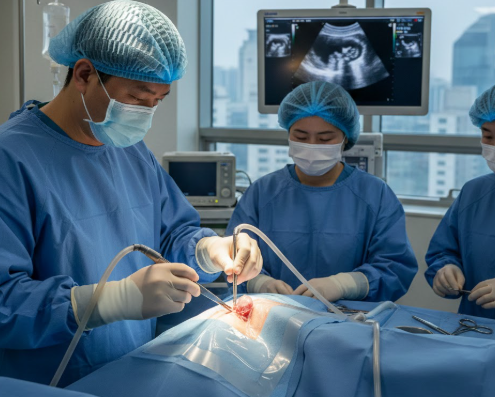
Spermatocelectomy is usually performed under local or general anesthesia. A small scrotal incision is made, and the cyst is carefully separated and removed while preserving the surrounding epididymal tissue.
The surgery typically takes 30–60 minutes.
Postoperative Monitoring
Patients are monitored for a short period and can usually return to their hotel the same day.
Follow-Up & Support
Korean clinics offer comprehensive follow-up instructions and online consultations for medical tourists returning home.
Recovery & After-Care
Recovery after spermatocele removal is generally quick. Patients can expect:
• Mild swelling or soreness for a few days
• Fast recovery with supportive underwear
• Ability to resume light activities within 1–3 days
• Returning to full physical activity within 2–3 weeks
To ensure a smooth healing process, patients should:
• Keep the incision clean and dry
• Avoid heavy lifting, exercise, and sexual activity for a short period
• Use cold compresses to reduce swelling
• Wear supportive or compression underwear
• Take prescribed medications if needed
Korean clinics provide clear after-care guidelines and are known for their excellent postoperative support.
Results & Longevity
Spermatocele removal provides long-lasting relief and cosmetic improvement. Most patients experience:
• Permanent disappearance of the lump
• Significant reduction in pain or heaviness
• Improved scrotal symmetry and appearance
• Minimal scarring due to fine surgical techniques
• Low recurrence rates
Pathology testing confirms the benign nature of the cyst and provides peace of mind for patients concerned about underlying conditions.
Why Korea Is a Top Destination
Korea stands out as a leading medical tourism destination for spermatocele surgery thanks to:
• Highly experienced urologists specializing in microsurgery
• Hospitals equipped with the latest surgical technology
• Efficient appointment scheduling and minimal waiting times
• English-speaking coordinators for international patients
• Exceptional safety standards and low infection rates
• Affordable pricing compared to Western countries
• Comprehensive postoperative support
International patients benefit from Korea’s organized medical tourism system, which includes translation services, transportation assistance, and coordinated care throughout the journey.
Cost Range
The cost of spermatocele removal in Korea depends on cyst size, surgical complexity, and hospital selection. Typical price ranges include:
• Simple spermatocele removal: $1,200 – $2,500
• Large or complex spermatocele removal: $2,000 – $4,000
• Multiple cyst removal: $3,000 – $5,000+
These costs typically cover consultation, ultrasound imaging, anesthesia, surgery, pathology, and follow-up care. Many clinics offer medical tourism packages for overseas patients.
Popular Clinics in Korea
• Seoul National University Hospital – Department of Urology
• Asan Medical Center – Urology Division
• Samsung Medical Center – Men’s Health Clinic
• Severance Hospital (Yonsei University) – Urology Department
• Wooridul Urology Clinic
• Hana Urology Clinic (Seoul)
• Korea University Hospital – Andrology Center
These clinics are known for exceptional surgical outcomes, advanced technology, and outstanding support for international patients.


