
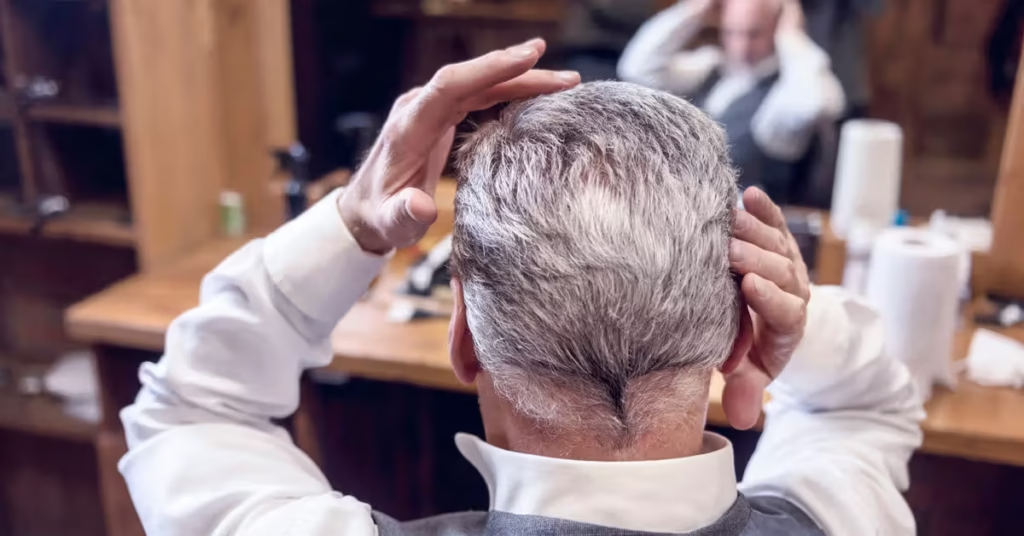
Hair loss is one of the most visible and emotionally challenging side effects experienced by cancer patients undergoing chemotherapy. While hair often regrows naturally after treatment ends, many survivors face thinning, patchy regrowth, or fragile hair that can impact confidence and quality of life.
In recent years, stem cell hair regrowth therapy has emerged as a promising and safe option for cancer survivors looking to rejuvenate their hair. Korean clinics specializing in regenerative medicine and oncology aftercare are leading the way in offering tailored stem cell treatments designed for this unique group.
🎗 Why Hair Loss Happens After Chemotherapy
Chemotherapy drugs target rapidly dividing cells — including hair follicle cells — which leads to:
- Hair follicle dormancy or miniaturization
- Temporary or prolonged hair thinning
- Changes in hair texture and strength after regrowth
While hair usually regrows within months, the process can be unpredictable and slow, with some survivors experiencing long-term scalp sensitivity or incomplete regrowth.
🧬 How Stem Cell Therapy Supports Post-Chemo Hair Regrowth
Regenerative Mechanisms Used in Korean Clinics:
- Adipose-Derived Stem Cells (ADSCs): Help repair damaged follicles and promote angiogenesis (new blood vessel growth).
- Stem Cell-Conditioned Media and Exosomes: Rich in growth factors that stimulate dormant hair follicles and reduce scalp inflammation.
- Microneedling-Assisted Delivery: Enhances absorption and activates natural healing responses without aggressive treatments.
Dr. Lee, a specialist at Seoul Oncology Regeneration Clinic, explains:
“Stem cell therapy is gentle yet effective for cancer survivors, as it promotes natural follicle repair without hormonal interference or systemic effects.”
✅ Safety Considerations for Cancer Survivors
Korean clinics emphasize the following safety protocols:
- No active cancer or ongoing chemotherapy: Treatment begins only after full oncologist clearance and remission confirmation.
- Non-hormonal: Stem cell treatments do not involve hormones, which is crucial for patients with hormone-sensitive cancers.
- Minimal invasiveness: Procedures are non-surgical, avoiding risks of infection or complications.
- Customized dosing: Stem cell concentration and session frequency are tailored to individual scalp condition and recovery status.
📆 Typical Treatment Timeline for Cancer Survivors
| Phase | What to Expect |
|---|---|
| Initial consultation | Thorough medical history review, oncology clearance, scalp assessment |
| First 1–3 sessions (4-6 weeks apart) | Gentle stem cell injections or topical application combined with microneedling |
| 3–6 months | Gradual improvement in hair density, texture, and scalp health |
| 6–12 months | Noticeable regrowth and stronger hair shafts, often requiring maintenance boosters |
🌟 Benefits Highlighted by Korean Clinics
| Benefit | Explanation |
|---|---|
| Stimulates dormant follicles | Reactivates follicles weakened by chemo drugs |
| Improves scalp environment | Reduces inflammation, increases blood flow, and boosts nutrient delivery |
| Enhances hair quality | Strengthens fragile regrowing hair, improving texture and shine |
| Supports psychological wellbeing | Helps restore confidence and normalcy after cancer treatment |
💡 Post-Treatment Recommendations for Survivors
- Avoid harsh hair products or chemical treatments for at least 4 weeks post-therapy
- Follow gentle scalp care routines as advised by Korean clinicians
- Maintain a nutrient-rich diet to support hair follicle regeneration
- Manage stress through mindfulness or rehabilitation programs
- Schedule regular follow-ups for booster stem cell treatments if recommended
🔬 Ongoing Research and Clinical Studies in Korea
Korean researchers are actively studying:
- The long-term efficacy of stem cell therapy in post-chemo alopecia
- Optimizing dosage and delivery methods for improved follicle regeneration
- Combining stem cells with other regenerative modalities like PRP and laser therapy
- Psychological impacts and quality of life improvements for survivors undergoing these treatments
🏁 Final Thoughts from Korean Experts
💬 “Stem cell hair regrowth offers cancer survivors a safe, scientifically supported pathway to reclaim hair health and confidence. Our protocols prioritize patient safety, holistic recovery, and natural results.”
— Dr. Kim, Director, Busan Regenerative Oncology Clinic
If you or a loved one is a cancer survivor struggling with hair loss, consider consulting with Korean clinics that specialize in post-chemotherapy regenerative hair treatments. Tailored stem cell therapy could be a meaningful step in your healing journey.


