
Treatment Overview
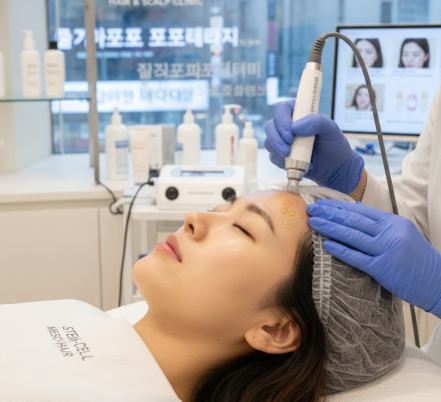
Stem-Cell Microneedling (Mesotherapy) for Scalp in Korea is a cutting-edge procedure combining stem-cell-derived growth factors with microneedling technology to stimulate hair growth and improve scalp health. Tiny microchannels are created in the scalp using precise microneedles, allowing the stem-cell solution to penetrate deeper into hair follicles. This minimally invasive treatment is widely used in Korea to combat hair thinning, hair loss, and scalp aging.
Purpose & Benefits
The main purpose of this procedure is to rejuvenate the scalp and reactivate dormant hair follicles. Key benefits include:
- Stimulates natural hair regrowth.
- Increases hair density and thickness.
- Improves blood circulation and nutrient delivery to follicles.
- Reduces hair shedding and strengthens existing hair.
- Promotes scalp health and tissue regeneration.
Ideal Candidates
Ideal candidates include:
- Individuals experiencing early to moderate hair loss or thinning.
- Patients with scalp damage or poor scalp circulation.
- People seeking non-surgical hair restoration methods.
- Individuals who want to enhance hair growth alongside other treatments.
- Those with realistic expectations regarding gradual improvements over several sessions.
Possible Risks & Complications
Although safe, potential risks include:
- Temporary redness, swelling, or mild discomfort at the treated area.
- Minor bruising due to microneedling penetration.
- Slight scalp tenderness or itching.
- Rare risk of infection if proper hygiene is not maintained.
- Results may vary based on individual response to stem-cell therapy.
Techniques & Technology Used
Korean clinics use advanced techniques for optimal results:
- Precision microneedling devices to create microchannels for better absorption.
- Clinical-grade stem-cell-derived solutions rich in growth factors.
- Combination with PRP (Platelet-Rich Plasma) or other regenerative therapies when necessary.
- Scalp analysis and mapping to ensure targeted treatment for maximum effectiveness.
- Strict adherence to sterilization and safety protocols.
Treatment Process in Korea
The typical process includes:
- Detailed consultation to assess scalp condition and hair loss severity.
- Preparation of the stem-cell solution under sterile clinical conditions.
- Microneedling of the scalp to create microchannels.
- Application of stem-cell solution to penetrate directly into hair follicles.
- Follow-up sessions scheduled every 2–4 weeks depending on the treatment plan.
Recovery & After-Care
Recovery is quick with minimal downtime. Patients are advised to:
- Avoid washing the scalp for at least 24 hours.
- Limit sun exposure, heat treatments, and harsh hair products for a few days.
- Follow recommended topical care routines to enhance results.
- Attend scheduled follow-ups for assessment and booster sessions.
Results & Longevity
Visible improvement in hair growth and scalp health can typically be seen within 4–8 weeks. Optimal results usually require 3–6 sessions, with benefits lasting 12 months or longer when maintained properly. Hair density improves gradually, and the scalp experiences long-term rejuvenation.
Why Korea Is a Top Destination
Korea is renowned globally for regenerative hair therapies due to:
- Highly skilled specialists in hair restoration and stem-cell therapies.
- State-of-the-art microneedling and mesotherapy devices.
- Safe, sterile clinics and strict medical regulations.
- Comprehensive medical tourism support, including multilingual services and concierge care.
- Competitive pricing for high-quality, advanced treatments compared to other countries.
Cost Range
The cost of Stem-Cell Microneedling (Mesotherapy) for Scalp in Korea ranges from $600 to $1,500 per session, depending on the clinic, scalp condition, and number of sessions. Packages for multiple treatments are often available.
Popular Clinics in Korea
Leading clinics providing this treatment include:
- JK Plastic Surgery & Hair Clinic – Renowned for advanced hair regenerative therapies.
- ID Hospital Regenerative Center – Expert in stem-cell and microneedling treatments.
- Medi-Aesthetic Korea Clinic – Specializes in scalp rejuvenation and hair restoration.
- Regen Clinic Seoul – Focused on personalized stem-cell-based hair therapies.
- View Plastic Surgery & Hair Clinic – Combines aesthetic and regenerative expertise.


